

No products in the cart.

Contacts

No. 348 Jamaina road, Pompomari bypass, Maiduguri, Borno State.

info@fradfoundation.org

+234-9077255226 

Category: Coordination

IMG_2607
Coordination

Commissioning of Stabilization Center in Nganaram Bulabulin, Borno State.

Stabilization Center in Nganaram Bulabulin, Borno State.
A Major Milestone in Strengthening Nutrition Response in Borno State

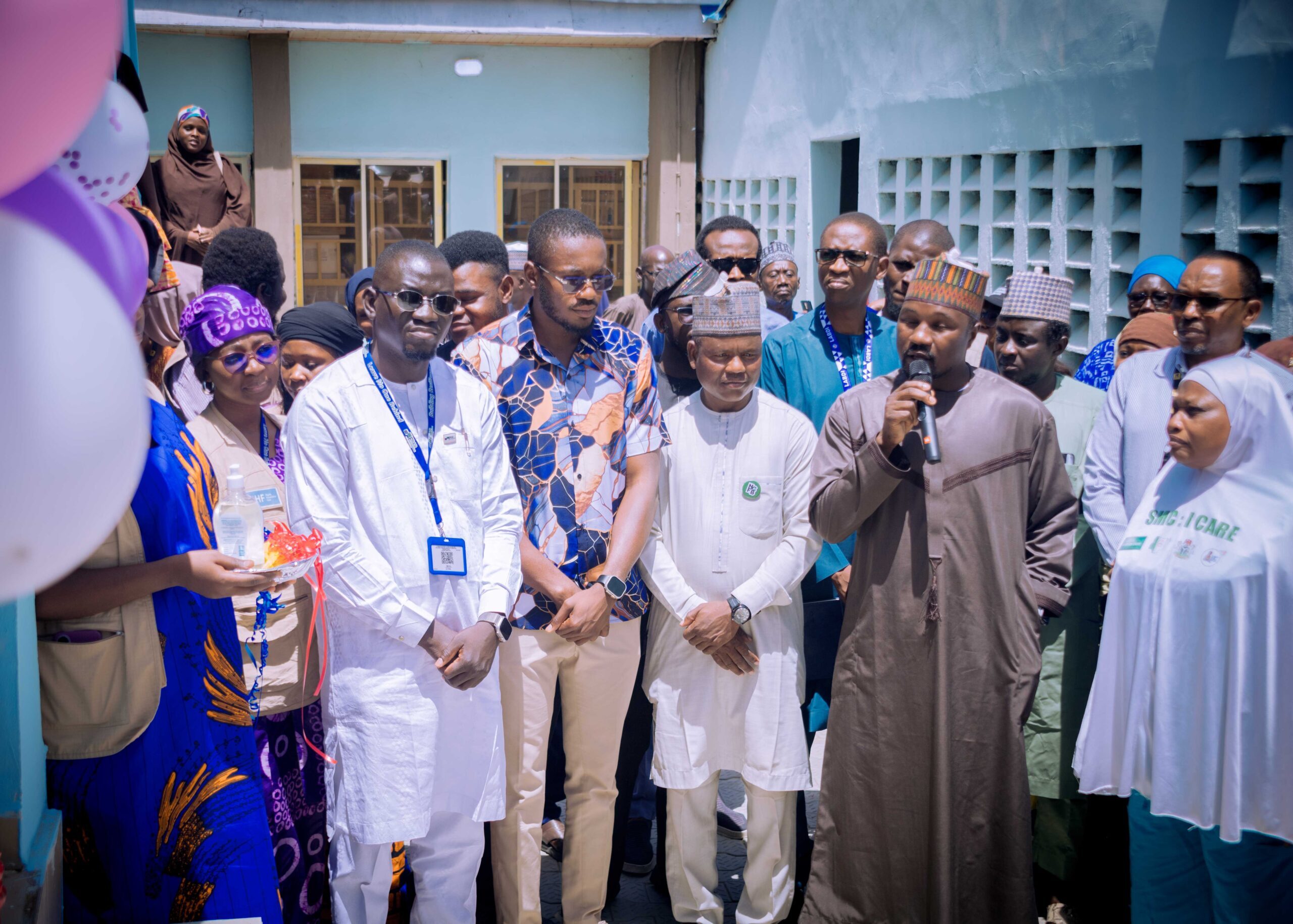
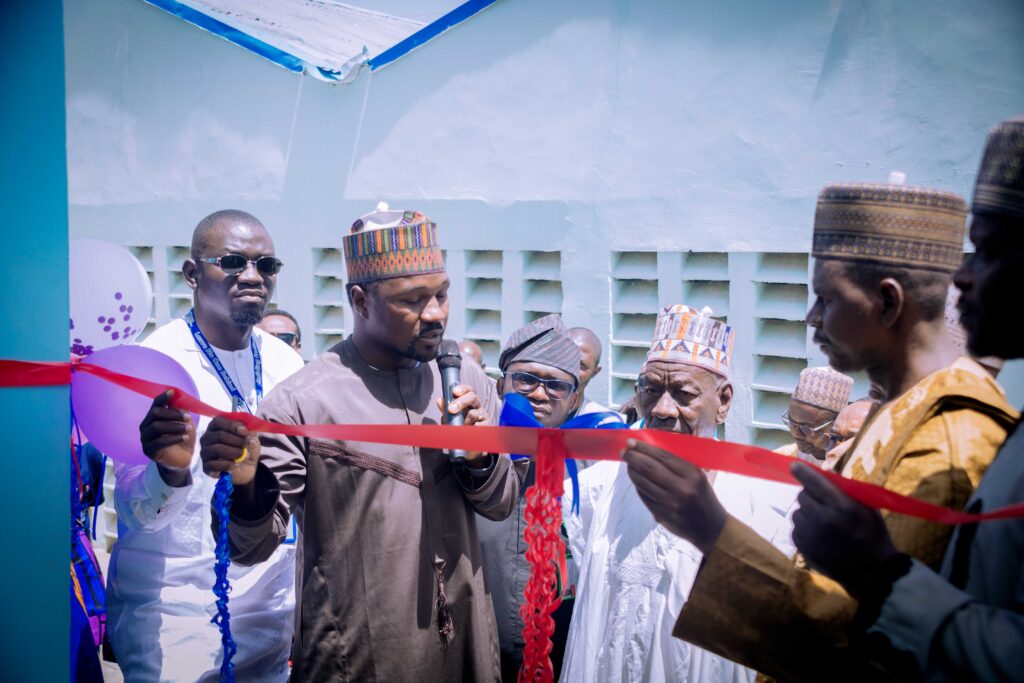
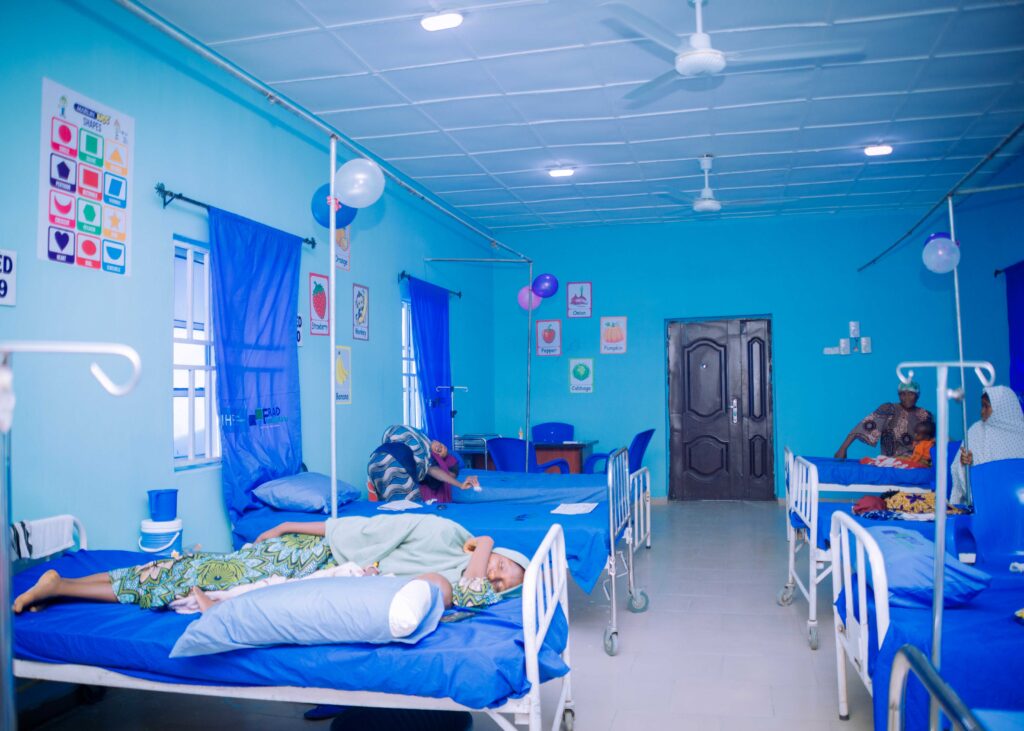
FRAD Foundation has reached a significant milestone in its mission to save lives and strengthen health systems in Northeast Nigeria with the official launch of a fully rehabilitated and equipped Stabilization Center in Nganaram Bulabulin, Borno State.

The facility, commissioned on 30th April 2026, represents a critical expansion of access to lifesaving care for children suffering from Severe Acute Malnutrition (SAM) with complications—one of the leading causes of child mortality in crisis-affected settings.

A Collaborative Effort for Life-Saving Impact

The commissioning ceremony brought together key stakeholders, including representatives from government institutions, humanitarian partners, and community leaders. Their presence underscored the importance of collaboration in addressing complex health and nutrition challenges.


FRAD Foundation extends its sincere appreciation to United Nations OCHA Nigeria (OCHA Funds) for their vital support in making this intervention possible.
A Facility Designed for Comprehensive Care

The Stabilization Center has been carefully designed and equipped to provide specialized and high-quality care for children in critical condition. Key features of the facility include:

  • Admission, triage, and nursing stations
  • Phase 1 and Phase 2 treatment wards
  • Intensive Care Unit (ICU)
  • Pharmacy and nutrition/feeding units
  • Functional WASH facilities and support systems

During the guided tour, stakeholders expressed strong satisfaction with the quality and standards of the facility, confirming its readiness to deliver effective and life-saving treatment services.

More Than Infrastructure — A Lifeline for Children

This intervention goes beyond the construction and rehabilitation of a health facility. It represents a lifeline for vulnerable children and families, ensuring that those suffering from complicated malnutrition receive timely, appropriate, and quality care.

By strengthening access to treatment, the Stabilization Center is expected to significantly reduce preventable deaths and improve recovery outcomes among children in Borno State.

Sustaining Impact Through Partnership

While this milestone marks important progress, sustaining its impact will require continued commitment and collaboration. Ensuring the uninterrupted supply of essential drugs and therapeutic feeds, strengthening the capacity of health workers, and maintaining effective coordination among partners will be critical to the long-term success of the facility.

A Call for Continued Support

FRAD Foundation calls on partners, donors, and stakeholders to continue supporting efforts to scale lifesaving nutrition services across the region. Together, we can expand access, strengthen systems, and ensure that no child is left behind.
353A9993
Coordination

FRAD Foundation Hosts GBV Sub-Sector February Coordination Meeting in Maiduguri

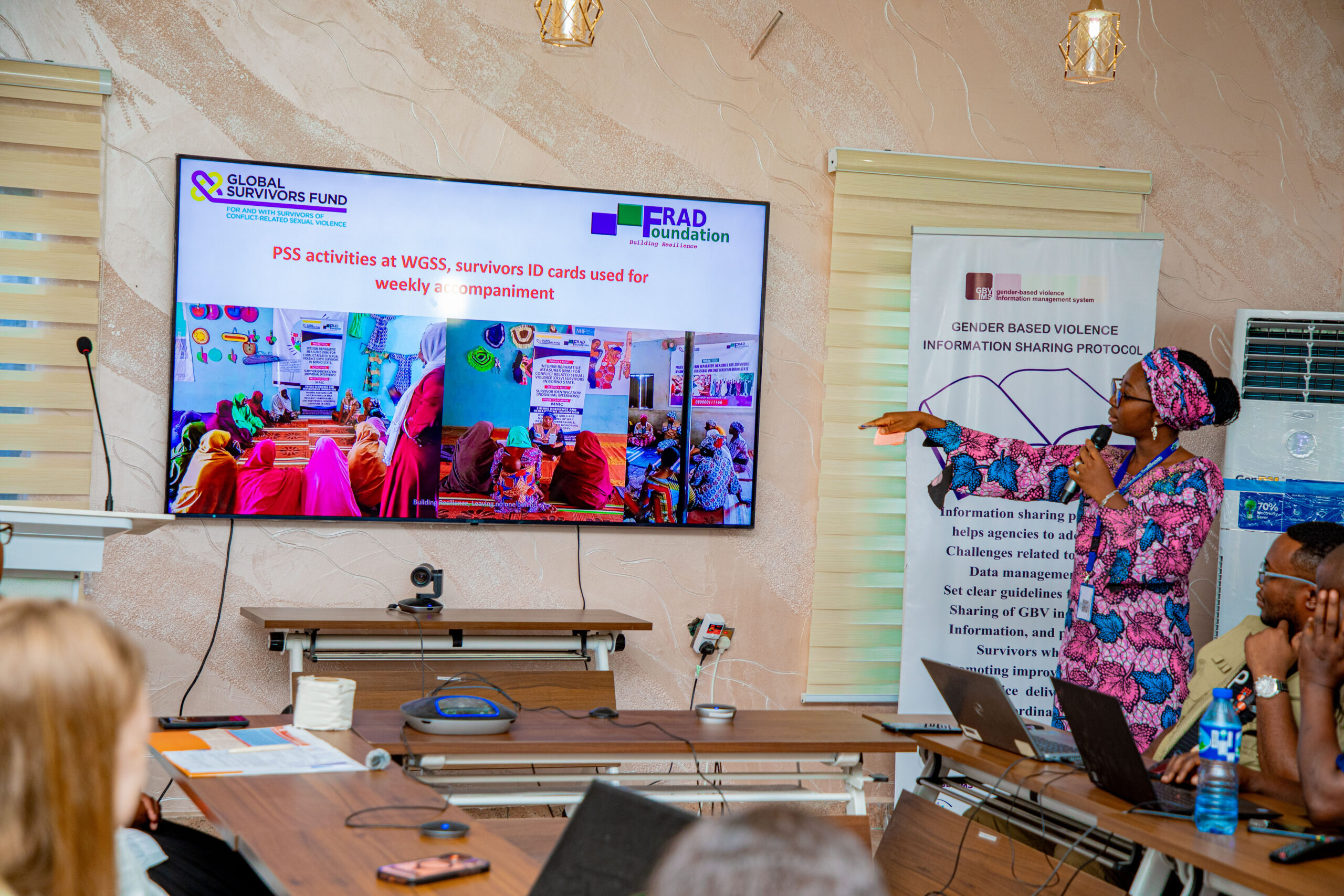
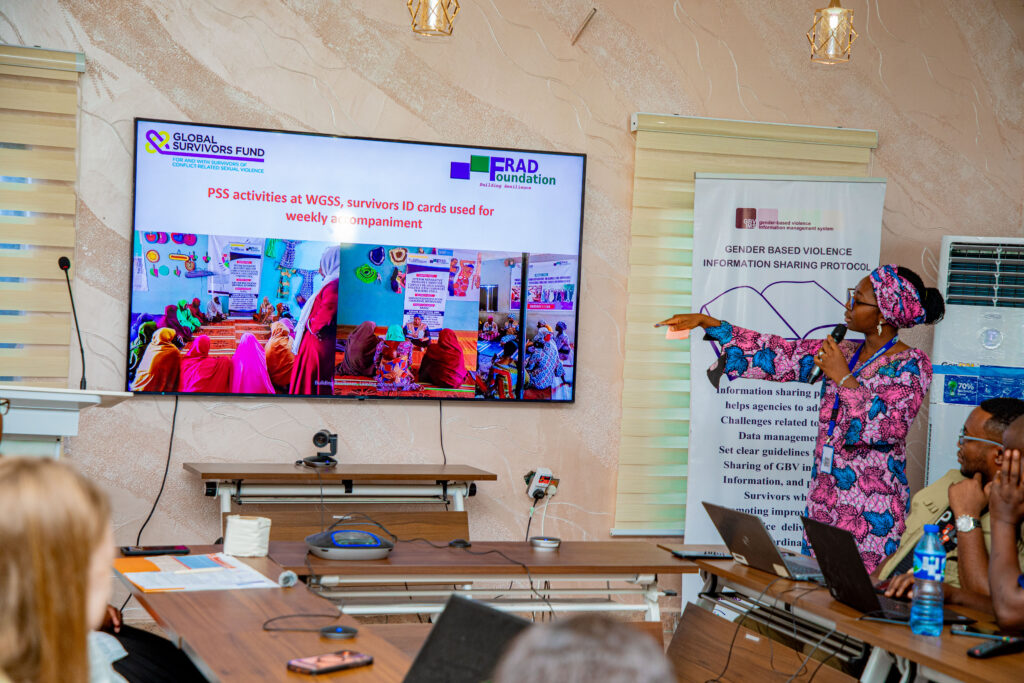
The Future Resilience and Development Foundation (FRAD Foundation) successfully hosted the GBV Sub-Sector February Coordination Meeting at its office in Maiduguri, Borno State. The meeting was conducted in a hybrid format, bringing together partners physically in Borno and virtually from Adamawa and Yobe States, reinforcing a united commitment to addressing Gender-Based Violence (GBV) across the BAY States.

The session was co-chaired by United Nations Population Fund (UNFPA) and the Borno State Ministry of Women Affairs and Social Development (MoWASD). The meeting was further honored by the presence of the UNFPA Resident Representative, whose visit strengthened collaboration, strategic alignment, and collective resolve to combat GBV and support survivors across the region.

Strengthening Accountability and Tracking Progress

A key highlight of the meeting was the review of minutes and action points from the previous session. This process ensured accountability among partners and allowed stakeholders to assess progress made, identify bottlenecks, and reinforce commitments.

Participants also received a comprehensive presentation of the monthly GBV dashboard, showcasing ongoing interventions, service coverage, and key trends across Borno, Adamawa, and Yobe States. The dashboard provided critical insights to inform programming decisions and strengthen coordinated response efforts.

FRAD Foundation’s Update on IRM for CRSV Survivors

FRAD Foundation presented updates on its implementation of Interim Reparative Measures (IRM) for survivors of Conflict-Related Sexual Violence (CRSV) across Maiduguri Metropolitan Council (MMC), Monguno, and Gwoza Local Government Areas of Borno State. These interventions aim to restore dignity, promote healing, and provide essential support services to survivors affected by conflict.

Through IRM activities, FRAD continues to work closely with stakeholders to ensure survivor-centered, confidential, and rights-based approaches that prioritize protection and empowerment.

Addressing Emerging Gaps and Strategic Priorities

The meeting also provided space for open discussions on emerging issues, operational gaps, and strategic priorities to strengthen the overall GBV response architecture. Partners shared field experiences, identified coordination challenges, and proposed practical solutions to enhance service delivery and outreach.

The GBV Sub-Sector Coordination Meeting remains a vital platform for fostering partnerships, improving information sharing, and ensuring a harmonized approach to prevention and response efforts across the BAY States.

Commitment to a Safer Future

At FRAD Foundation, we remain steadfast in our commitment to collaborative action, accountability, and the protection of the dignity and rights of vulnerable populations. By working together with government institutions, UN agencies, and implementing partners, we continue to build safer, more resilient communities across Northeast Nigeria.

Together, we can strengthen systems, support survivors, and advance a future free from Gender-Based Violence.