



Uncategorized
Empowering Caregivers to Fight Malnutrition in Konduga, MMC, and Magumeri.
With food insecurity making things incredibly tough for so many families right now, knowing how to stretch a meal isn’t just a useful skill but everything.
As vulnerable households navigate these challenging times, finding sustainable, accessible ways to protect children’s health is more critical than ever. Recognizing this urgent need, the Future Resilience and Development Foundation (FRAD) recently took direct action to support families where it matters most: their kitchens.
Bringing Nutrition to the Doorstep: What Happened?
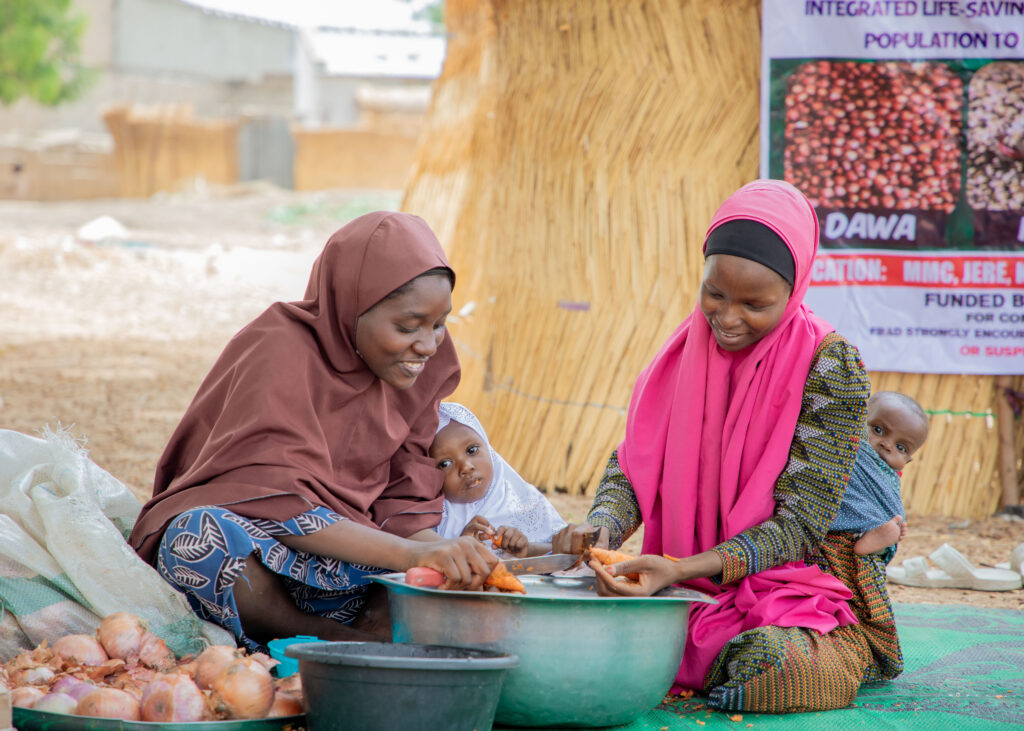
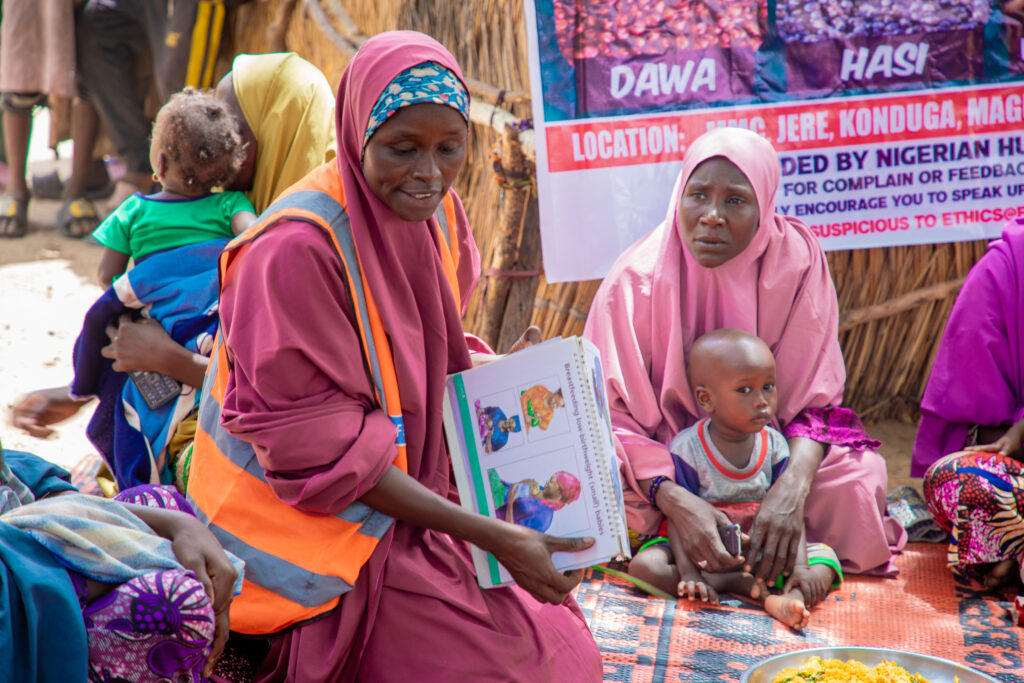
FRAD hosted interactive, hands-on cooking demonstrations across its implementing communities in the Konduga, MMC, and Magumeri Local Government Areas (LGAs).
The goal was simple yet powerful: show caregivers how to use affordable, locally available ingredients to create nutrient-dense meals that shield their children from the devastating impacts of malnutrition.
Beyond the Recipe: Holistic Care
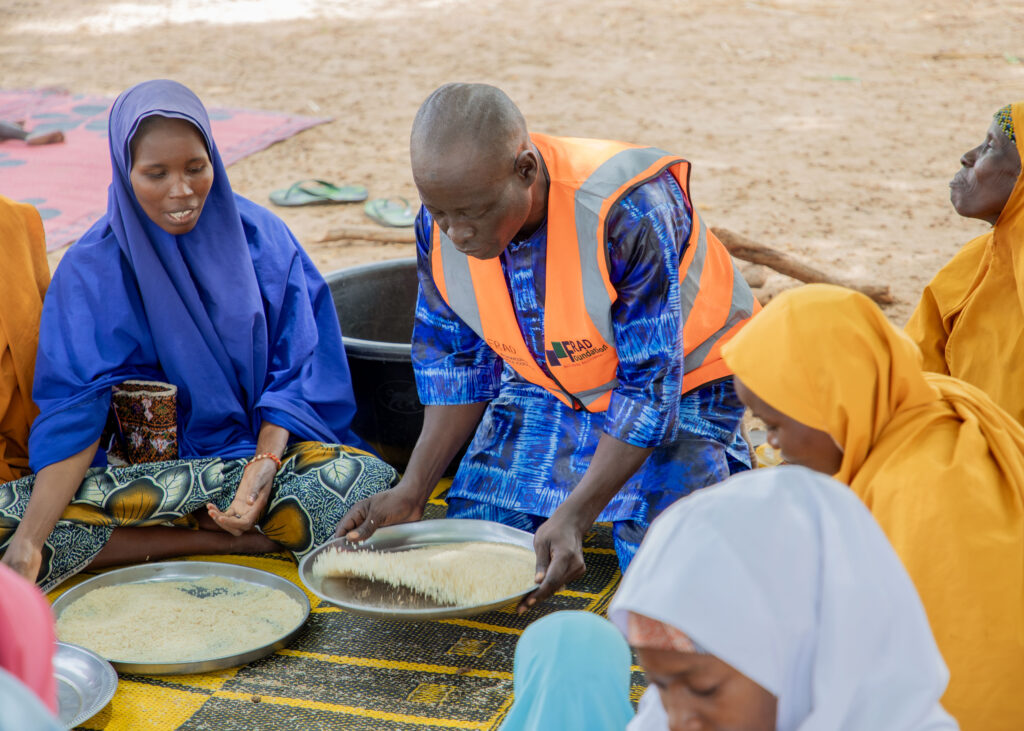
These sessions weren’t just about cooking. They served as a vital platform to engage directly with caregivers on the fundamentals of long-term family well-being. The demonstrations emphasized:
Healthy Feeding Practices: Maximize the nutritional value of every meal.
Hygiene & Sanitation: Prevent illnesses that can worsen malnutrition.
Balanced Diets: Understand how to combine local ingredients to ensure children get the vitamins and minerals they need to thrive.
The Reality Check: Malnutrition is both preventable and treatable. However, as families face increasing food insecurity, more support is urgently needed to ensure vulnerable children receive life-saving care and nutrition assistance during the difficult months ahead.
Why Local Solutions Matter
When resources are scarce, relying on expensive, imported, or hard-to-find nutritional supplements isn’t a sustainable strategy for everyday families. By focusing on locally available foods, FRAD is empowering caregivers with practical knowledge they can actually use tomorrow morning.
It turns out that building resilience doesn’t always require complex solutions; sometimes, it starts with a pot, a fire, and the right combination of local crops.
Our Ongoing Commitment
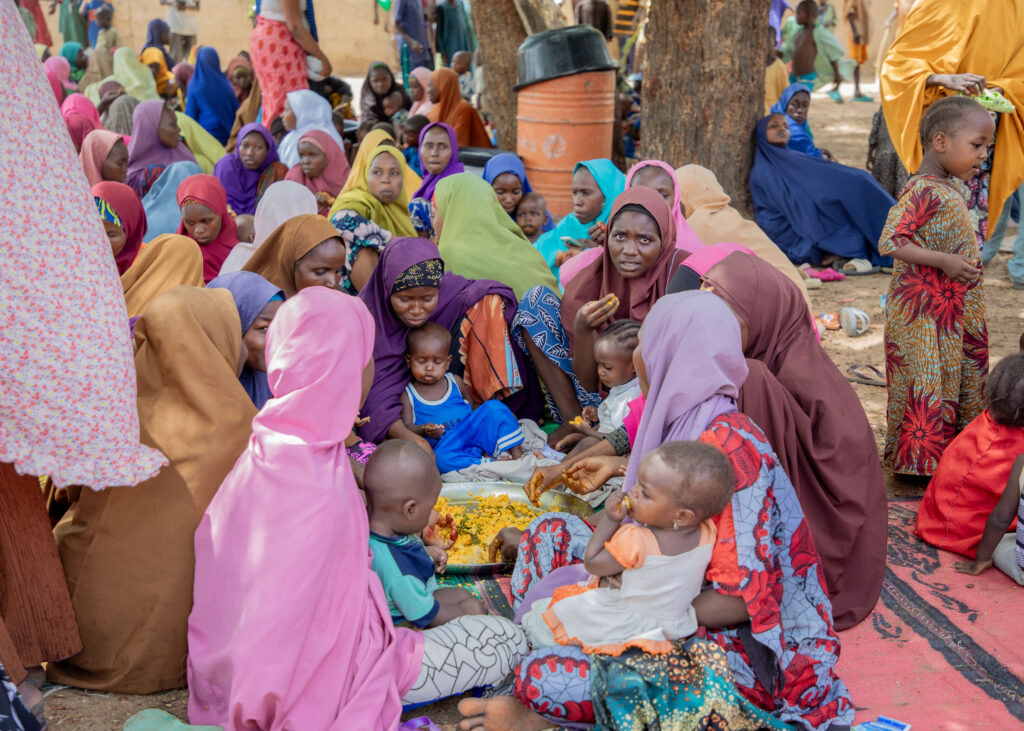
Through sustained community engagement and targeted, nutrition-focused interventions, the Future Resilience and Development Foundation remains deeply committed to empowering households. We believe in providing sustainable solutions that don’t just offer temporary relief, but permanently improve nutrition outcomes and save lives.
We cannot do this alone. The road ahead is challenging, but together, we can ensure that no child is left behind to face hunger in the dark.
Building Resilience, Leaving No One Behind
How Cash Assistance Transformed a Mother’s Crisis into a Sustainable Enterprise in Borno
October 7, 2026
No Comments
When Fatima Goni Bukar arrived at our Stabilization Centre (SC) in Borno State, her focus was on just one thing: keeping her baby alive. After
From Hours of Waiting to Seconds at the Tap: How Clean Water Changed Maryam’s Future
September 17, 2026
No Comments
For a long time, Maryam’s mornings were shaped by a heavy question: Will I make it to school on time today? Even though Maryam lives
Shoulder to Shoulder: How Joint Supportive Supervision is Strengthening Frontline Response in Borno State
July 5, 2026
No Comments
Behind every successful humanitarian intervention are the frontline workers who show up daily to save lives. They are the backbone of our response, operating in