


Uncategorized
Behind every successful humanitarian intervention are the frontline workers who show up daily to save lives. They are the backbone of our response, operating in challenging environments to ensure vulnerable families receive critical care.
To ensure these teams have the structural support they need to thrive, the FRAD Foundation, in close partnership with ELELA-CARE Humanitarian and Development Organization and local health authorities, recently concluded a comprehensive Joint Supportive Supervision exercise. The deployment spanned our implementation across our area of implementations.
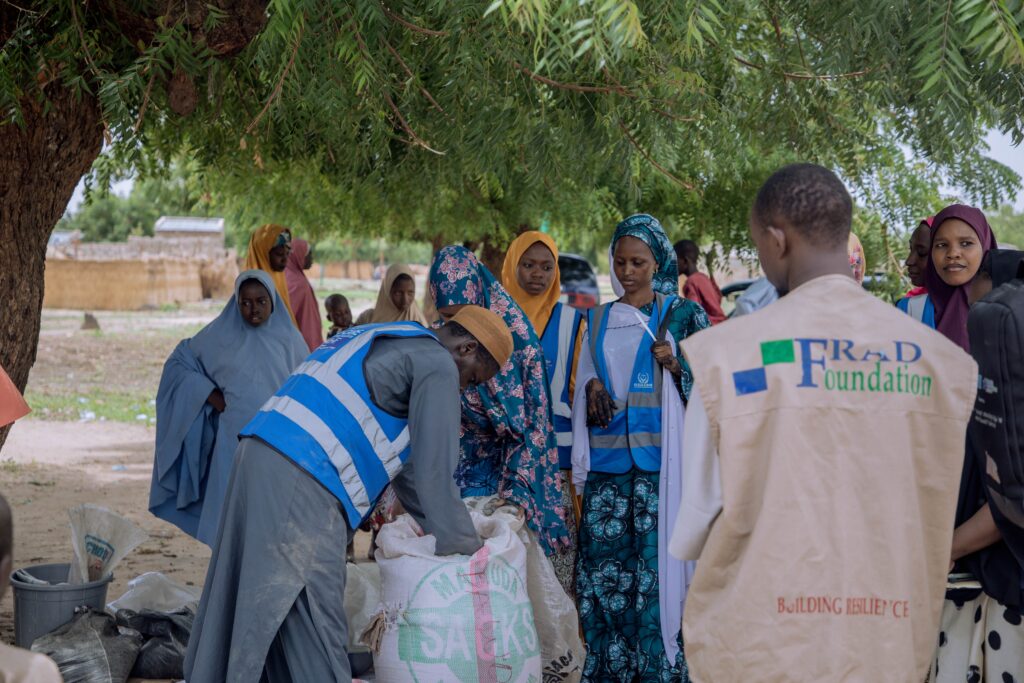
This initiative represents a deliberate shift away from traditional, top-down oversight. Instead, it focuses on a partnership model—standing shoulder-to-shoulder with local responders to strengthen delivery systems from the ground up.
Moving Beyond Checklists to Hands-On Mentorship
Real impact is built through shared accountability, listening, and practical, on-the-job guidance. Rather than pointing out mistakes from behind a desk, our joint teams spent days embedded at service sites, working hand-in-hand with frontline health workers to solve operational problems in real time.
During the visits, the joint teams focused on three critical operational pillars:
Identifying and fixing immediate logistical gaps to ensure that essential nutrition commodities and Water, Sanitation, and Hygiene (WASH) supplies are always available when communities need them most.
Smoothing out the pathways between communities and health facilities to ensure severe cases are identified, tracked, and treated without delay.
Providing direct clinical mentorship to reinforce high standards of care for vulnerable children and families experiencing acute malnutrition.
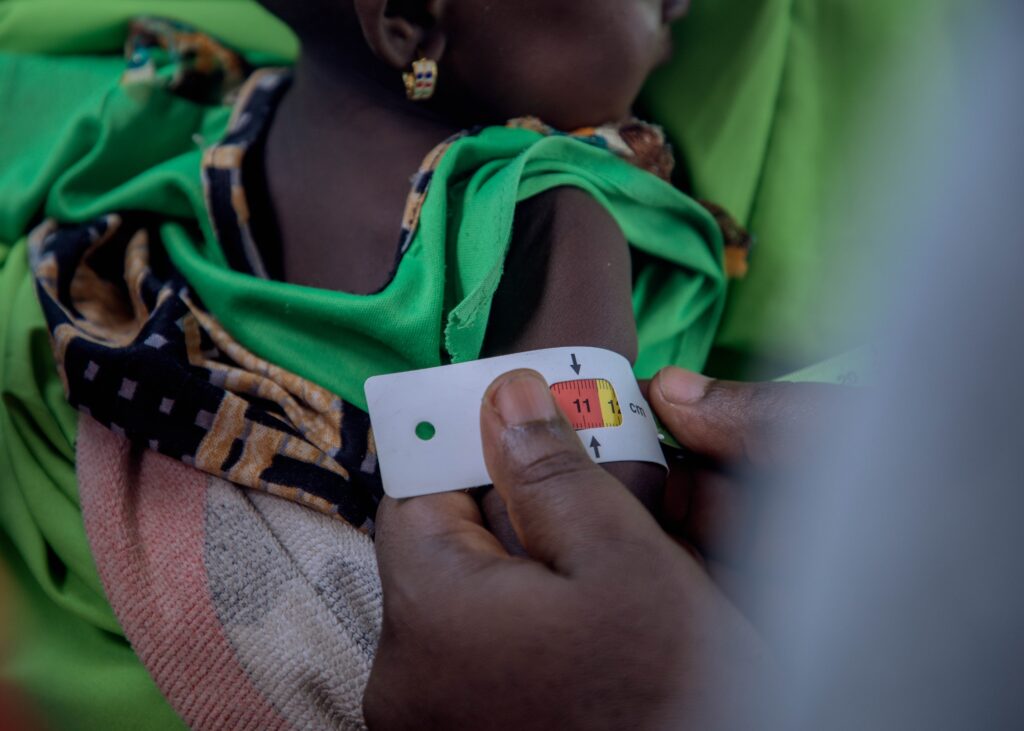
A vital component of this exercise took place after the clinical evaluations. The joint teams sat down with community stakeholders and local leaders to gather honest, direct feedback.
We believe that interventions are only as resilient as the community’s trust in them. By listening to the people we serve, we gain the insights necessary to continuously adapt, improve, and refine our approach to meet the evolving realities on the ground. By mentoring teams right at the clinics and validating our progress with the community, we are ensuring these life-saving services remain strong, reliable, and sustainable for the long haul.
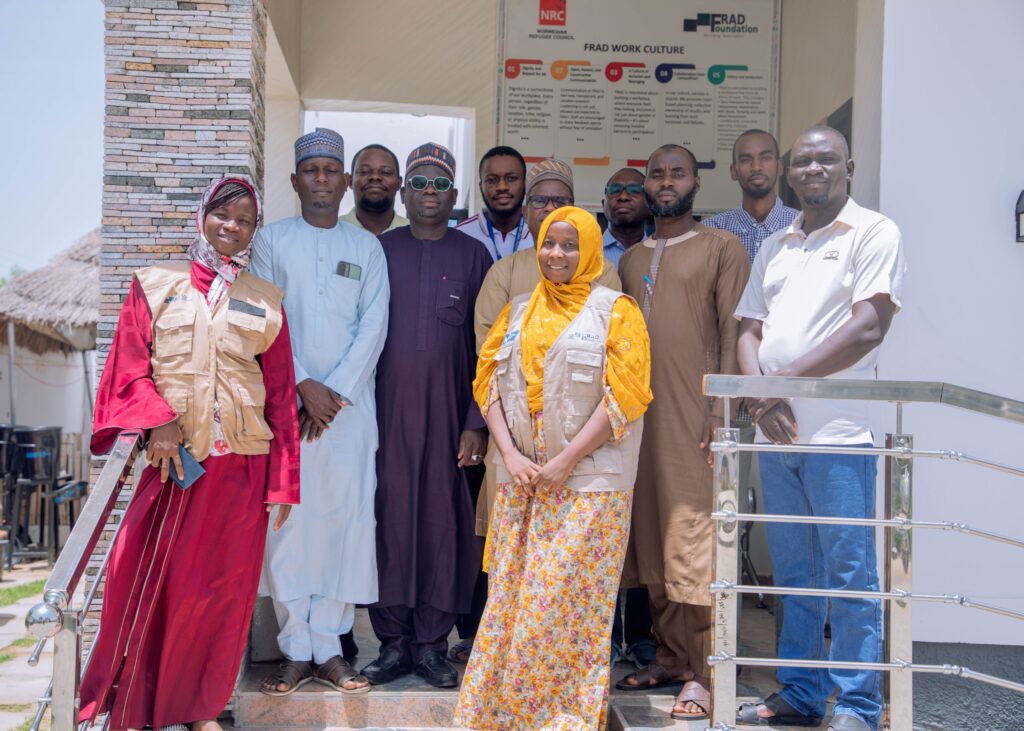
This vital, life-saving work is made possible through the continued trust and funding of the Nigerian Humanitarian Fund (NHF) – OCHA. Their investment goes beyond financing—it empowers local actors to build resilient health frameworks and deliver sustainable care exactly where it is needed most.
To our frontline workers, our partners at ELELA-CARE, local health authorities, and the NHF: thank you for your unwavering commitment to building a safer, healthier, and more resilient future.