




No products in the cart.

Contacts

No. 348 Jamaina road, Pompomari bypass, Maiduguri, Borno State.

info@fradfoundation.org

+234-9077255226 

Category: Uncategorized

1Z2A2510
Uncategorized

Moving Policy to Action: Borno State GBV Sector SOPs Officially Validated

Standardized protection is no longer just a goal for Borno State but now an actionable reality. ​

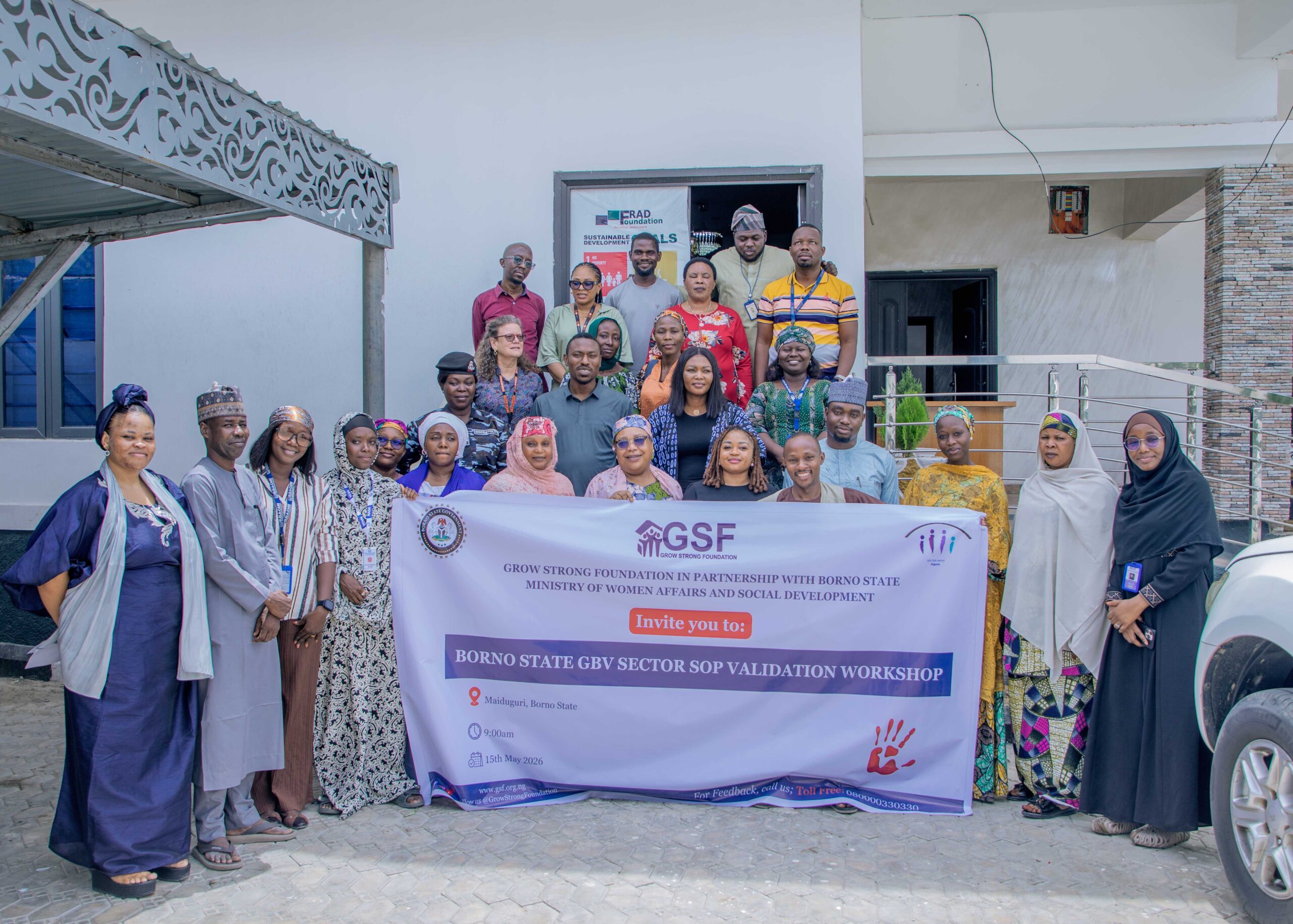
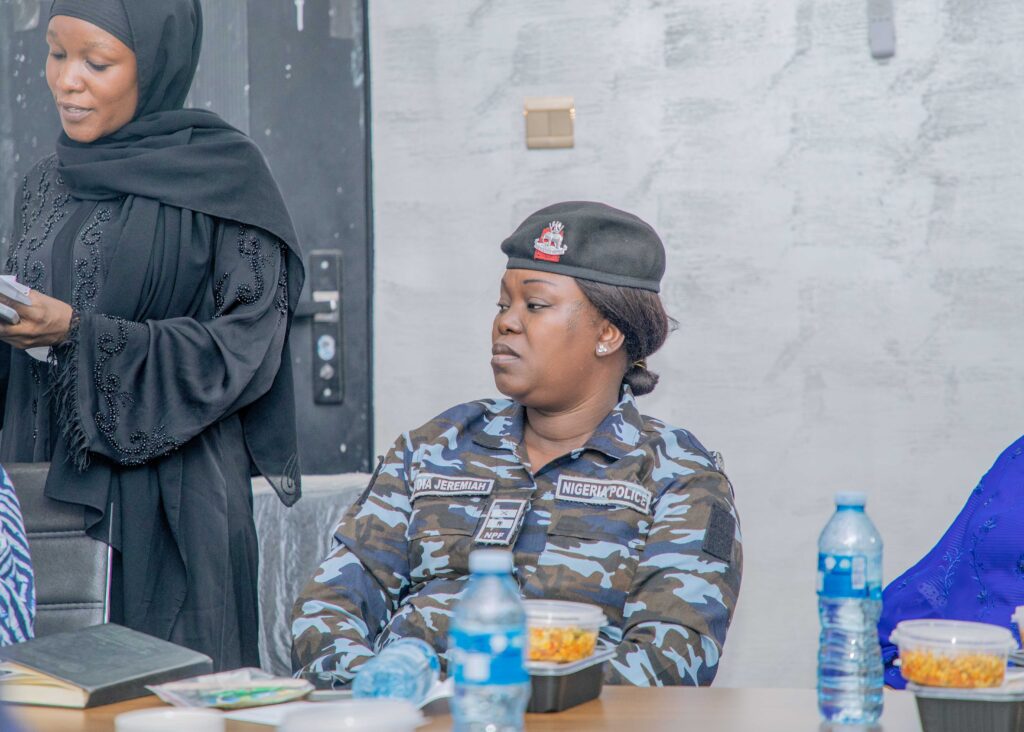
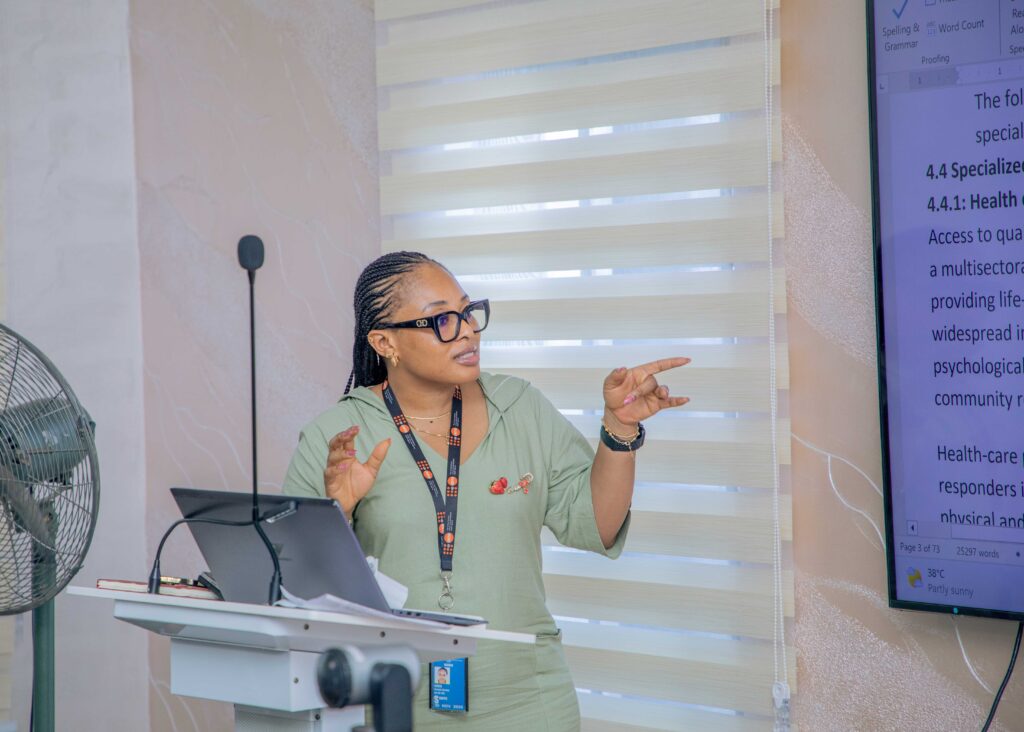
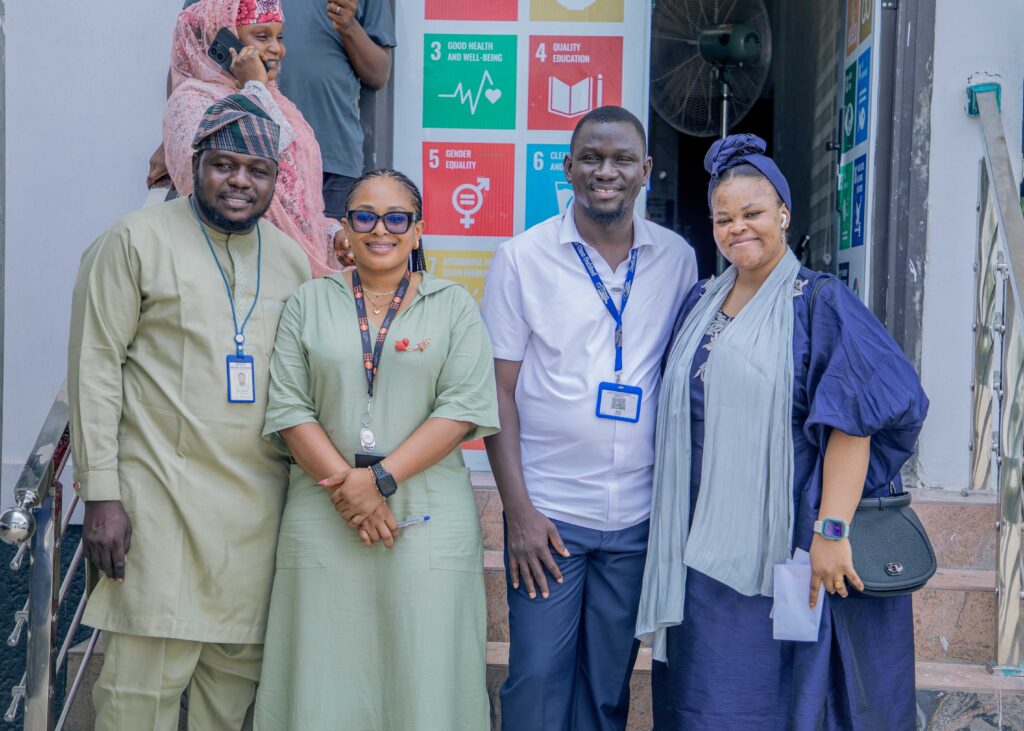
We are proud to announce the successful completion of the Borno State Gender-Based Violence (GBV) Sector Standard Operating Procedures (SOP) Validation Workshop. Held in Maiduguri, Borno State, this pivotal event marks a significant milestone in our collective mission to protect vulnerable populations and institutionalize survivor-centered care.

The high-level workshop was organized by the Grow Strong Foundation (GSF) in close partnership with the Borno State Ministry of Women Affairs and Social Development.

Strengthening the Response Framework

The primary objective of the workshop was to review, refine, and formally validate the updated GBV Sector SOPs. These guidelines serve as the structural backbone for all humanitarian and development actors operating in the region, ensuring that response mechanisms are unified, efficient, and deeply rooted in the best interests of survivors.

By establishing these clear, multi-sectoral protocols, the updated SOPs will:

  • Enhance Coordination: Seamlessly link medical, legal, psychosocial, and security response channels.

  • Standardize Care: Ensure every survivor receives the same high quality of dignified, confidential, and timely support.

  • Increase Accountability: Define clear roles and responsibilities for state actors, local NGOs, and international partners.

"By finalizing these protocols, we are transitioning from policy to practice, ensuring that our collective response is not just rapid, but structurally sound and survivor-centered."

A Collaborative Achievement

This milestone would not have been possible without the dedication of our community leaders, civil society organizations, and ministry representatives. Their diverse expertise and field insights have shaped a document that genuinely reflects the realities and needs on the ground.

As we move into the implementation phase, our focus shifts to training field actors and rolling out these guidelines across all local government areas (LGAs) to ensure a safer, more responsive environment for everyone in Borno State.

For more updates on our protection programs and upcoming initiatives, follow us on our social media channels.

1Z2A0002
Uncategorized

Resilient Kitchens: Turning Local Foods into Lifelines

Empowering Caregivers to Fight Malnutrition in Konduga, MMC, and Magumeri.

With food insecurity making things incredibly tough for so many families right now, knowing how to stretch a meal isn’t just a useful skill but everything.

As vulnerable households navigate these challenging times, finding sustainable, accessible ways to protect children’s health is more critical than ever. Recognizing this urgent need, the Future Resilience and Development Foundation (FRAD) recently took direct action to support families where it matters most: their kitchens.

Bringing Nutrition to the Doorstep: What Happened?

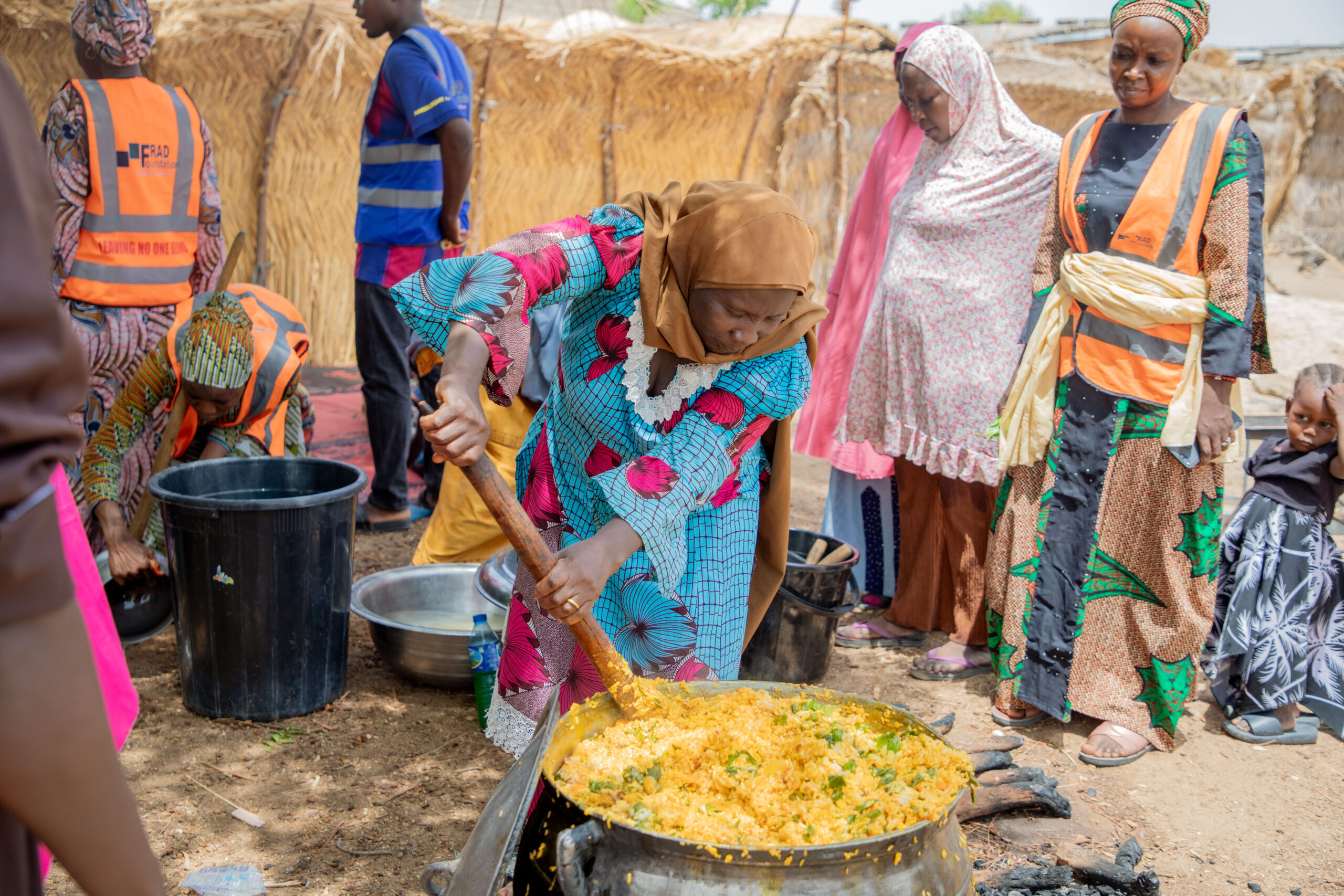
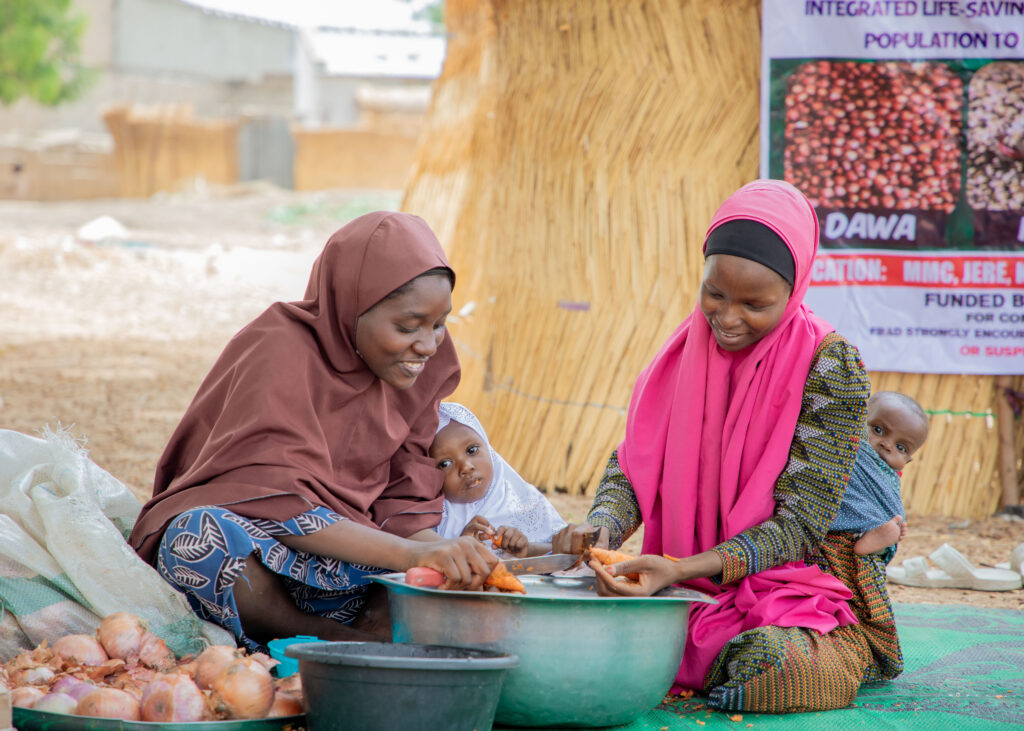
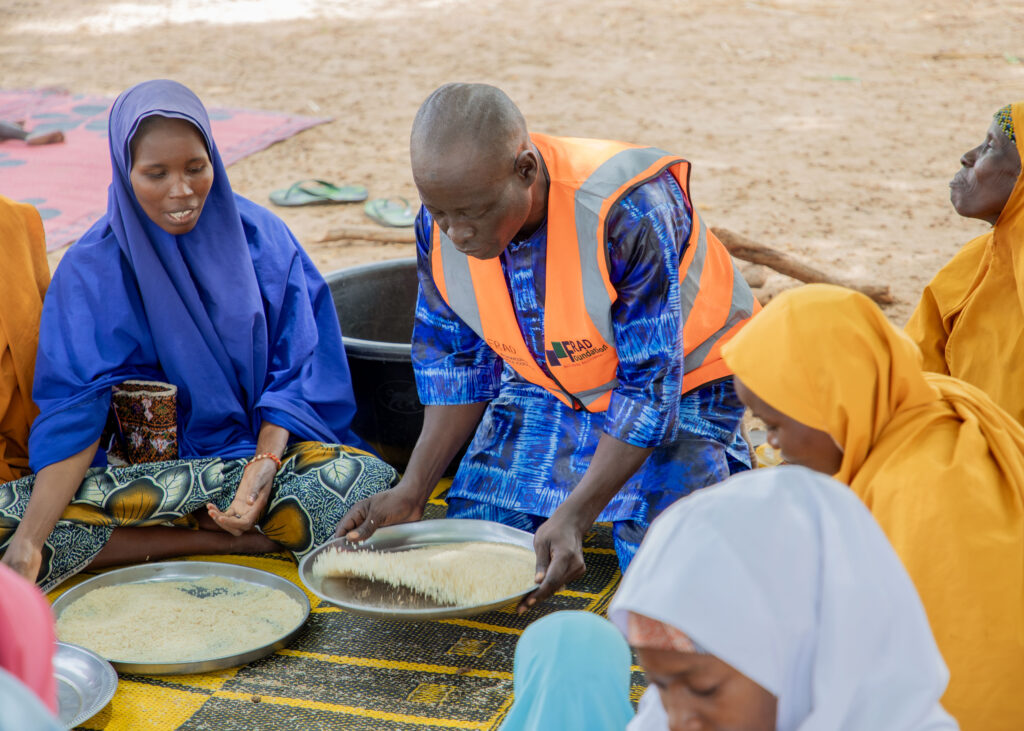
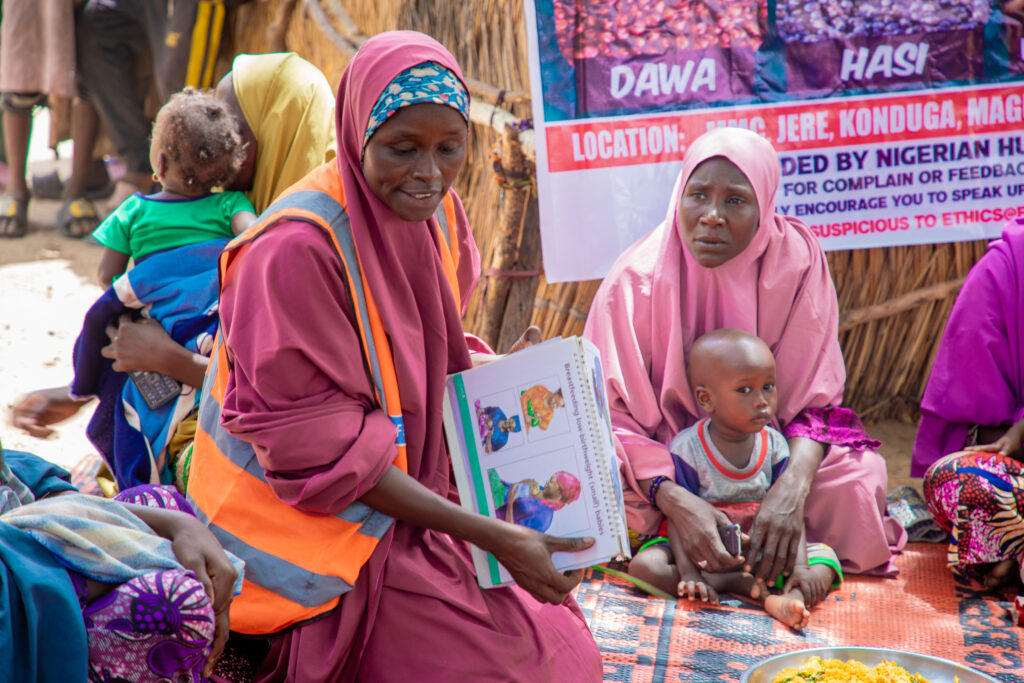
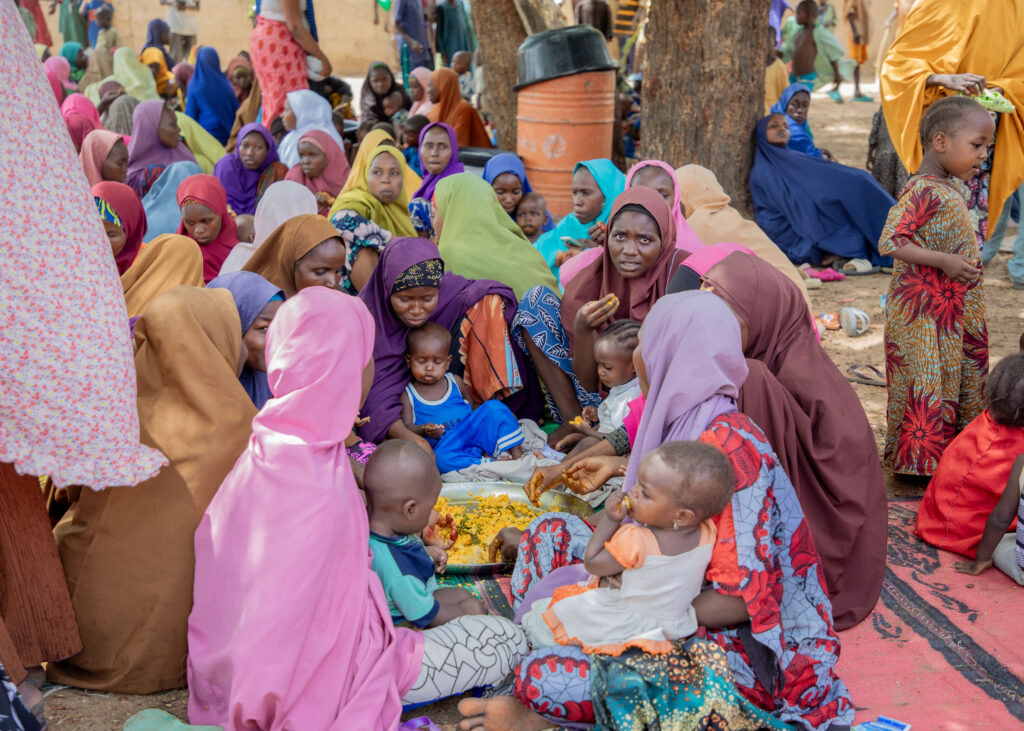
FRAD hosted interactive, hands-on cooking demonstrations across its implementing communities in the Konduga, MMC, and Magumeri Local Government Areas (LGAs).

The goal was simple yet powerful: show caregivers how to use affordable, locally available ingredients to create nutrient-dense meals that shield their children from the devastating impacts of malnutrition.

Beyond the Recipe: Holistic Care

These sessions weren’t just about cooking. They served as a vital platform to engage directly with caregivers on the fundamentals of long-term family well-being. The demonstrations emphasized:

  • Healthy Feeding Practices: Maximize the nutritional value of every meal.

  • Hygiene & Sanitation: Prevent illnesses that can worsen malnutrition.

  • Balanced Diets: Understand how to combine local ingredients to ensure children get the vitamins and minerals they need to thrive.

The Reality Check: Malnutrition is both preventable and treatable. However, as families face increasing food insecurity, more support is urgently needed to ensure vulnerable children receive life-saving care and nutrition assistance during the difficult months ahead.

Why Local Solutions Matter

When resources are scarce, relying on expensive, imported, or hard-to-find nutritional supplements isn’t a sustainable strategy for everyday families. By focusing on locally available foods, FRAD is empowering caregivers with practical knowledge they can actually use tomorrow morning.

It turns out that building resilience doesn’t always require complex solutions; sometimes, it starts with a pot, a fire, and the right combination of local crops.

Our Ongoing Commitment

Through sustained community engagement and targeted, nutrition-focused interventions, the Future Resilience and Development Foundation remains deeply committed to empowering households. We believe in providing sustainable solutions that don’t just offer temporary relief, but permanently improve nutrition outcomes and save lives.

We cannot do this alone. The road ahead is challenging, but together, we can ensure that no child is left behind to face hunger in the dark.

Building Resilience, Leaving No One Behind

World Water Day

We join the world in commemorating World Water Day, a reminder that water is life, and access to safe and clean water is a basic

Read More »

Celebrating International Women’s Day.

FRAD Foundation proudly joined the world in celebrating International Women’s Day. The celebration provided an opportunity to recognize the strength, resilience, and invaluable contributions of women

Read More »
Screenshot 2026-05-22 114003
Uncategorized

From Clinical Care to Household Resilience: Our Post-Discharge Support.

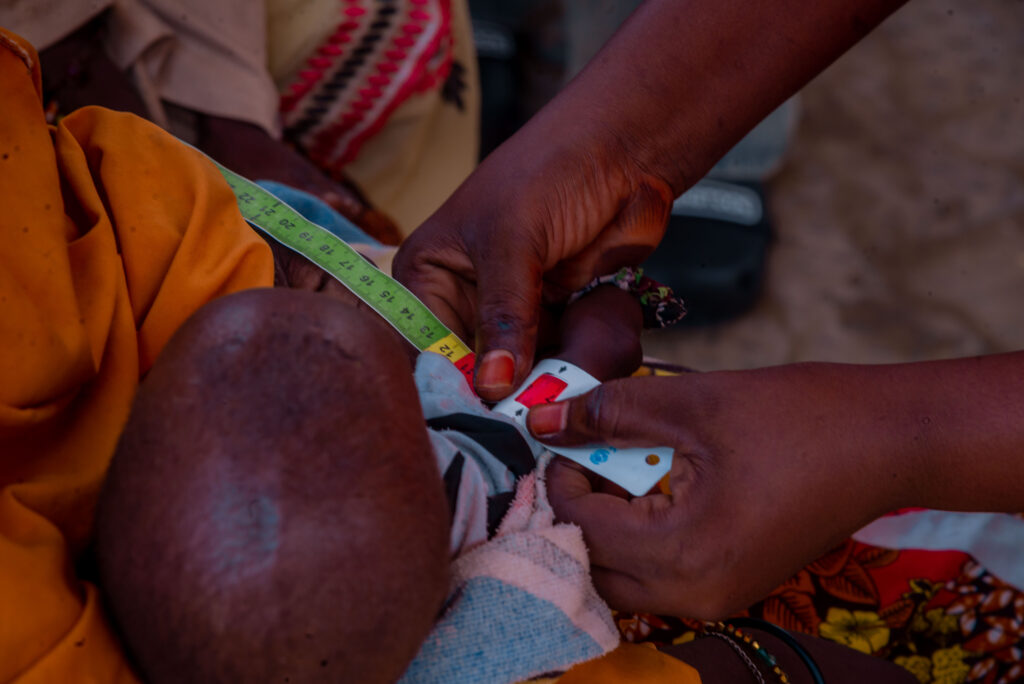
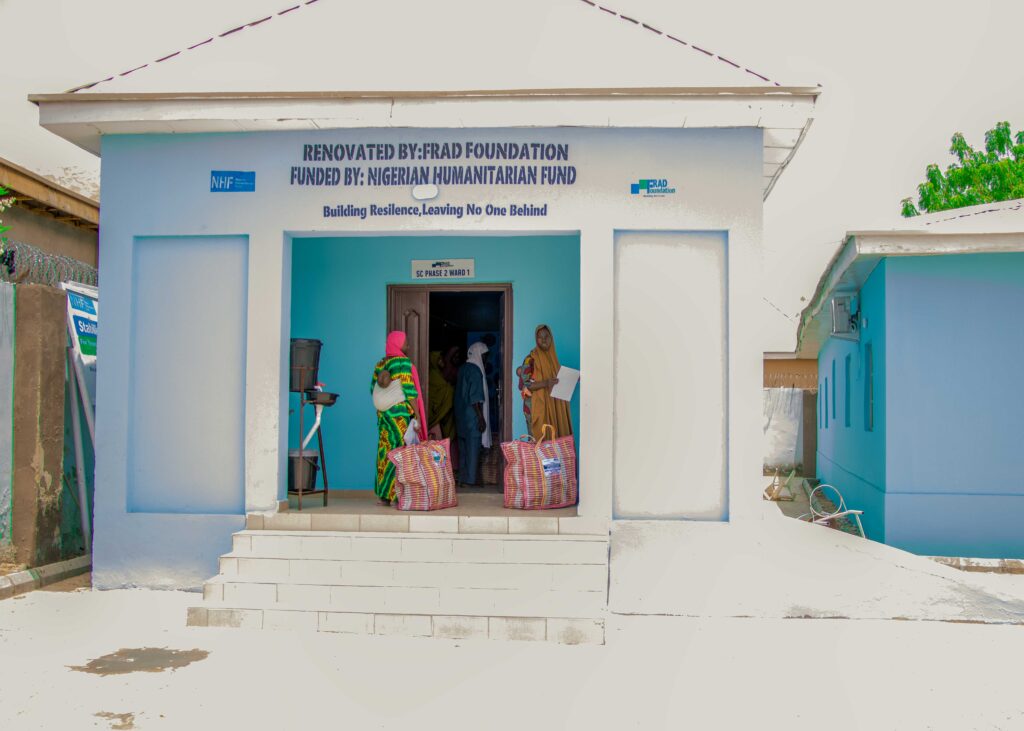
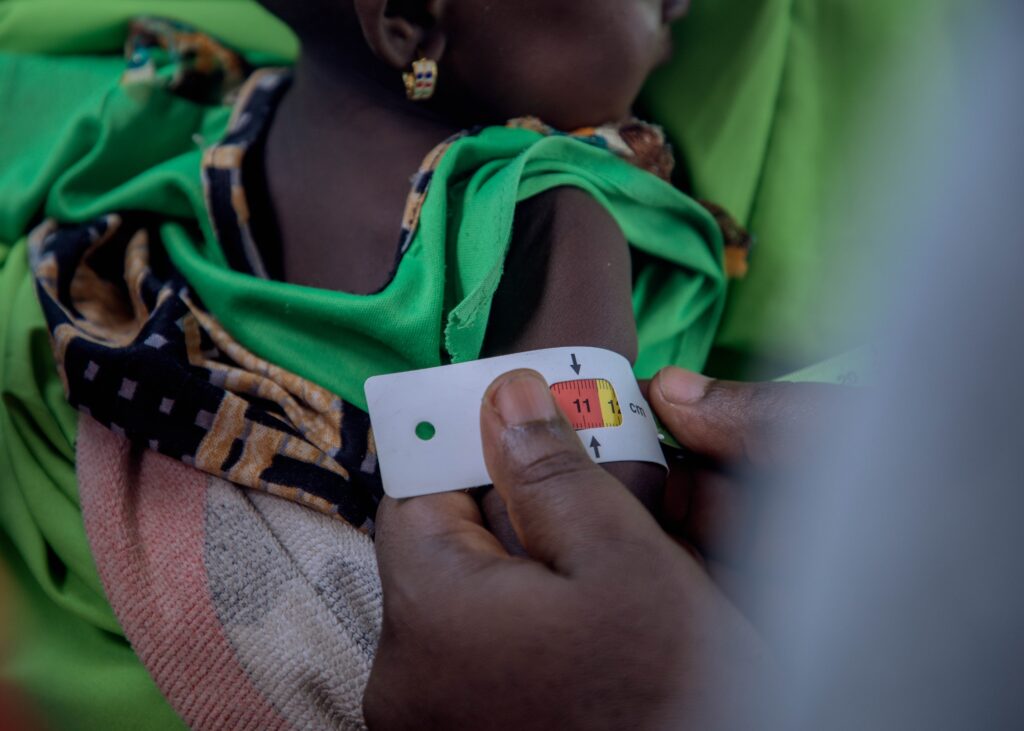
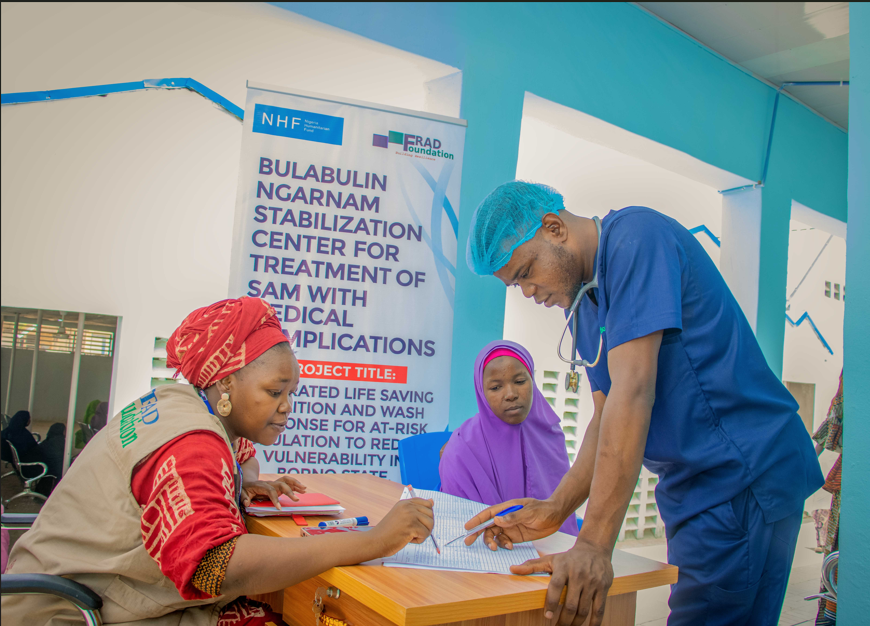
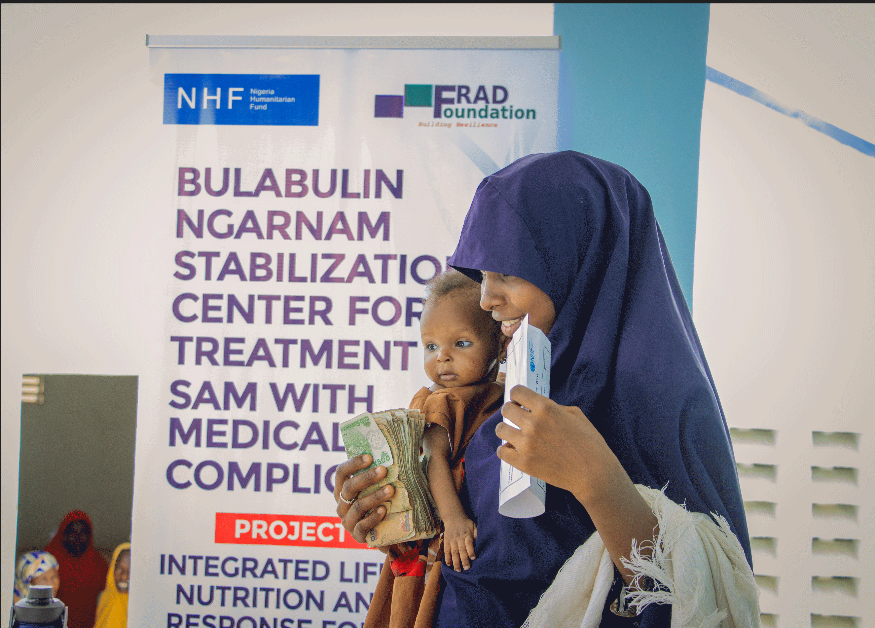
At our Stabilisation Center, medical treatment is only the first step in a child’s recovery from severe acute malnutrition. While our clinical teams work around the clock to manage critical medical complications and get children out of immediate danger, we know that the true foundation for long-term health is built at home. Lasting recovery requires a holistic approach that extends beyond the hospital walls and directly into the community.

Empowering Caregivers Through Practical Knowledge

Before families transition out of our care, we partner closely with caregivers through practical, interactive sessions focused on nutrition, infant and young child feeding practices, and health hygiene. This ensures that the recovery started in our facility is sustained by the families themselves, using local resources.

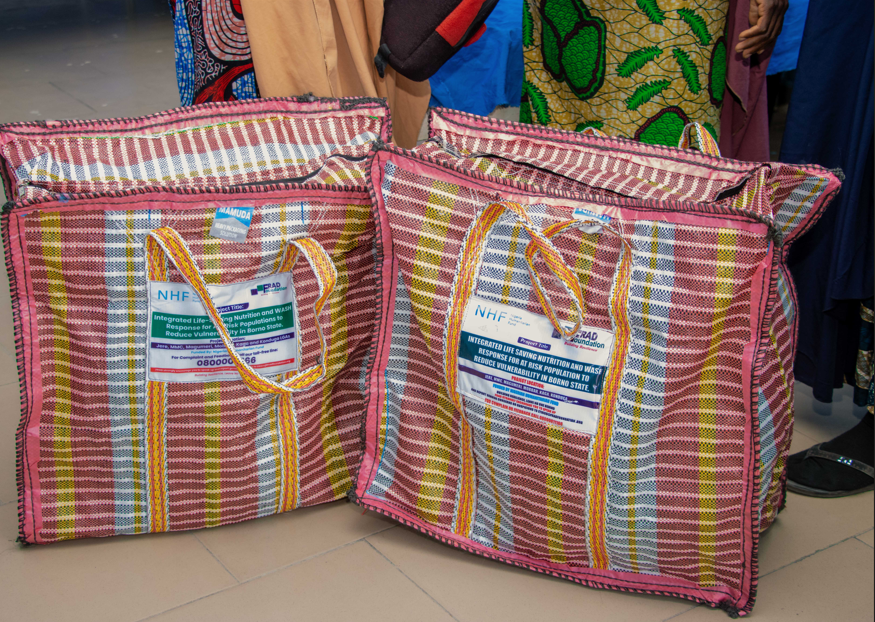
Restoring Comfort with Dignity Kits

To fully support caregivers as they return home, we provide them with dignity kits upon discharge. These kits ensure that essential personal hygiene and health needs are met with privacy, comfort, and respect, easing the transition back into the community.

Promoting Autonomy Through Cash and Voucher Assistance (CVA)

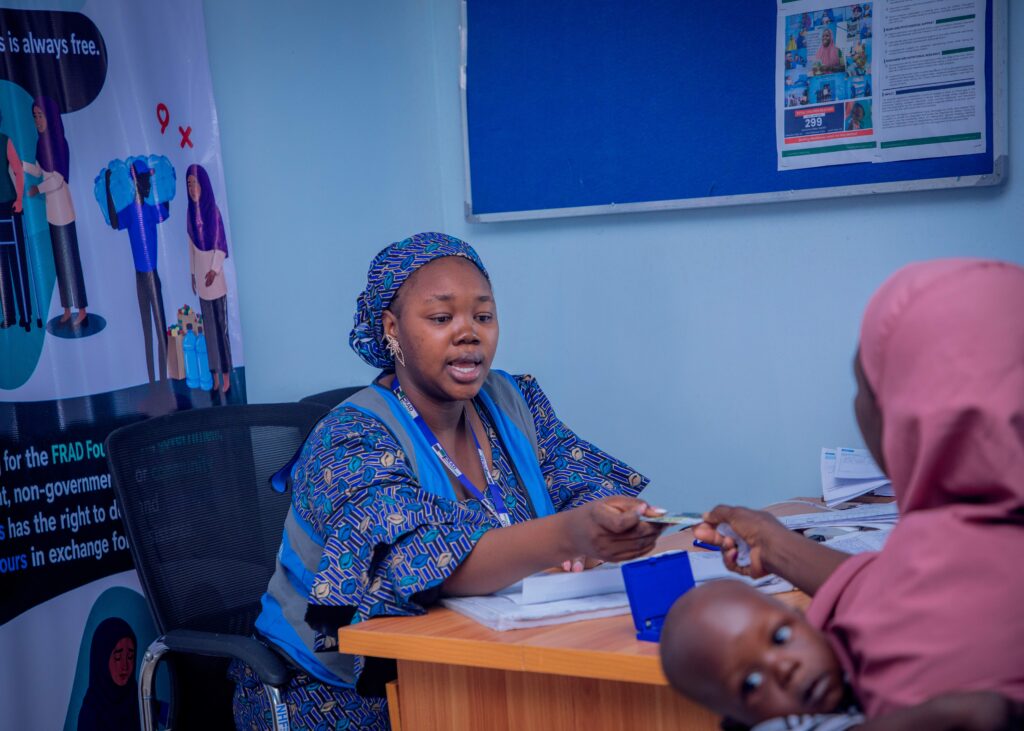
Alongside hygiene support, families receive Cash and Voucher Assistance (CVA). This financial support respects the autonomy of families, providing them with the direct purchasing power and flexibility to make their own choices. By equipping caregivers with the financial agency to buy diverse, nutrient-dense foods, we support them as they lead the way toward their household’s long-term well-being and food security.