No products in the cart.

Contacts

No. 348 Jamaina road, Pompomari bypass, Maiduguri, Borno State.

info@fradfoundation.org

+234-9077255226 

Uncategorized

From Hours of Waiting to Seconds at the Tap: How Clean Water Changed Maryam’s Future
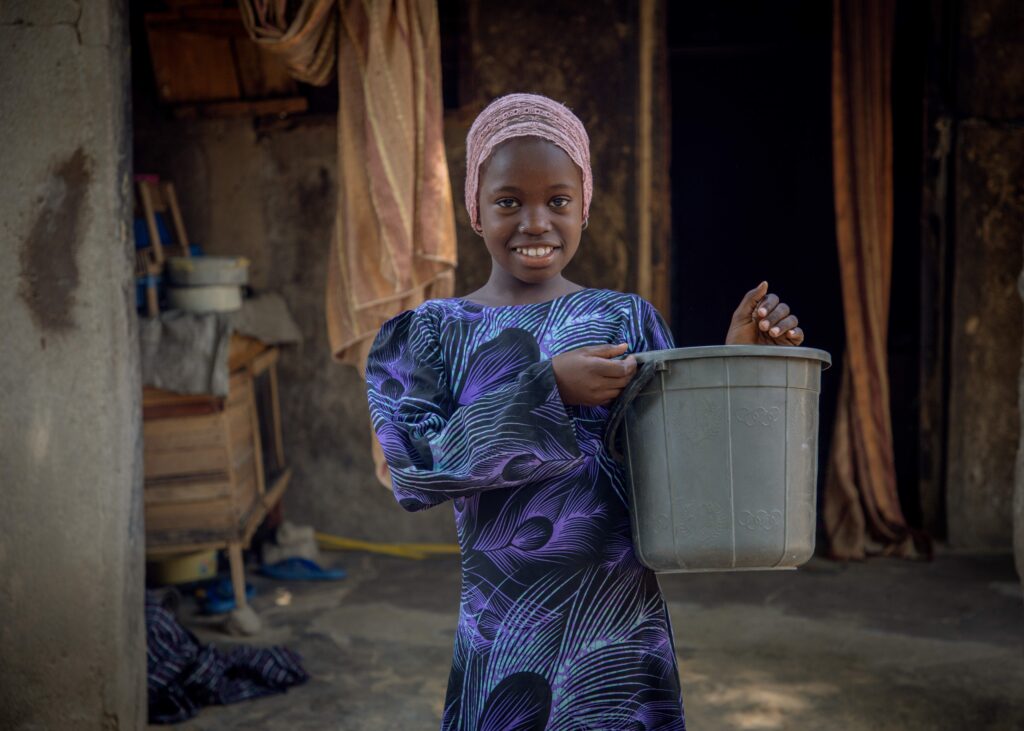
For a long time, Maryam’s mornings were shaped by a heavy question: Will I make it to school on time today?

Even though Maryam lives just a short walk from her community’s water point, getting water for her family was never easy. The old manual hand pump was slow, unreliable, and frequently broke down. Every morning before sunrise, a long line of women and children would gather, waiting hours just to fill a single bucket.

For a young girl with big dreams for her education, those lost hours meant rushing, stress, and often walking into class late and exhausted.

Living close to a water source doesn’t mean much if you spend your morning standing in a line.

Building a Lasting Solution

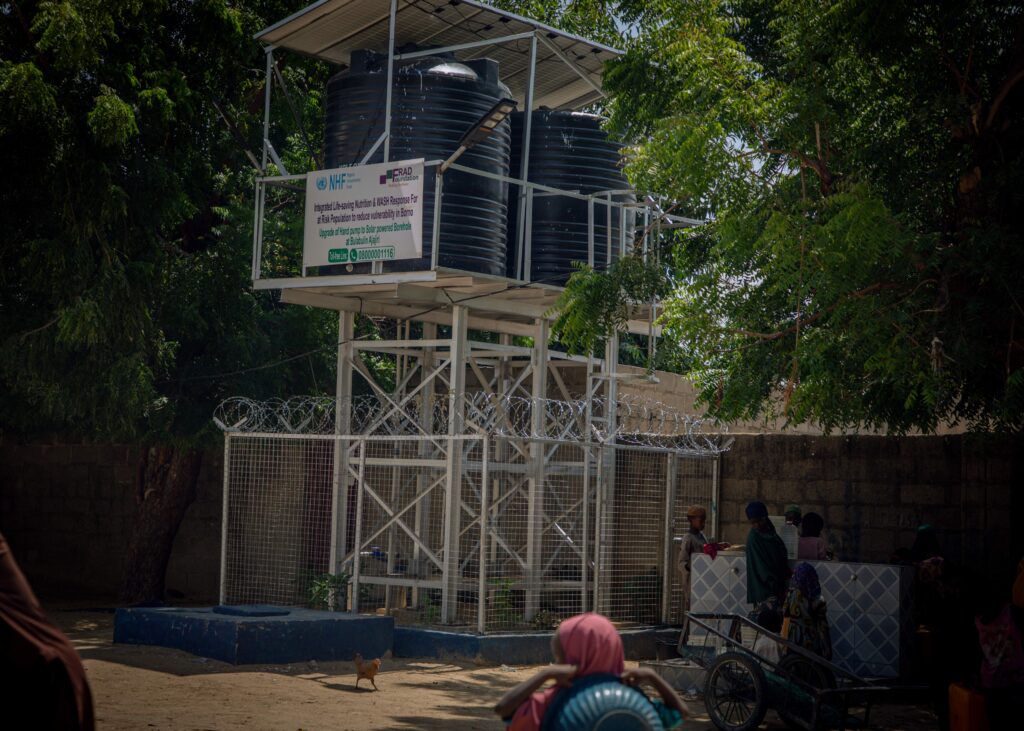
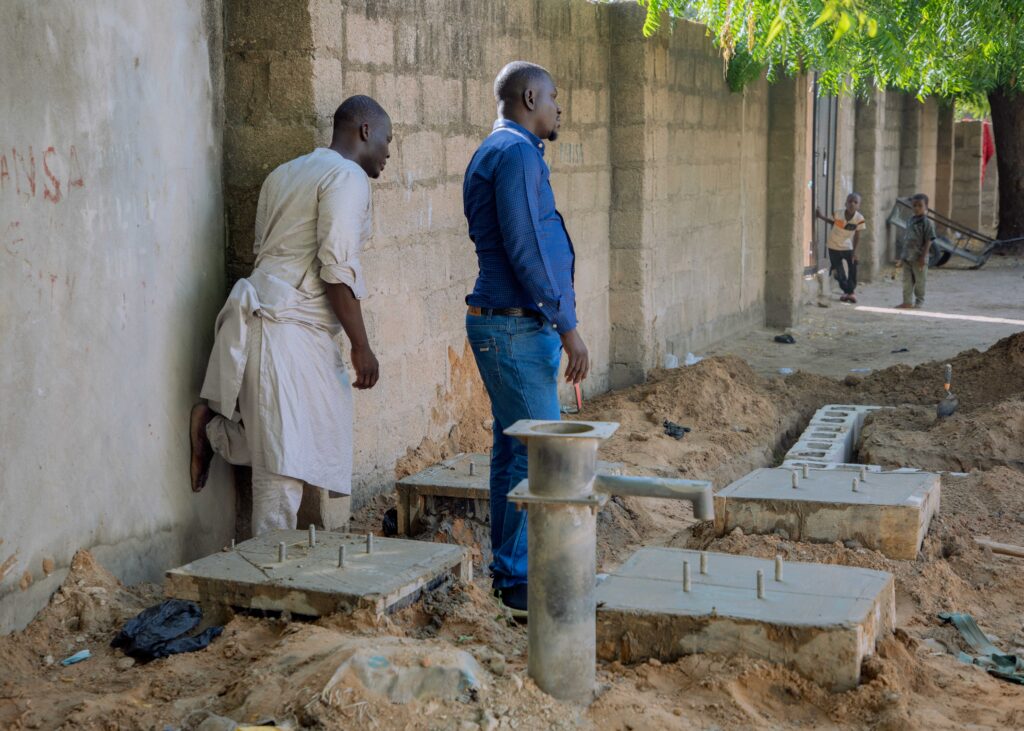
Realizing that simple repairs were no longer enough, our team got to work with support from the Nigerian Humanitarian Fund #NHF. Upgrading an old manual pump into a modern solar borehole takes real engineering effort from mounting the solar panels to laying down new pipes and installing reliable tap stands. Every bolt tightened during construction was a step toward giving this community and girls like Maryam their time back.

A Turn of the Tap

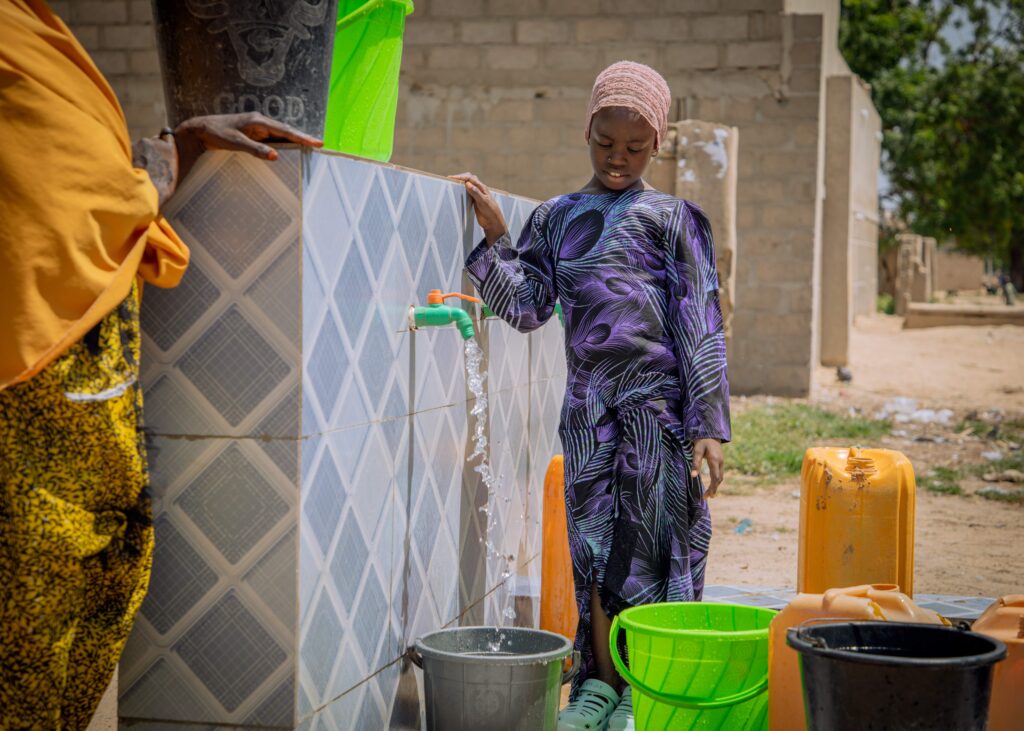
Everything changed once the solar system went live. Now, safe drinking water flows continuously right outside Maryam’s doorstep. Instead of taking turns pushing a heavy lever and waiting for a trickling stream, getting water is as simple as turning a tap.

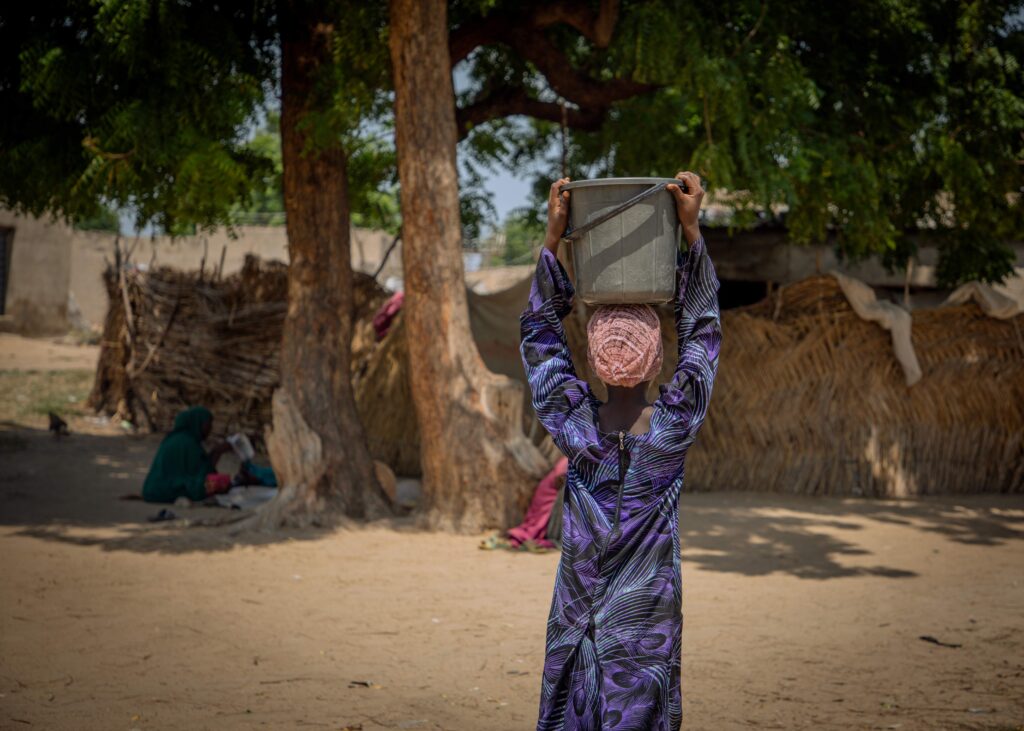
What used to take hours now takes just a few seconds. Maryam walks out of her compound with an empty bucket, fills it effortlessly, and walks right back home all in a matter of minutes.

Saving Time, Protecting Education.

The real impact of clean water isn’t just what comes out of the pipe. It’s what Maryam gets to do with the time she saved.

Because she no longer wastes her mornings queuing at a pump, her daily routine looks completely different:

  • She gets her family’s water supply without stress.

  • She fills her clean water bottle to stay hydrated during class.

  • She puts on her school uniform and walks into school on time, ready to learn.

When water is accessible and fast, girls don’t have to choose between helping their families at home and getting an education.

Water Near Home, Hope for the Future

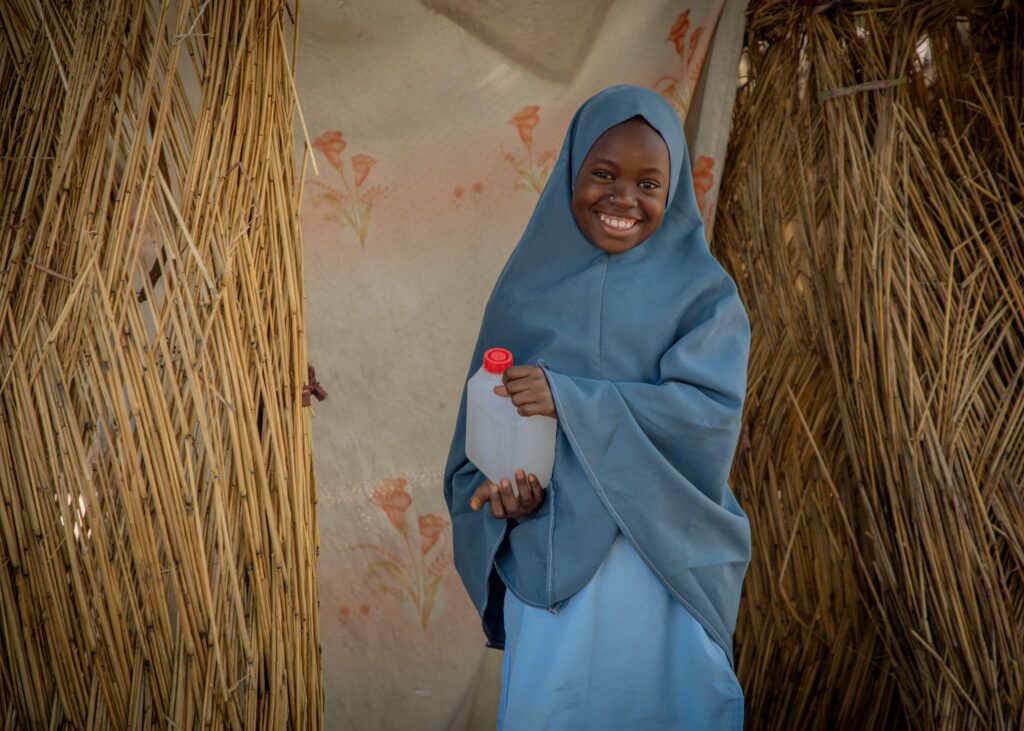
Today, Maryam holds her water bottle proud, healthy, and focused on her studies. Upgrading to a solar borehole brought safe water directly to her neighborhood and in doing so, it gave Maryam her time, her energy, and her future back.

This critical infrastructure upgrade was made possible through the support of the Nigeria Humanitarian Fund (NHF), ensuring that communities across Borno State have sustainable, dignified access to clean water and health

Coordination

Shoulder to Shoulder: How Joint Supportive Supervision is Strengthening Frontline Response in Borno State

Behind every successful humanitarian intervention are the frontline workers who show up daily to save lives. They are the backbone of our response, operating in challenging environments to ensure vulnerable families receive critical care.

To ensure these teams have the structural support they need to thrive, the FRAD Foundation, in close partnership with ELELA-CARE Humanitarian and Development Organization and local health authorities, recently concluded a comprehensive Joint Supportive Supervision exercise. The deployment spanned our implementation across our area of implementations.

This initiative represents a deliberate shift away from traditional, top-down oversight. Instead, it focuses on a partnership model—standing shoulder-to-shoulder with local responders to strengthen delivery systems from the ground up.

Moving Beyond Checklists to Hands-On Mentorship

Real impact is built through shared accountability, listening, and practical, on-the-job guidance. Rather than pointing out mistakes from behind a desk, our joint teams spent days embedded at service sites, working hand-in-hand with frontline health workers to solve operational problems in real time.

During the visits, the joint teams focused on three critical operational pillars:

  • Identifying and fixing immediate logistical gaps to ensure that essential nutrition commodities and Water, Sanitation, and Hygiene (WASH) supplies are always available when communities need them most.

  • Smoothing out the pathways between communities and health facilities to ensure severe cases are identified, tracked, and treated without delay.

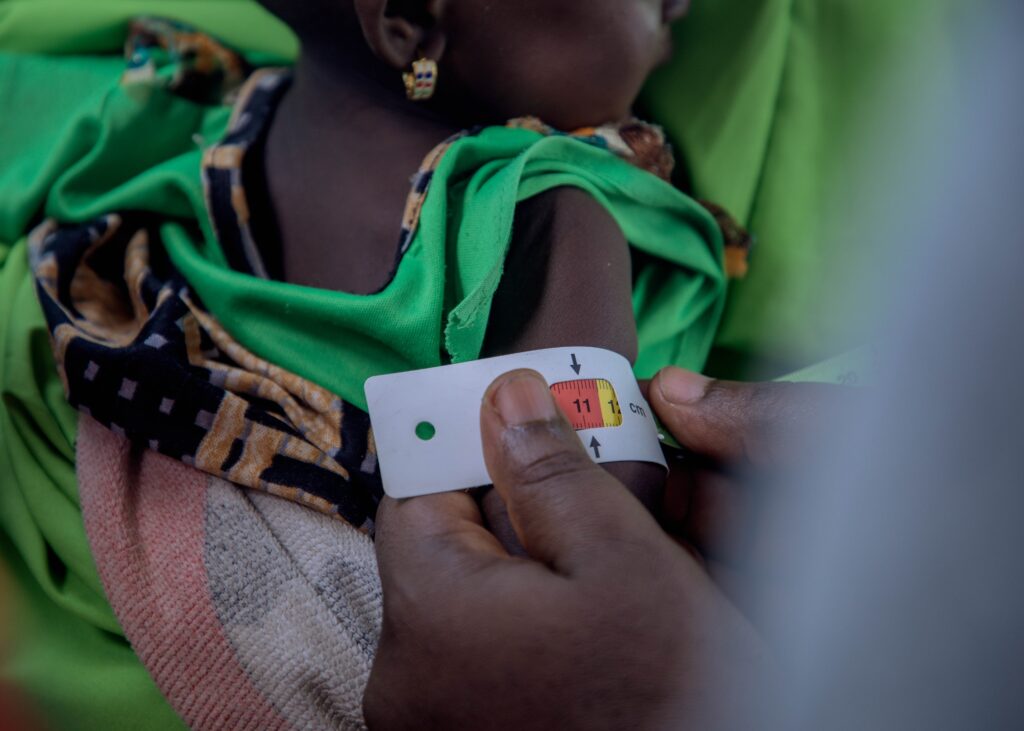
  • Providing direct clinical mentorship to reinforce high standards of care for vulnerable children and families experiencing acute malnutrition.

A vital component of this exercise took place after the clinical evaluations. The joint teams sat down with community stakeholders and local leaders to gather honest, direct feedback.

We believe that interventions are only as resilient as the community’s trust in them. By listening to the people we serve, we gain the insights necessary to continuously adapt, improve, and refine our approach to meet the evolving realities on the ground. By mentoring teams right at the clinics and validating our progress with the community, we are ensuring these life-saving services remain strong, reliable, and sustainable for the long haul.

This vital, life-saving work is made possible through the continued trust and funding of the Nigerian Humanitarian Fund (NHF) – OCHA. Their investment goes beyond financing—it empowers local actors to build resilient health frameworks and deliver sustainable care exactly where it is needed most.

To our frontline workers, our partners at ELELA-CARE, local health authorities, and the NHF: thank you for your unwavering commitment to building a safer, healthier, and more resilient future.

353A4046
Uncategorized

Beyond Temporary Relief: Partnering with Communities for Sustainable Public Health in Borno State

"True sustainability isn't about doing the work for a community but partnering with them so they can protect their own future."

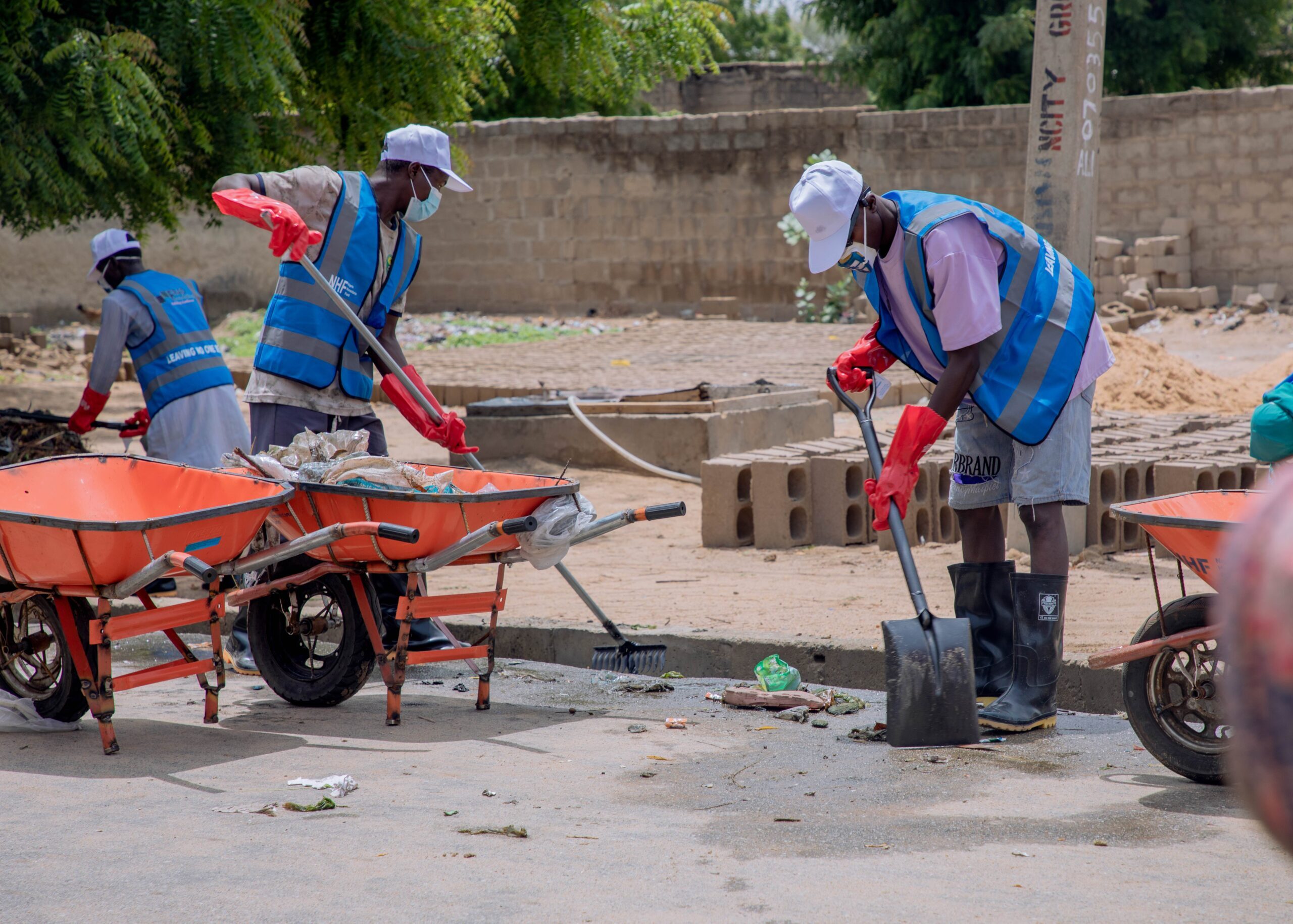
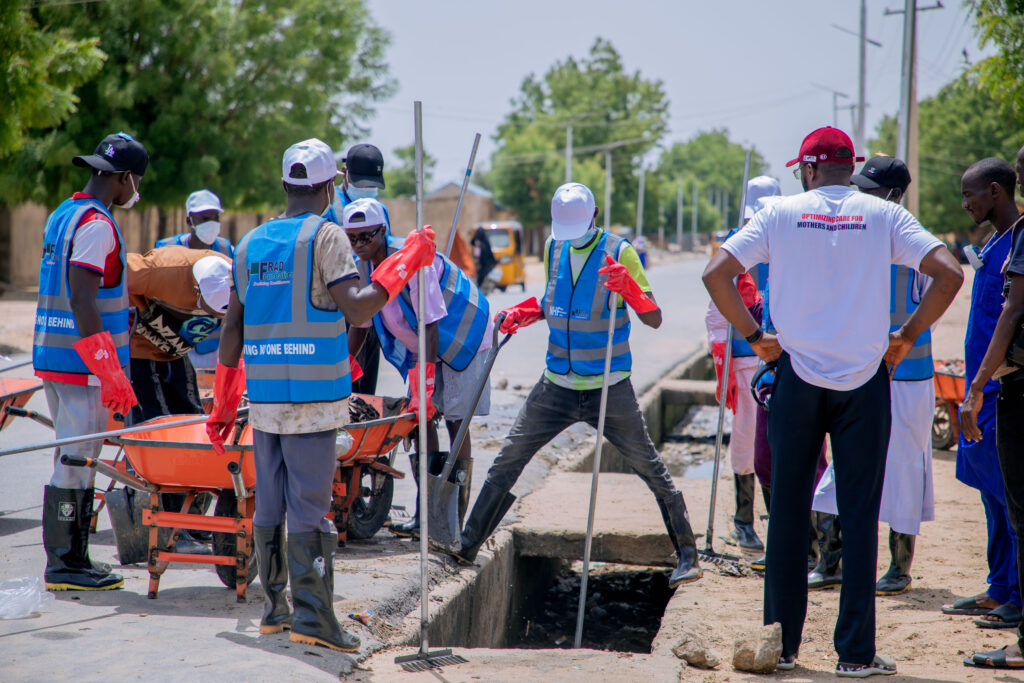
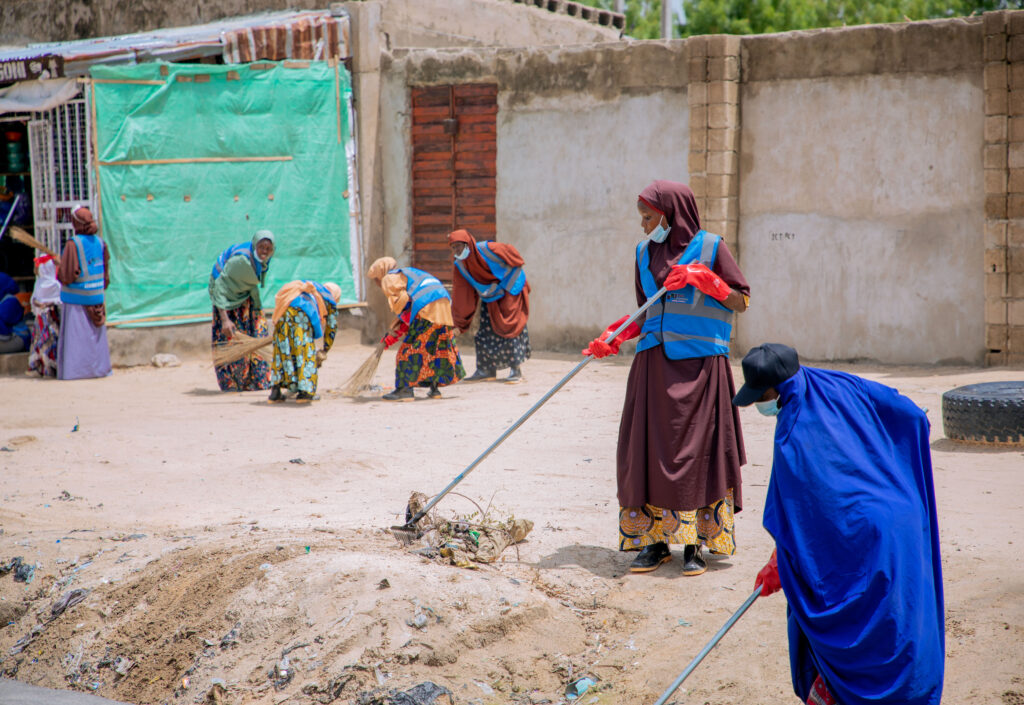
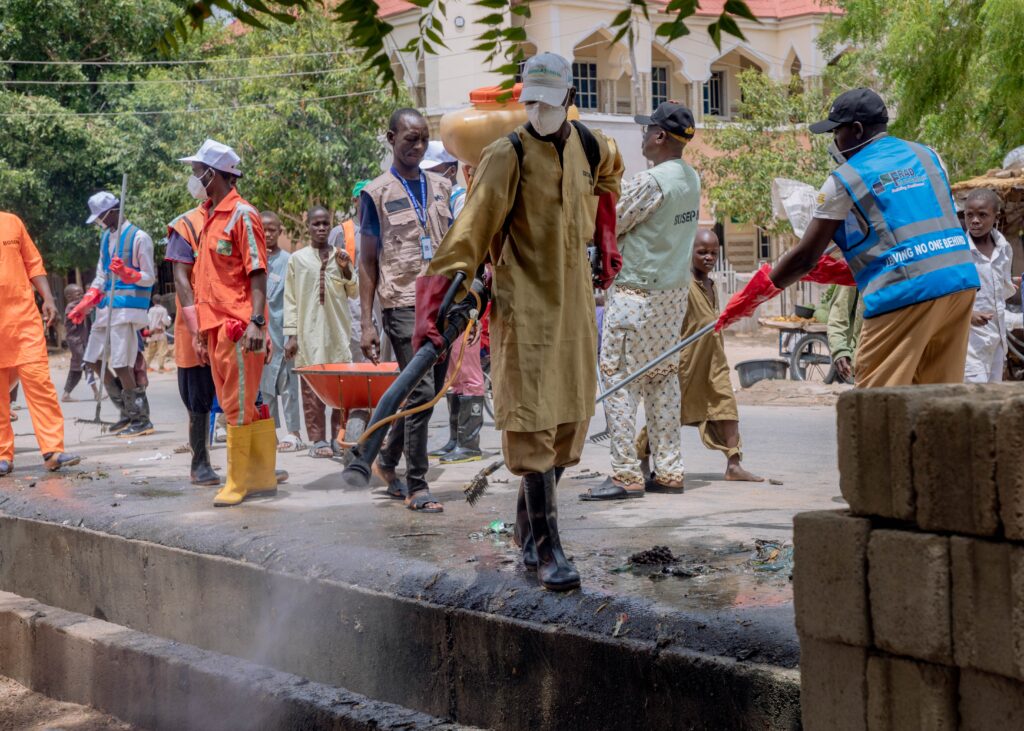
This core principle marks the driving force behind a vital new public health intervention in Borno State. FRAD Foundation officially commenced a five-day, intensive Cash-for-Work sanitation campaign in the Muna Kumburi community of Jere LGA.

With generous support from the Nigeria Humanitarian Fund (NHF) / OCHA Funds, this campaign represents the first phase of a broader strategic push. The intervention is slated to scale up and roll out to other critical communities, including Bulabulin Ngarannam in MMC and Njimtilo in Konduga.

Institutional Backing for Long-Term Impact

This kickoff was not just a grassroots effort; it represents a unified strategy between humanitarian actors and local authorities.

Their direct involvement ensures that these community-driven environmental actions are fully aligned with state-level environmental frameworks, ensuring transparency, operational efficiency, and structural continuity.

Shifting from Dependency to Local Stewardship.

Instead of relying on short-term external fixes that disappear once humanitarian actors leave, this project invests directly in localization and community stewardship. By employing local residents through a structured Cash-for-Work mechanism, the initiative simultaneously injects vital economic support into vulnerable households while assigning environmental management back to the community.

Over the course of this five-day program, teams are actively working on:

  • Intensive Drainage Cleaning: Restoring the functionality of vital drainage systems to prevent water stagnation.

  • Vector Control: Eliminating active breeding sites for mosquitoes and other disease-carrying pests.

Breaking the Cycle of Seasonal Health Crises

By training and equipping community members to manage their own drainage networks and vector control, this NHF-supported intervention moves beyond a temporary cleanup into a self-sustaining model of disease prevention.

While these actions provide an immediate, critical shield against deadly waterborne outbreaks like cholera and Acute Watery Diarrhoea (AWD), the true value lies in the human capital left behind. By the end of this campaign, the community will possess the tools, knowledge, and collective habits required to break the cycle of seasonal health crises—ensuring public health in Borno State is protected for years to come.

1Z2A2510
Uncategorized

Moving Policy to Action: Borno State GBV Sector SOPs Officially Validated

Standardized protection is no longer just a goal for Borno State but now an actionable reality. ​

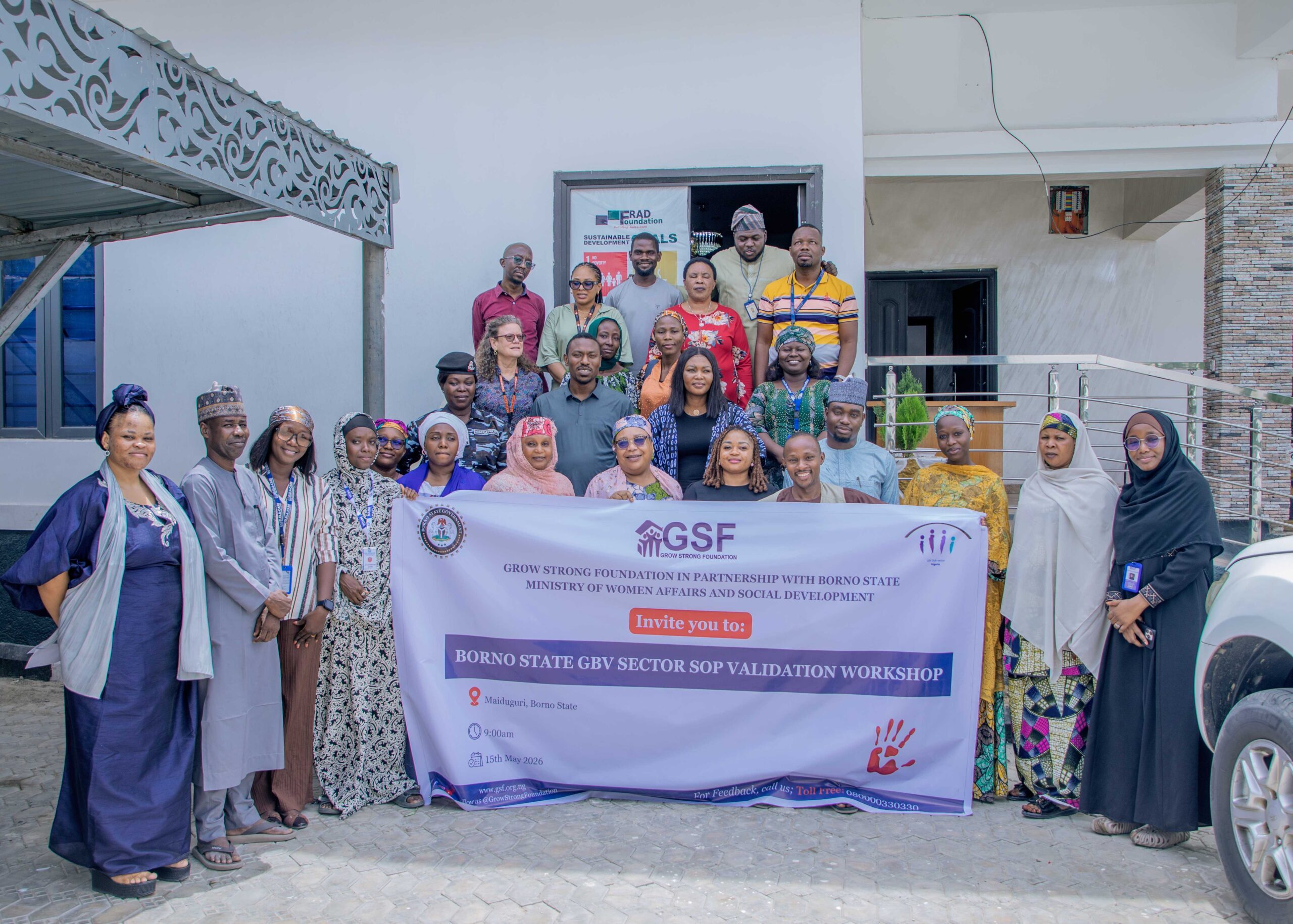
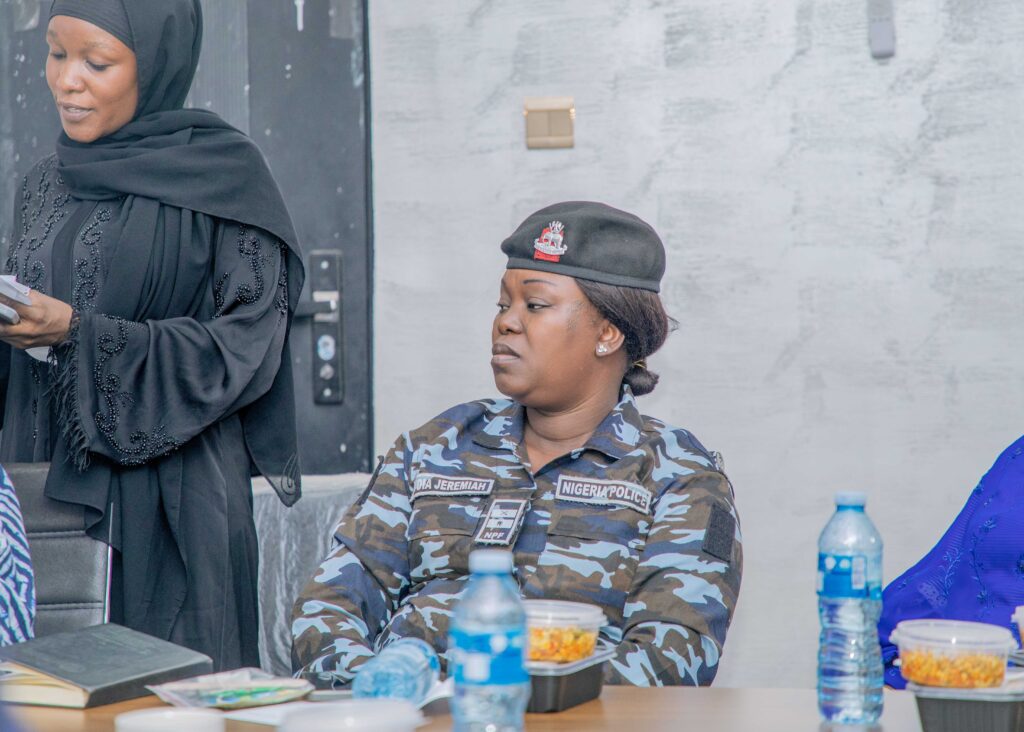
We are proud to announce the successful completion of the Borno State Gender-Based Violence (GBV) Sector Standard Operating Procedures (SOP) Validation Workshop. Held in Maiduguri, Borno State, this pivotal event marks a significant milestone in our collective mission to protect vulnerable populations and institutionalize survivor-centered care.

The high-level workshop was organized by the Grow Strong Foundation (GSF) in close partnership with the Borno State Ministry of Women Affairs and Social Development.

Strengthening the Response Framework

The primary objective of the workshop was to review, refine, and formally validate the updated GBV Sector SOPs. These guidelines serve as the structural backbone for all humanitarian and development actors operating in the region, ensuring that response mechanisms are unified, efficient, and deeply rooted in the best interests of survivors.

By establishing these clear, multi-sectoral protocols, the updated SOPs will:

  • Enhance Coordination: Seamlessly link medical, legal, psychosocial, and security response channels.

  • Standardize Care: Ensure every survivor receives the same high quality of dignified, confidential, and timely support.

  • Increase Accountability: Define clear roles and responsibilities for state actors, local NGOs, and international partners.

"By finalizing these protocols, we are transitioning from policy to practice, ensuring that our collective response is not just rapid, but structurally sound and survivor-centered."

A Collaborative Achievement

This milestone would not have been possible without the dedication of our community leaders, civil society organizations, and ministry representatives. Their diverse expertise and field insights have shaped a document that genuinely reflects the realities and needs on the ground.

As we move into the implementation phase, our focus shifts to training field actors and rolling out these guidelines across all local government areas (LGAs) to ensure a safer, more responsive environment for everyone in Borno State.

For more updates on our protection programs and upcoming initiatives, follow us on our social media channels.

1Z2A0002
Uncategorized

Resilient Kitchens: Turning Local Foods into Lifelines

Empowering Caregivers to Fight Malnutrition in Konduga, MMC, and Magumeri.

With food insecurity making things incredibly tough for so many families right now, knowing how to stretch a meal isn’t just a useful skill but everything.

As vulnerable households navigate these challenging times, finding sustainable, accessible ways to protect children’s health is more critical than ever. Recognizing this urgent need, the Future Resilience and Development Foundation (FRAD) recently took direct action to support families where it matters most: their kitchens.

Bringing Nutrition to the Doorstep: What Happened?

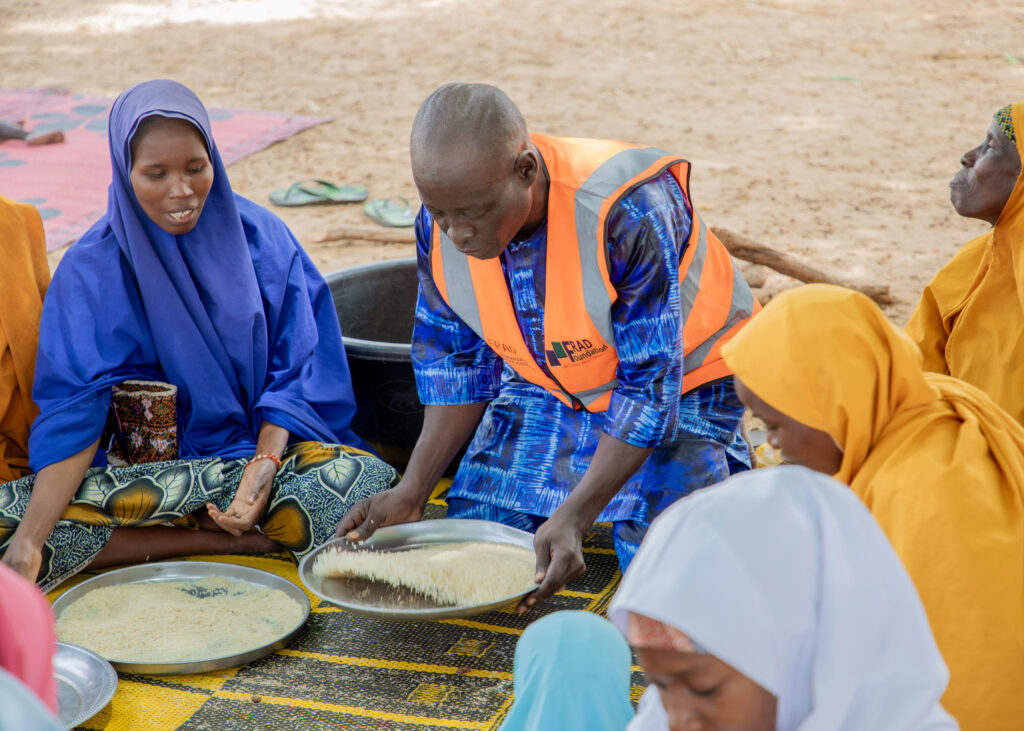
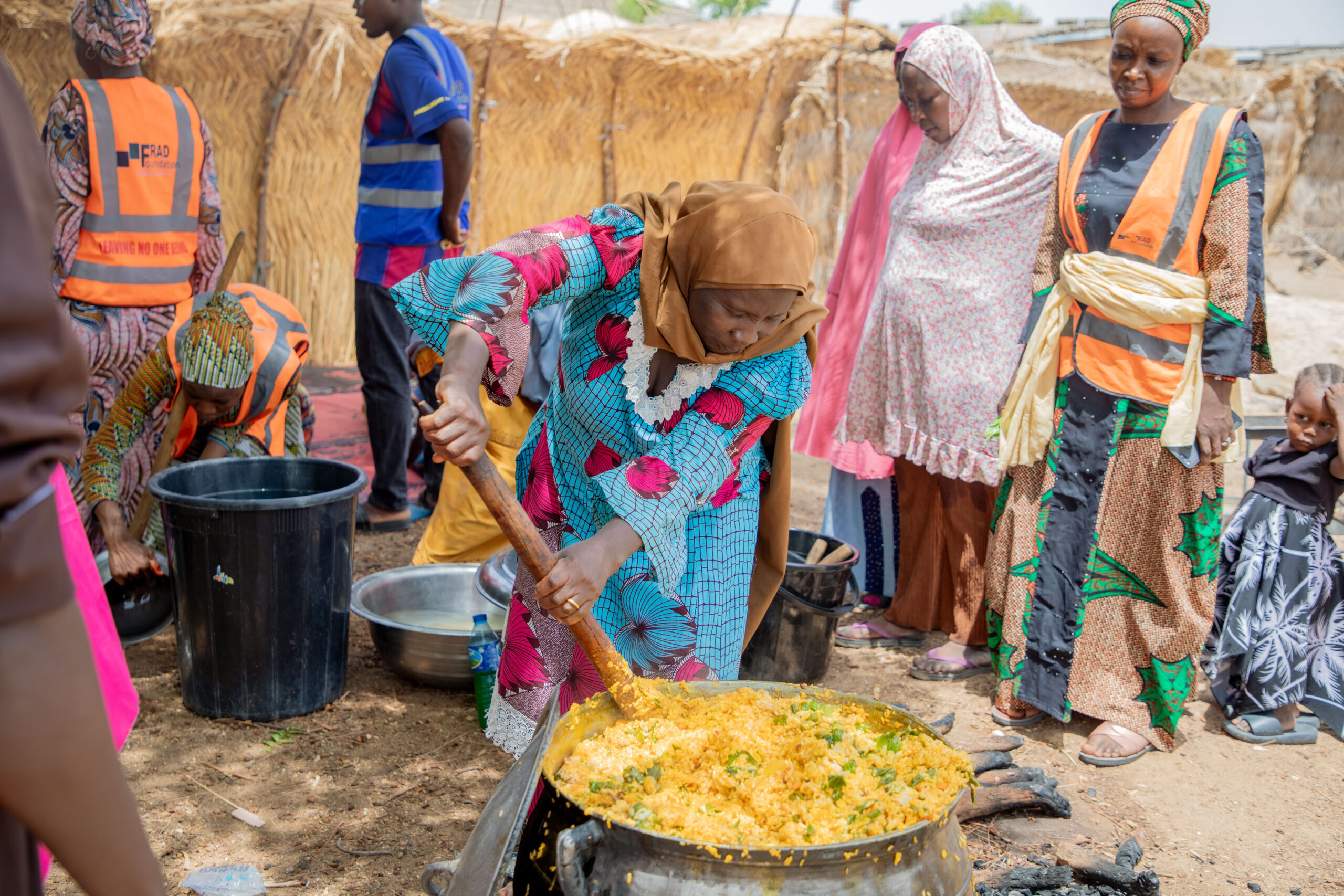
FRAD hosted interactive, hands-on cooking demonstrations across its implementing communities in the Konduga, MMC, and Magumeri Local Government Areas (LGAs).

The goal was simple yet powerful: show caregivers how to use affordable, locally available ingredients to create nutrient-dense meals that shield their children from the devastating impacts of malnutrition.

Beyond the Recipe: Holistic Care

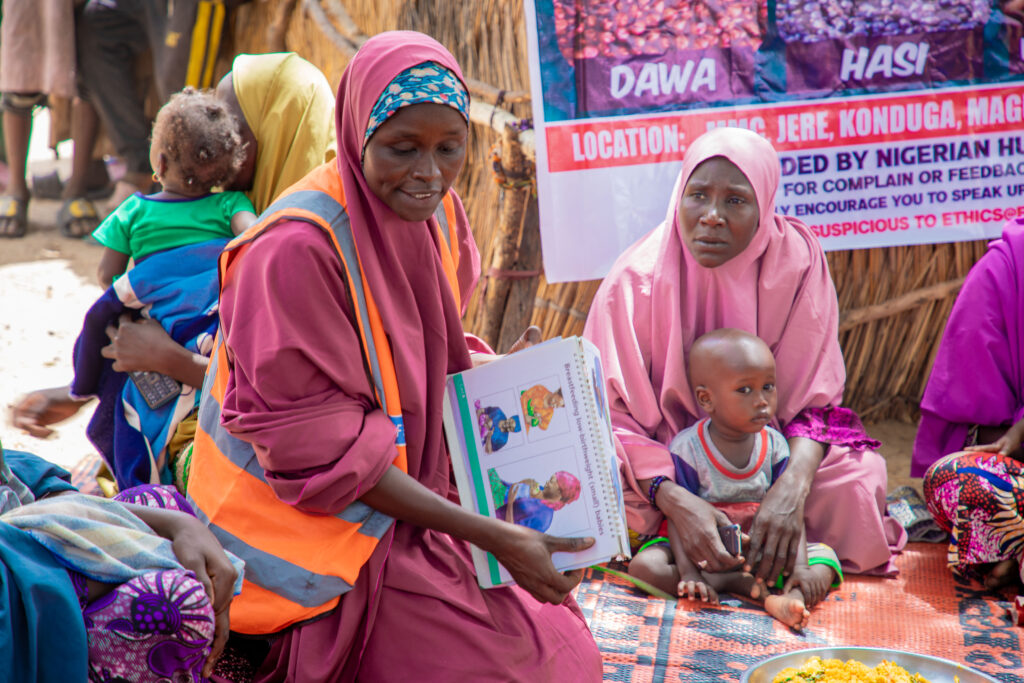
These sessions weren’t just about cooking. They served as a vital platform to engage directly with caregivers on the fundamentals of long-term family well-being. The demonstrations emphasized:

  • Healthy Feeding Practices: Maximize the nutritional value of every meal.

  • Hygiene & Sanitation: Prevent illnesses that can worsen malnutrition.

  • Balanced Diets: Understand how to combine local ingredients to ensure children get the vitamins and minerals they need to thrive.

The Reality Check: Malnutrition is both preventable and treatable. However, as families face increasing food insecurity, more support is urgently needed to ensure vulnerable children receive life-saving care and nutrition assistance during the difficult months ahead.

Why Local Solutions Matter

When resources are scarce, relying on expensive, imported, or hard-to-find nutritional supplements isn’t a sustainable strategy for everyday families. By focusing on locally available foods, FRAD is empowering caregivers with practical knowledge they can actually use tomorrow morning.

It turns out that building resilience doesn’t always require complex solutions; sometimes, it starts with a pot, a fire, and the right combination of local crops.

Our Ongoing Commitment

Through sustained community engagement and targeted, nutrition-focused interventions, the Future Resilience and Development Foundation remains deeply committed to empowering households. We believe in providing sustainable solutions that don’t just offer temporary relief, but permanently improve nutrition outcomes and save lives.

We cannot do this alone. The road ahead is challenging, but together, we can ensure that no child is left behind to face hunger in the dark.

Building Resilience, Leaving No One Behind

Babagana’s story of recovery

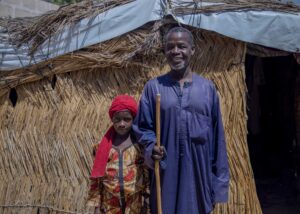
 Babagana Aribe stands with his daugher outside the thatched shelter he rebuilt using part of the cash assistance. Photo: Vashawa Innocent Paul/FRAD When an attack destroyed
Read More »
Screenshot 2026-05-22 114003
FOOD AND WATER

From Clinical Care to Household Resilience: Our Post-Discharge Support.

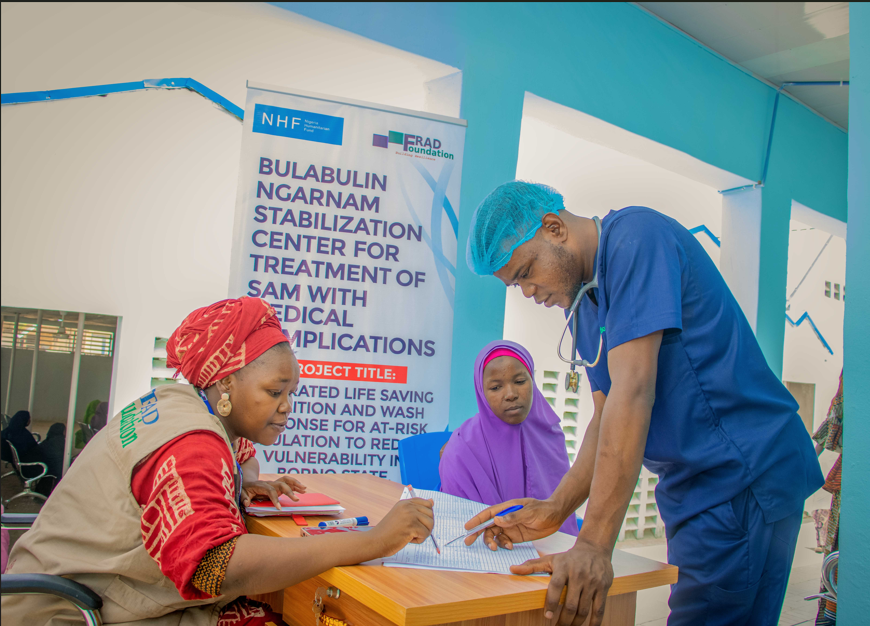
At our Stabilisation Center, medical treatment is only the first step in a child’s recovery from severe acute malnutrition. While our clinical teams work around the clock to manage critical medical complications and get children out of immediate danger, we know that the true foundation for long-term health is built at home. Lasting recovery requires a holistic approach that extends beyond the hospital walls and directly into the community.

Empowering Caregivers Through Practical Knowledge

Before families transition out of our care, we partner closely with caregivers through practical, interactive sessions focused on nutrition, infant and young child feeding practices, and health hygiene. This ensures that the recovery started in our facility is sustained by the families themselves, using local resources.

Restoring Comfort with Dignity Kits

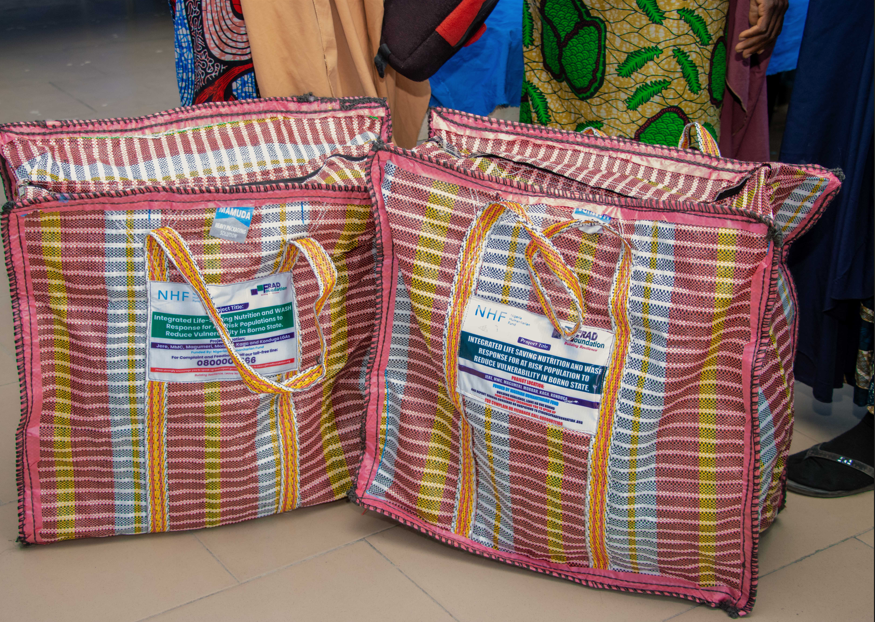
To fully support caregivers as they return home, we provide them with dignity kits upon discharge. These kits ensure that essential personal hygiene and health needs are met with privacy, comfort, and respect, easing the transition back into the community.

Promoting Autonomy Through Cash and Voucher Assistance (CVA)

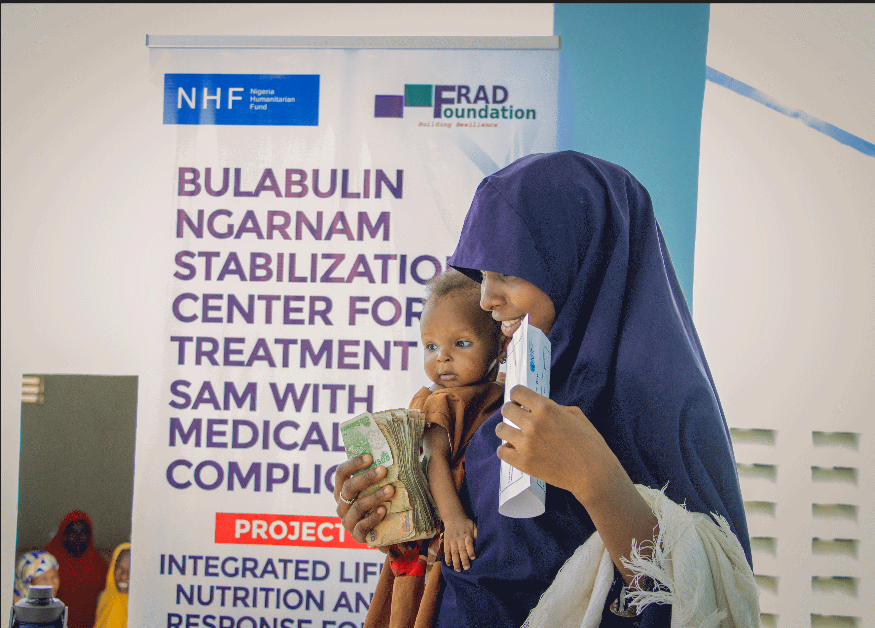
Alongside hygiene support, families receive Cash and Voucher Assistance (CVA). This financial support respects the autonomy of families, providing them with the direct purchasing power and flexibility to make their own choices. By equipping caregivers with the financial agency to buy diverse, nutrient-dense foods, we support them as they lead the way toward their household’s long-term well-being and food security.

IMG_2607
Coordination

Commissioning of Stabilization Center in Nganaram Bulabulin, Borno State.

Stabilization Center in Nganaram Bulabulin, Borno State.

A Major Milestone in Strengthening Nutrition Response in Borno State

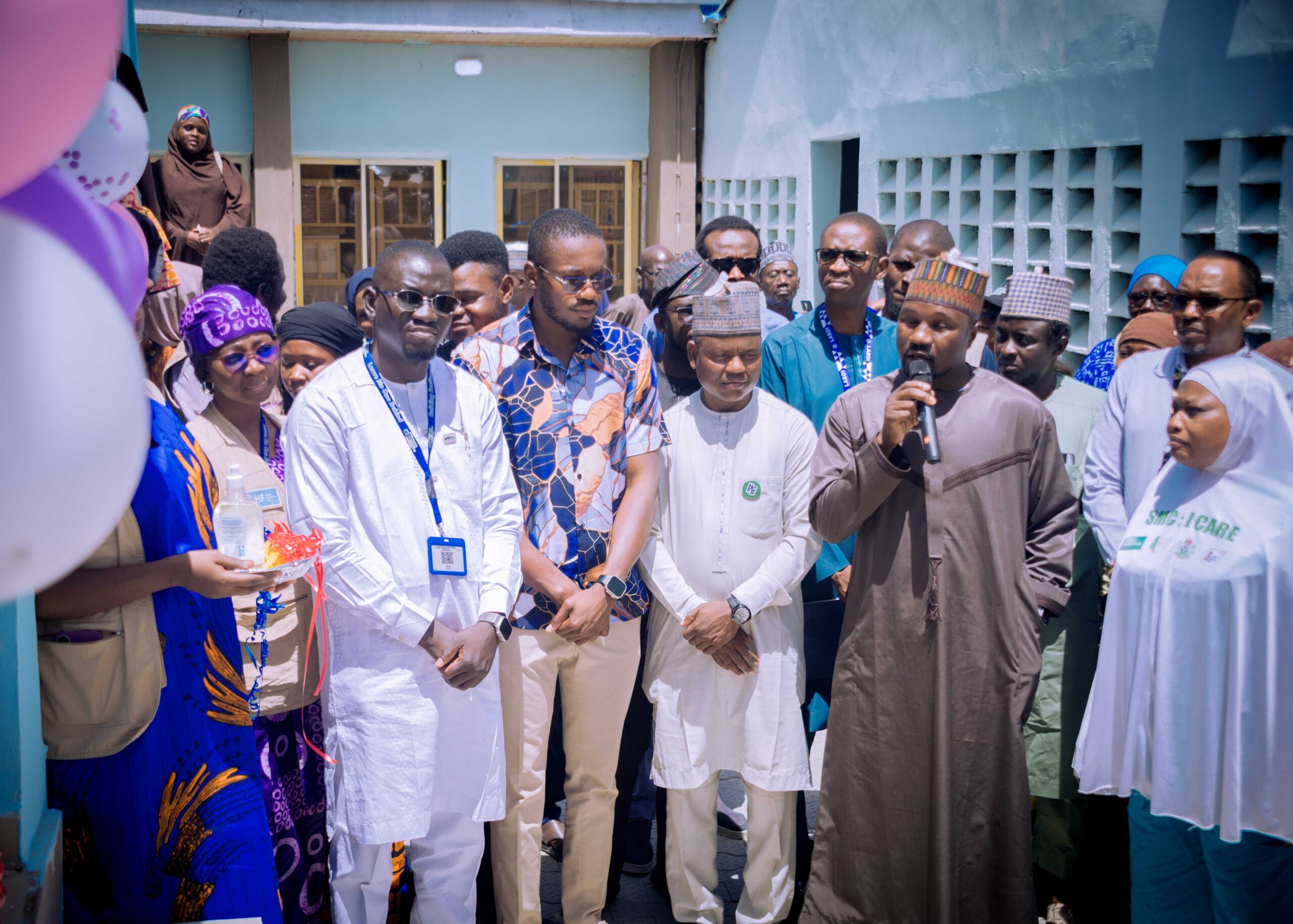
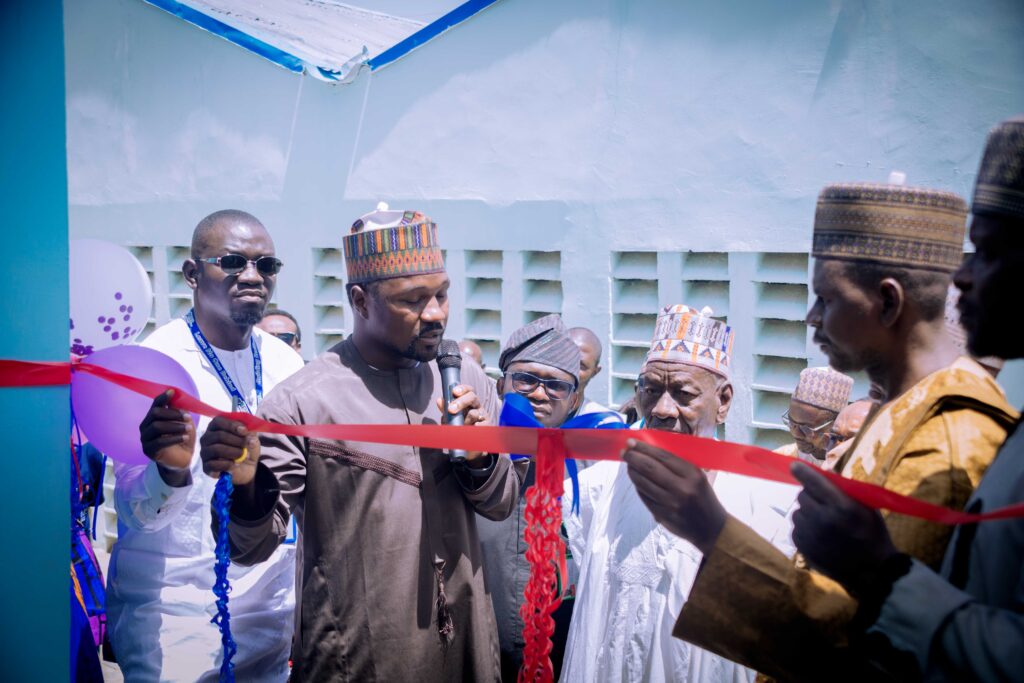
FRAD Foundation has reached a significant milestone in its mission to save lives and strengthen health systems in Northeast Nigeria with the official launch of a fully rehabilitated and equipped Stabilization Center in Nganaram Bulabulin, Borno State.

The facility, commissioned on 30th April 2026, represents a critical expansion of access to lifesaving care for children suffering from Severe Acute Malnutrition (SAM) with complications—one of the leading causes of child mortality in crisis-affected settings.

A Collaborative Effort for Life-Saving Impact

The commissioning ceremony brought together key stakeholders, including representatives from government institutions, humanitarian partners, and community leaders. Their presence underscored the importance of collaboration in addressing complex health and nutrition challenges.


FRAD Foundation extends its sincere appreciation to United Nations OCHA Nigeria (OCHA Funds) for their vital support in making this intervention possible.

A Facility Designed for Comprehensive Care

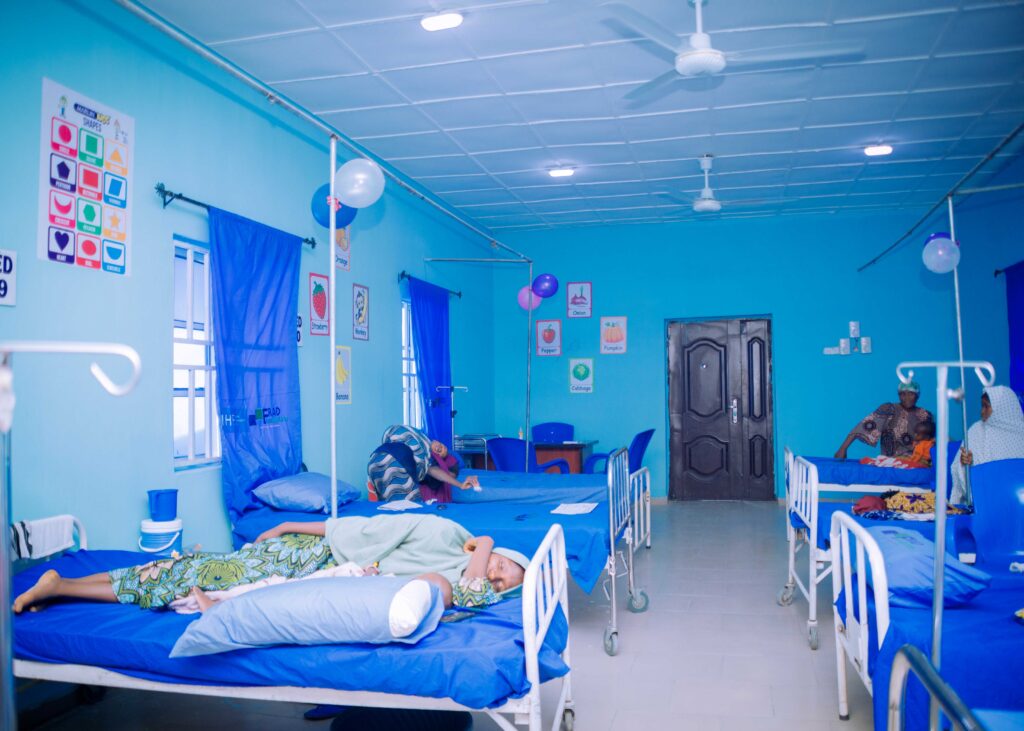
The Stabilization Center has been carefully designed and equipped to provide specialized and high-quality care for children in critical condition. Key features of the facility include:

  • Admission, triage, and nursing stations
  • Phase 1 and Phase 2 treatment wards
  • Intensive Care Unit (ICU)
  • Pharmacy and nutrition/feeding units
  • Functional WASH facilities and support systems

During the guided tour, stakeholders expressed strong satisfaction with the quality and standards of the facility, confirming its readiness to deliver effective and life-saving treatment services.

More Than Infrastructure — A Lifeline for Children

This intervention goes beyond the construction and rehabilitation of a health facility. It represents a lifeline for vulnerable children and families, ensuring that those suffering from complicated malnutrition receive timely, appropriate, and quality care.

By strengthening access to treatment, the Stabilization Center is expected to significantly reduce preventable deaths and improve recovery outcomes among children in Borno State.

Sustaining Impact Through Partnership

While this milestone marks important progress, sustaining its impact will require continued commitment and collaboration. Ensuring the uninterrupted supply of essential drugs and therapeutic feeds, strengthening the capacity of health workers, and maintaining effective coordination among partners will be critical to the long-term success of the facility.

A Call for Continued Support

FRAD Foundation calls on partners, donors, and stakeholders to continue supporting efforts to scale lifesaving nutrition services across the region. Together, we can expand access, strengthen systems, and ensure that no child is left behind.

353A9039
WASH

World Water Day

We join the world in commemorating World Water Day, a reminder that water is life, and access to safe and clean water is a basic human right.
 
At FRAD Foundation, we remain committed to building resilient communities by improving access to sustainable water solutions, especially for vulnerable populations. Every drop counts, and every effort matters in ensuring that no one is left behind.
 
Together, let’s protect our water resources, promote hygiene, and support initiatives that bring safe water closer to those who need it most.
Building Resilience, Leave No One Behind
 
While we celebrate progress, many communities still face the daily reality of unsafe and limited access to clean water. Behind every drop is a story of resilience, strength, and hope.
 
FRAD Foundation reaffirms its commitment to improving access to safe, sustainable, and equitable WASH services for vulnerable communities in Gwoza LGA, Borno State. In North-East Nigeria, where access to safe water remains a critical challenge, FRAD Foundation is implementing impactful WASH interventions by upgrading hand pump boreholes into solar-powered motorized systems. This initiative significantly improves water availability, reduces long waiting times, and ensures reliable access to safe water for households, particularly in hard-to-reach and conflict-affected communities. The adoption of solar technology also promotes sustainability while reducing operational costs.
 
Alongside infrastructure development, FRAD Foundation continues to drive community-based hygiene promotion campaigns. Through sensitization sessions, household outreach, and collaboration with community leaders, we are strengthening awareness and encouraging positive practices such as proper handwashing, safe water handling, and improved sanitation behaviors.
 
Our approach prioritizes community engagement and ownership, ensuring that WASH facilities are effectively managed and sustained, while contributing to improved health outcomes and resilience.
As we commemorate this important day, we are reminded that access to safe water is not a privilege, but a fundamental human right. FRAD Foundation remains committed to advancing this goal, one community at a time.
353A0513
International Day Celebration

Celebrating International Women’s Day.

FRAD Foundation proudly joined the world in celebrating International Women’s Day.
 
The celebration provided an opportunity to recognize the strength, resilience, and invaluable contributions of women in our organization and across the communities we serve. Through reflection and dialogue, we reaffirmed our commitment to promoting gender equality, women’s empowerment, and inclusive development in all our programs and interventions.
 
As we mark this important day, we are reminded that empowering women is essential for building stronger families, resilient communities, and sustainable development.
Together, we continue to support and advocate for a future where every woman and girl has the opportunity to thrive, lead, and reach her full potential.

As part of the global celebration of International Women’s Day 2026, FRAD Foundation convened a Town hall meeting with partners and government officials to reflect on progress, strengthen collaboration, and reaffirm commitments toward advancing the rights and well-being of women and girls.
 
The meeting brought together key stakeholders to discuss collective actions aimed at promoting rights, justice, and meaningful support for women and girls, particularly survivors of conflict-related sexual violence in Borno State. It also served as a platform to highlight ongoing efforts under the Interim Reparative Measures (IRM) initiative and the importance of partnership in addressing the needs of survivors.
 
Through dialogue and shared commitment, participants emphasized the need for continued collaboration, stronger support systems, and inclusive policies that empower women and ensure their voices are heard.
 
Together, we reaffirm our commitment to building a future where every woman and girl enjoys equal rights, access to justice, and the freedom to live with dignity.
353A8966
WASH

FRAD Foundation Commissions Two (2) Solar-Powered Borehole in Gwoza LGA

Future Resilience and Development Foundation (FRAD Foundation) successfully commissioned and formally handed over a rehabilitated solar-powered motorized borehole to the Wakane and Gadamayo communities in Gwoza Local Government Area of Borno State.

The borehole rehabilitation forms part of FRAD Foundation’s ongoing commitment to improving access to safe and sustainable water sources for vulnerable communities affected by conflict and displacement.

A Ceremony Marked by Strong Partnerships

The commissioning ceremony was well attended by key stakeholders, including the Deputy Director from the Ministry of Works, representatives of the Emirate Council, the Waziri of Gwoza, community leaders, the WASH Lead, and partner organizations. Their presence underscored the strong collaboration between government institutions, development partners, and community structures in delivering impactful and sustainable WASH interventions.

This joint effort reflects a shared vision of strengthening essential services and promoting community resilience through coordinated action.

Community Appreciation and Goodwill

During the ceremony, the Waziri of Gwoza delivered a heartfelt goodwill message, expressing sincere appreciation to FRAD Foundation for the intervention. He commended the organization for its consistent dedication to improving access to safe water and supporting long-term community development in Gwoza LGA.

Community members also expressed gratitude, highlighting how the rehabilitated solar-powered system will significantly reduce the burden of water scarcity, especially for women and children who often travel long distances in search of water.

Restoring Dignity Through Sustainable WASH Solutions

The event concluded on a high note, marked by visible joy and optimism among residents of Wakane and Gadamayo. For the communities, the intervention is not just a water project—it is a life-changing solution that restores dignity, improves hygiene practices, and strengthens local resilience.

This successful commissioning demonstrates FRAD Foundation’s continued commitment to delivering sustainable, community-owned WASH interventions that create lasting impact and contribute to healthier, more resilient communities across Borno State.