


Coordination
19 OCT 2026 | GLOBAL
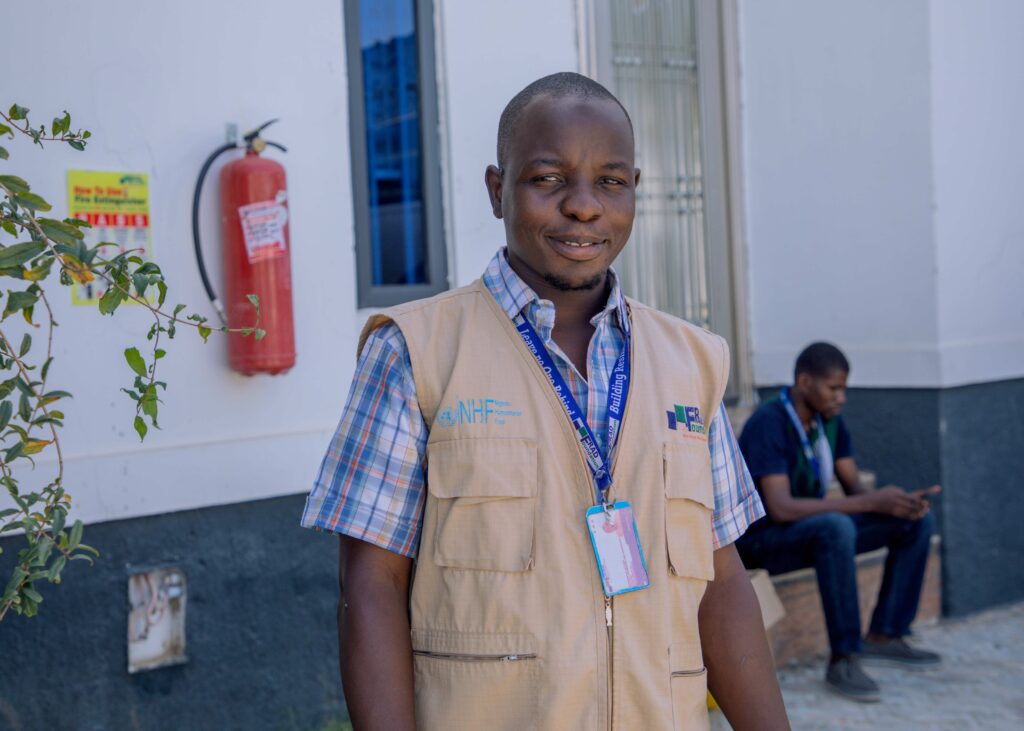
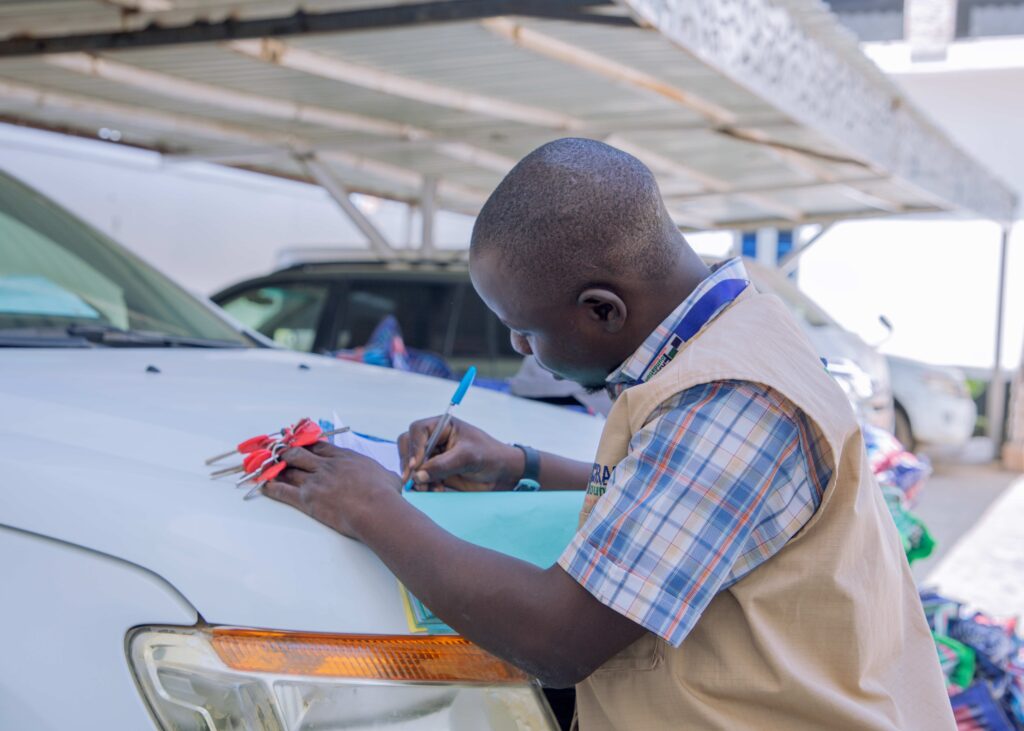
Inside the quiet, high-ceilinged warehouse, Mohammed Ali Biu works through rows of wooden pallets and stacked cardboard crates. As a Warehouse Assistant, his day revolves around stock sheets, expiry dates, and dispatch schedules. But when a cholera outbreak is reported, the atmosphere shifts fast.
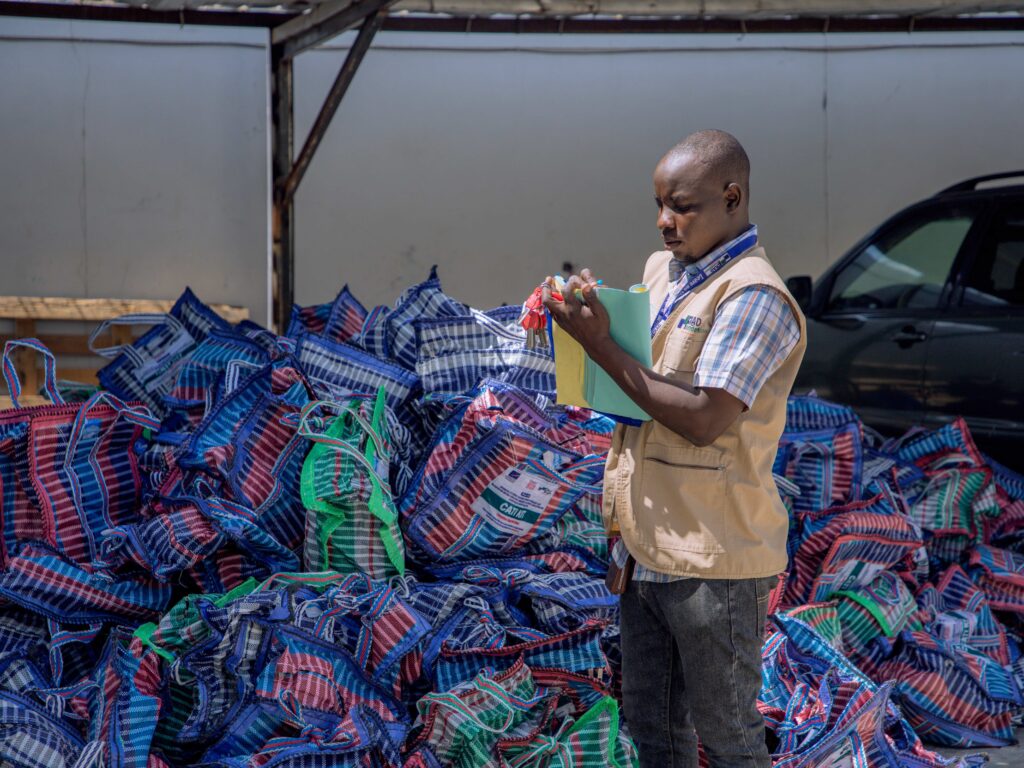
In those moments, Mohammed is responsible for prepping and loading Case-Area Targeted Intervention (CATI) kits supplies designed to create a quick ring of protection around households where cholera has been confirmed.
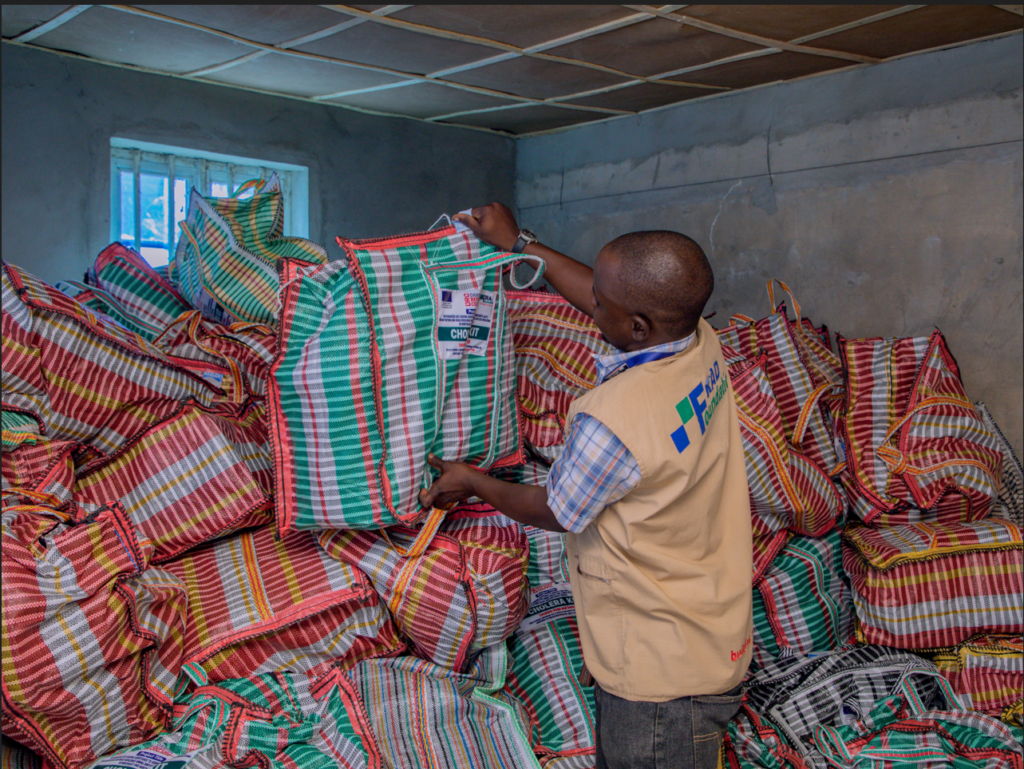
Each kit contains practical tools: water purification tablets, soap, buckets, oral rehydration salts, and disinfectant. If these kits arrive in time, health teams can treat affected households and disinfect surrounding homes before contamination spreads through an entire village.
For Mohammed, getting the details right inside the warehouse is directly linked to what happens out on the ground.
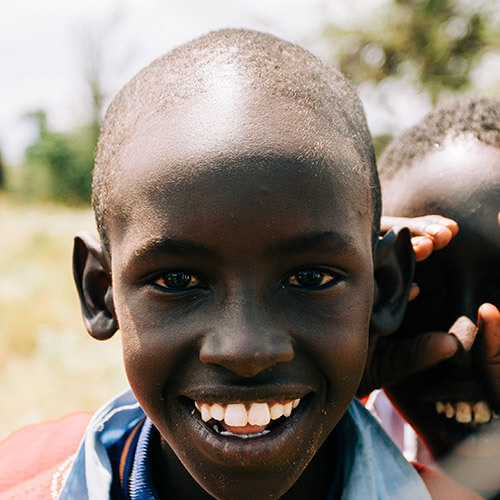
Behind every crate loaded onto a truck is a child who needs clean water, a family trying to stay safe from infection, and a field worker waiting for supplies to do their job.
When a call comes in for an emergency dispatch, there’s no room for delays or missing items,” Mohammed says. “You realize that a box sitting on a pallet here needs to be in a family’s hands miles away as quickly as possible.”
Mohammed Ali Biu
Getting trucks loaded and moving into remote, off-grid areas comes with plenty of headaches damaged roads, unpredictable weather, and tight supply timelines. But as the truck doors latch and the drivers start their engines, Mohammed knows the hard work of inventory and staging is about to pay off.
Keeping a warehouse running smoothly isn’t just about moving heavy boxes; it’s about keeping promises to the communities relying on aid. Accurate counts, proper storage, and fast loading ensure that resources aren’t wasted and that emergency responses actually work.
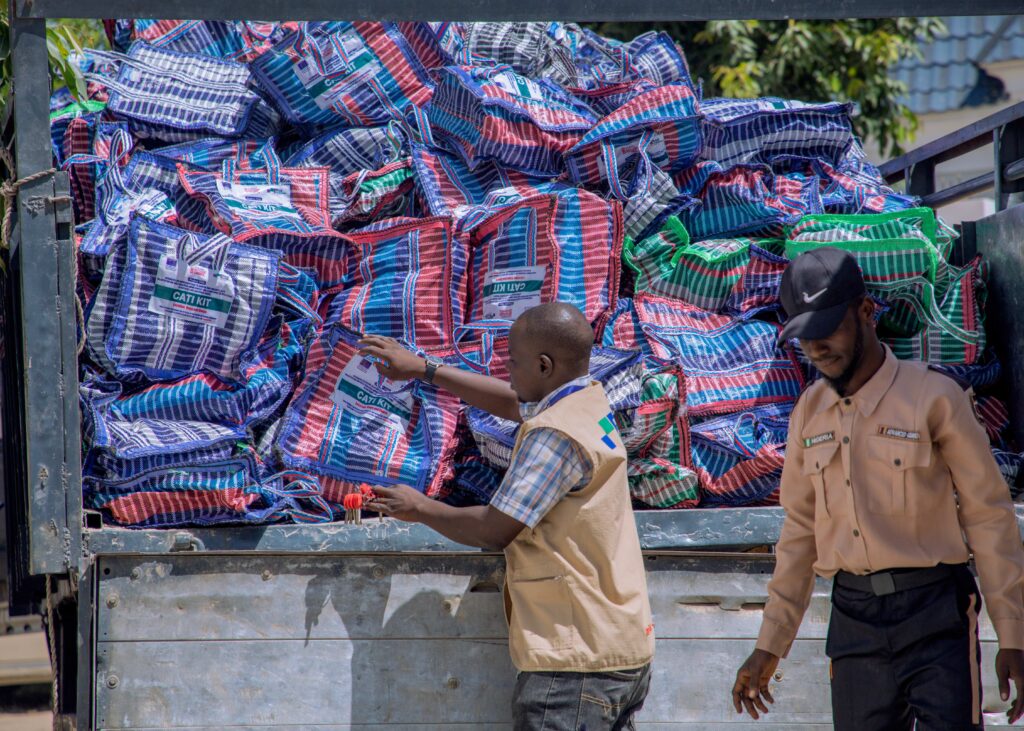
Field teams returning from emergency distributions often bring back simple messages from community leaders: “The kits got here right when we needed them most. We were able to stop the sickness from spreading to our neighbors.”
For Mohammed, those updates put everything into context. Behind the consignment notes, freight logs, and stack of pallets are real people whose health and safety depend on a reliable supply line.
Every child deserves clean water and a fair chance to grow up healthy. And for Mohammed, making sure those supplies leave the warehouse floor on time is his way of helping make that happen.

You’re doing well and I have interested on your foundation
You people are doing well and you’re the a best among the best of many foundations and trusted I like your own and I even interested on it . I want to work with you people
Good Job FRAD Foundation