

Contacts

No. 348 Jamaina road, Pompomari bypass, Maiduguri, Borno State.

info@fradfoundation.org

+234-9077255226 

Category: Stories

Stories of resilience from the people and communities FRAD Foundation works with.
1Z2A0006
GlobalStories

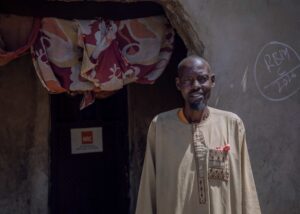
Restoring Health and Hope: How Timely Support Helped Ibrahim Focus on Recovery

Restoring Health and Hope: How Timely Support Helped Ibrahim Focus on Recovery

When you are the main provider for eight children, falling sick isn’t just a physical strain but also stops everything. That was the reality for Ibrahim Gujjah, who lives in a host community after leaving Mafa LGA.

For a long time, Ibrahim ran a small firewood business to feed his family. But when a serious health issue set in, the pain and fatigue made it impossible to keep working, cutting off his family’s only source of income.
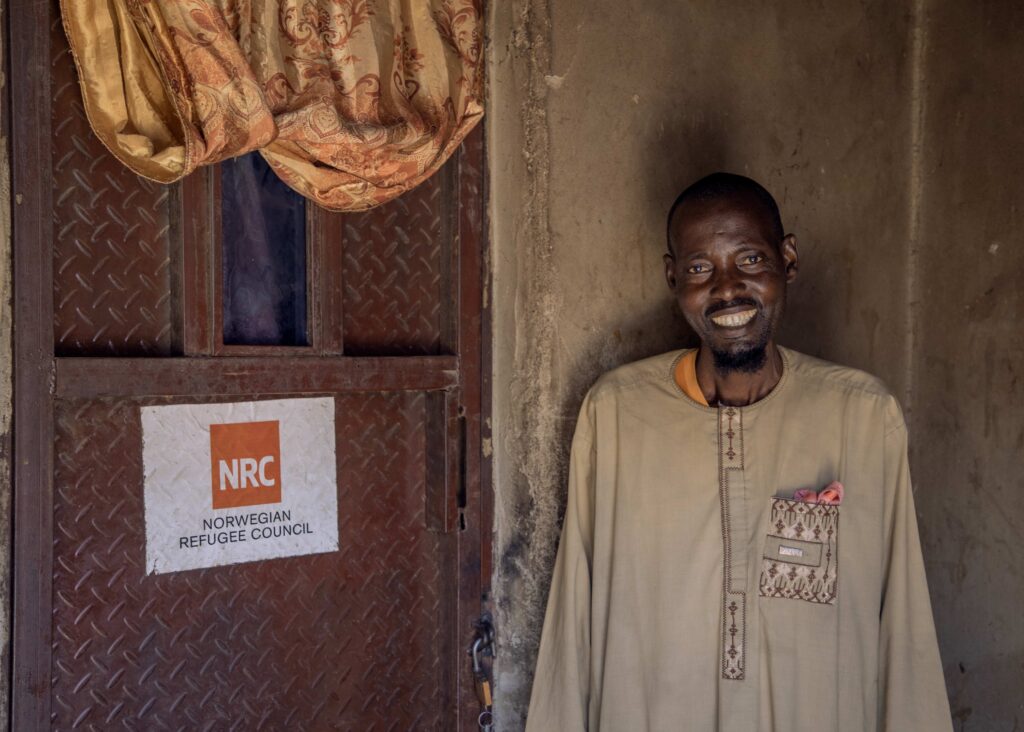
He tried getting help at a local free clinic, but his condition didn’t improve. Moving on to a private facility only added to the pressure, the cost of transport back and forth, laboratory tests, doctor fees, and drugs quickly piled up beyond what he could afford.

Through Individual Protection Assistance (IPA), Ibrahim was able to get the medical care he actually needed. The support covered his transport costs, required lab tests, doctor visits, and full prescriptions.

More than anything, taking care of those medical bills gave Ibrahim the room to focus on getting better without worrying about how his household would survive the process.

Reflecting on the support, Ibrahim mentioned that the help came right when he had run out of choices. With his health improving and the heavy burden off his shoulders, he is looking forward to getting back on his feet and taking care of his children again.
1Z2A0011
GlobalStories

Babagana’s story of recovery

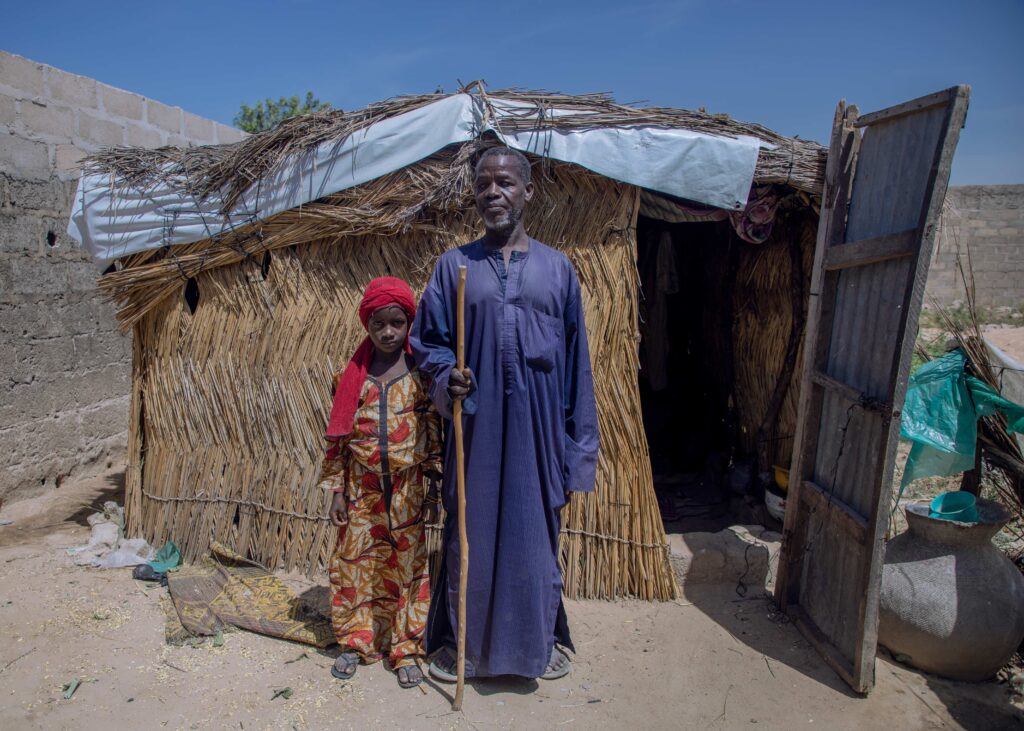
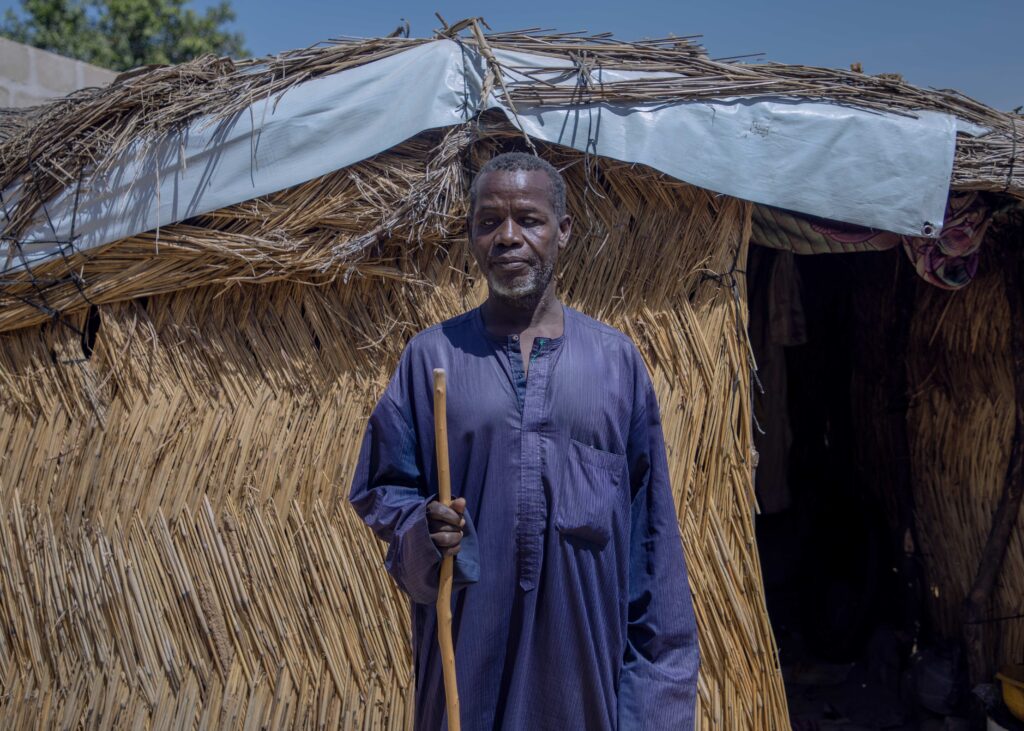
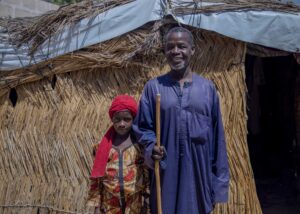
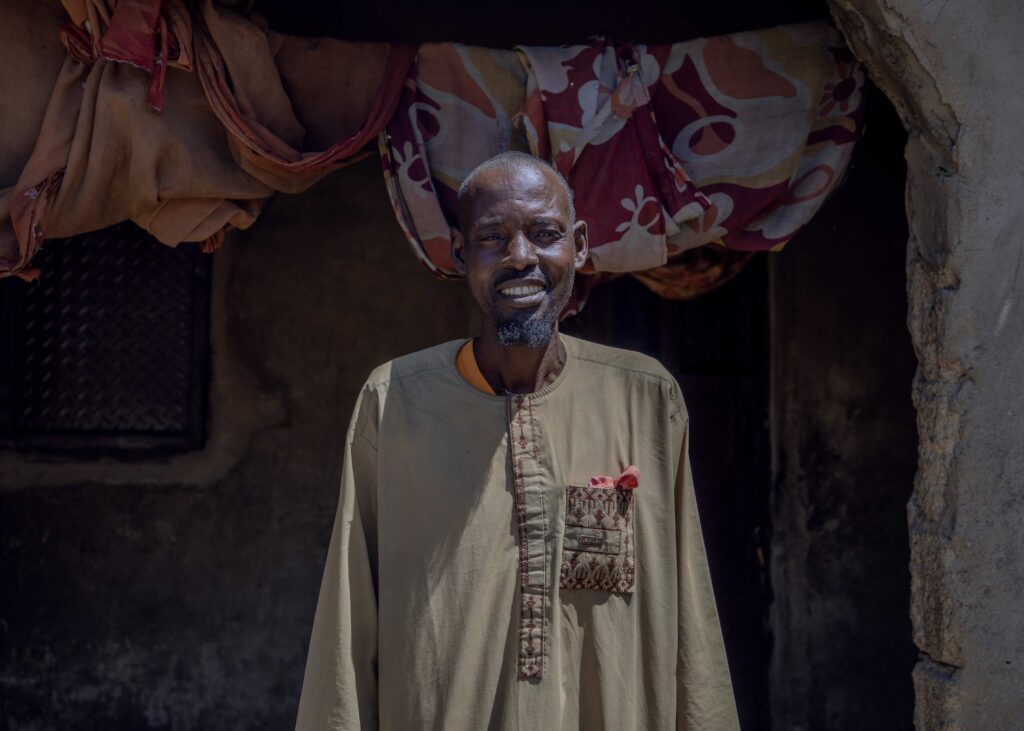
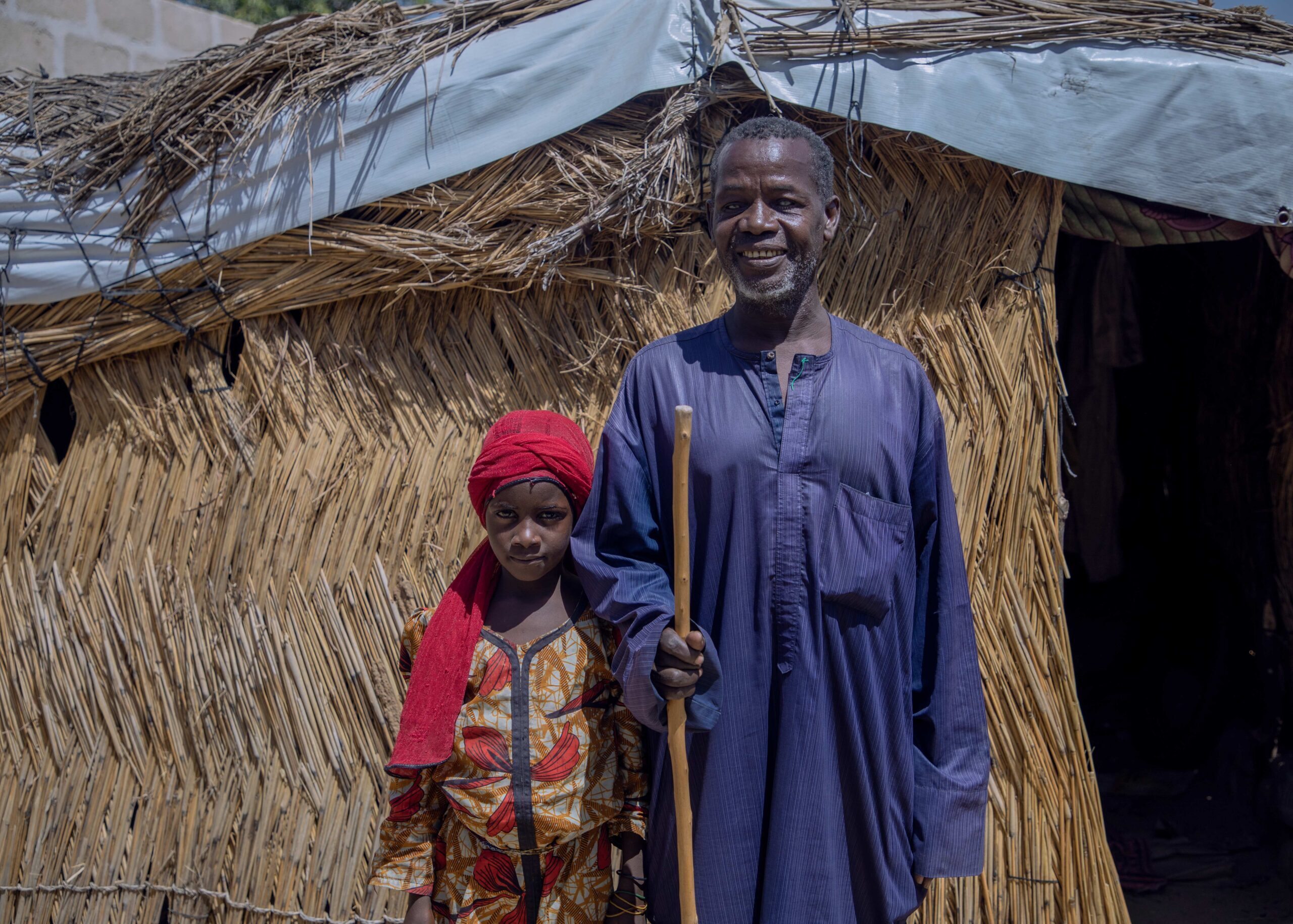
 Babagana Aribe stands with his daugher outside the thatched shelter he rebuilt using part of the cash assistance. Photo: Vashawa Innocent Paul/FRAD

When an attack destroyed his village in Mafa, a 55-year-old father lost far more than his home. He lost his wife, his livelihood, and the sense of security he had built over a lifetime.

Forced to flee with his five young daughters, he sought refuge in a nearby host community. But as a visually impaired man in an unfamiliar place, surviving day-to-day quickly became an overwhelming struggle.

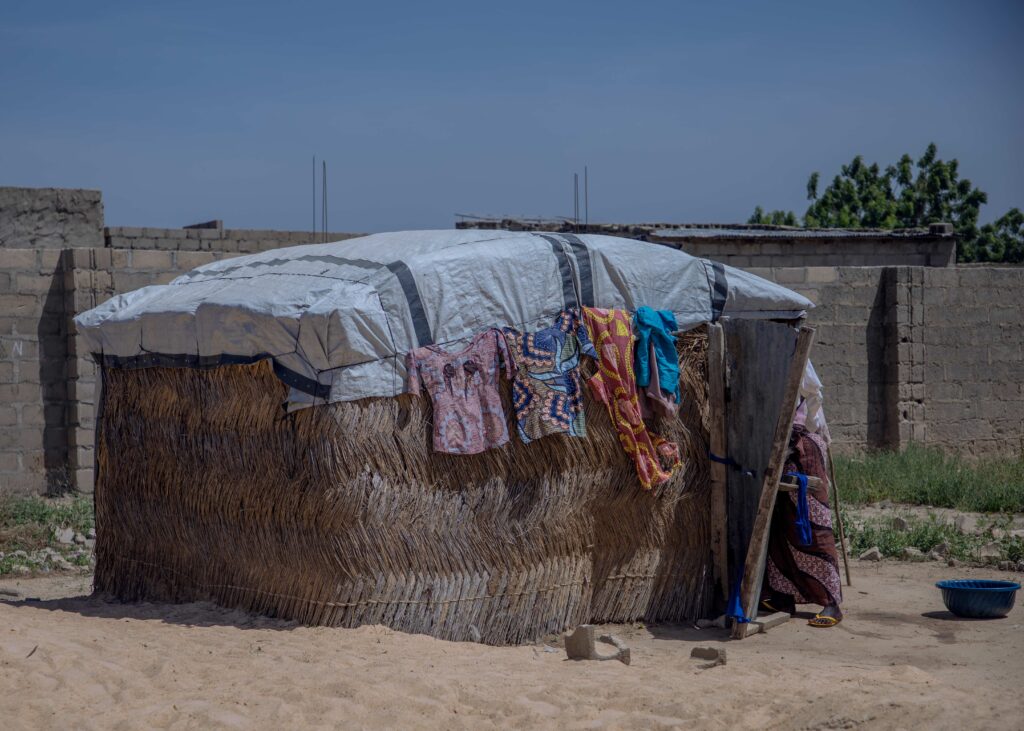
Without an income or basic household items, the family was squeezed into a makeshift thatch shelter. It offered almost no protection against heavy rain or scorching heat. Extreme poverty set in, and with no formal support, the father had no choice but to rely on his young daughters to guide him through the local streets to beg for food.

Instead of spending their days learning or playing, his daughters spent them navigating public spaces to keep the family fed. The arrangement exposed the family to harsh weather, public judgment, and degrading treatment from passersby, taking a heavy emotional toll on both the father and his children.
A turning point for the family

Recognizing the extreme risks the family faced, team members conducted a protection assessment to understand their immediate needs. The situation called for urgent intervention not just to keep a roof over their heads, but to safeguard the children and help the father manage severe emotional distress.
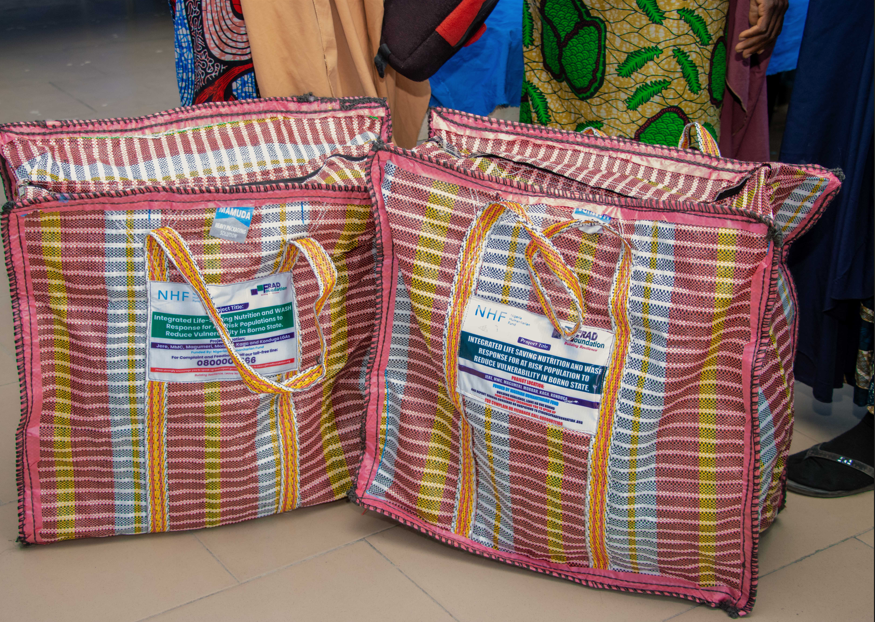
Working in partnership with the Norwegian Refugee Council (NRC), Individual Protection Assistance (IPA) was delivered to address the family’s most critical needs. The support provided essential household items and financial aid to secure a safer, weather-proof home.

Alongside physical aid, the father received Psychological First Aid and ongoing Psychosocial Support. Dealing with the grief of losing his wife while navigating displacement and visual impairment had left him isolated. Having regular counseling sessions gave him a safe space to process his trauma and rebuild his emotional resilience.

The support didn't just give us shelter and basic items but gave my daughters back their childhood and restored our dignity when we felt completely forgotten.

Looking toward the future

Today, the family’s daily life looks very different.

With a secure place to live and basic necessities covered, the immediate pressure on the daughters to beg for food has eased significantly. Reclaiming their time allows the girls to focus on being children again and opens up possibilities for returning to school.

While the loss of his wife and the reality of displacement remain difficult challenges, the father now feels more grounded and better equipped to care for his household. The assistance provided more than temporary relief—it gave a father back his independence and offered his daughters a chance at a brighter future.

1Z2A0474
CoordinationStories

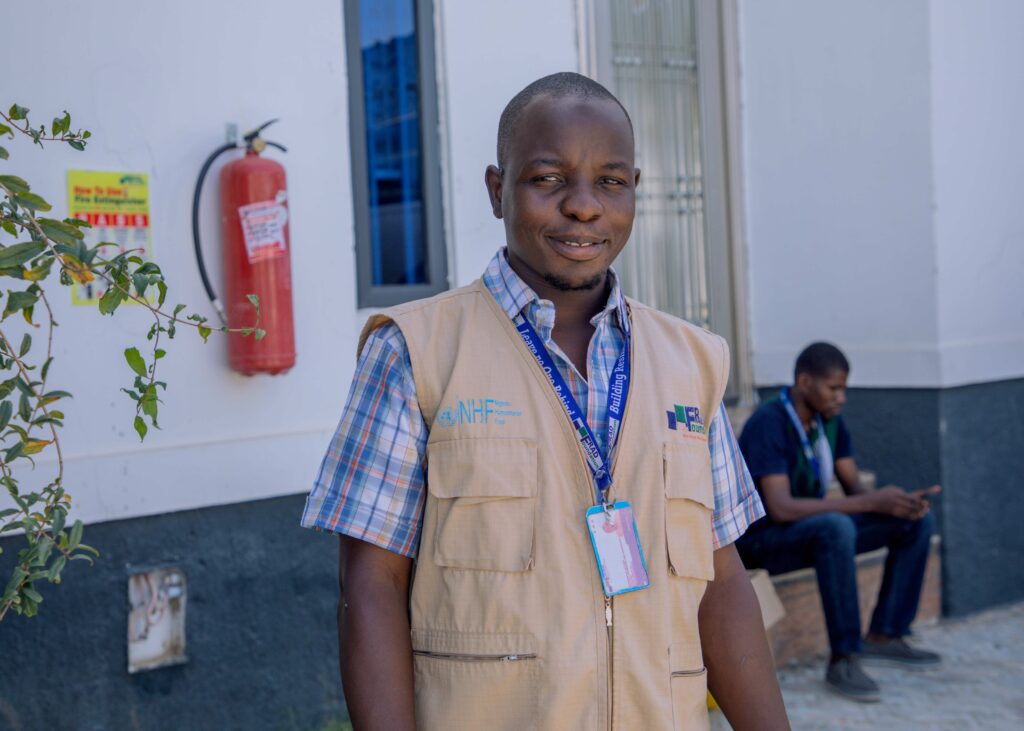
Behind the Dispatches: How Mohammed Helps Contain Cholera Outbreaks Before They Spread

19 OCT 2026 | GLOBAL

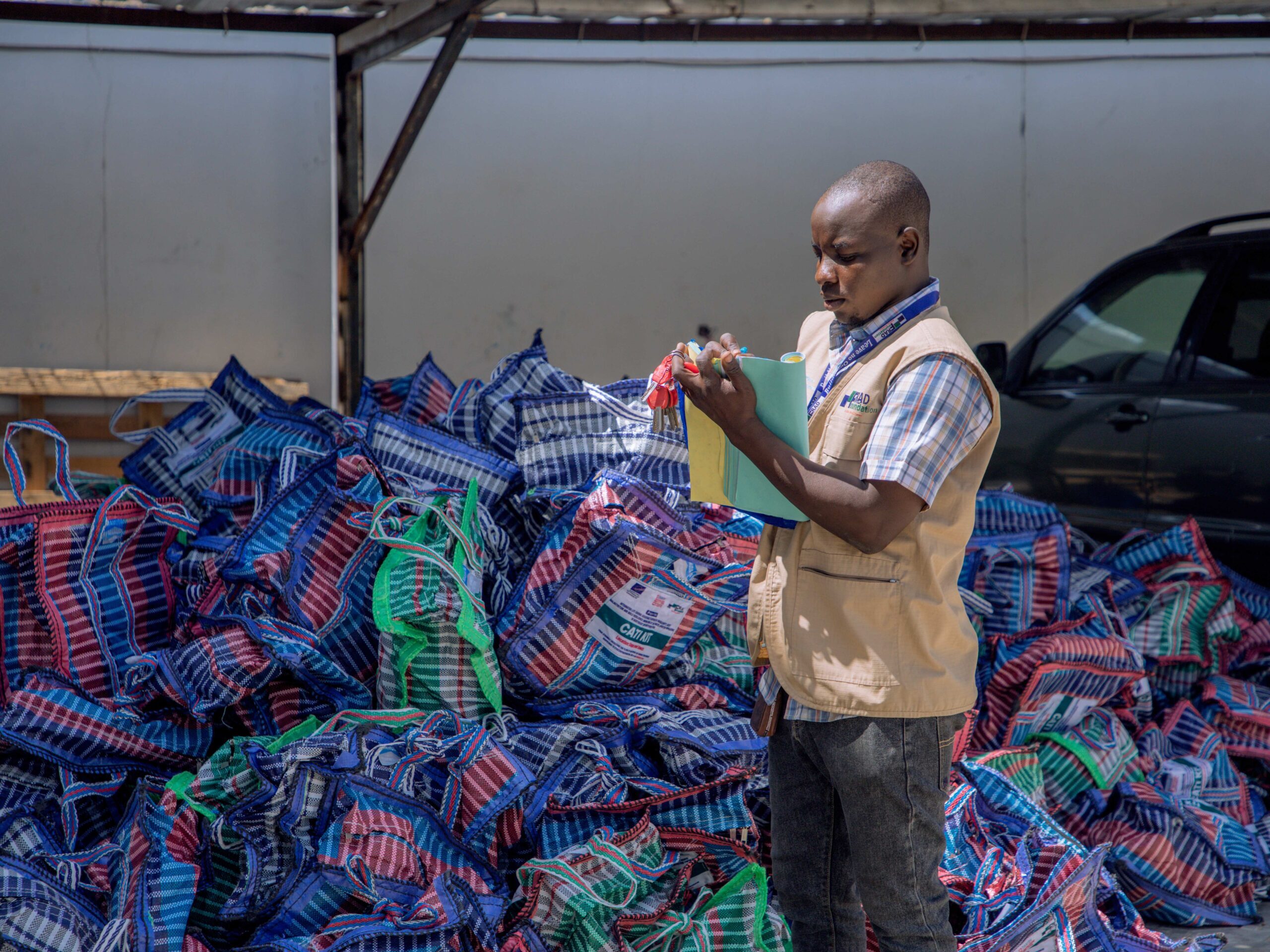
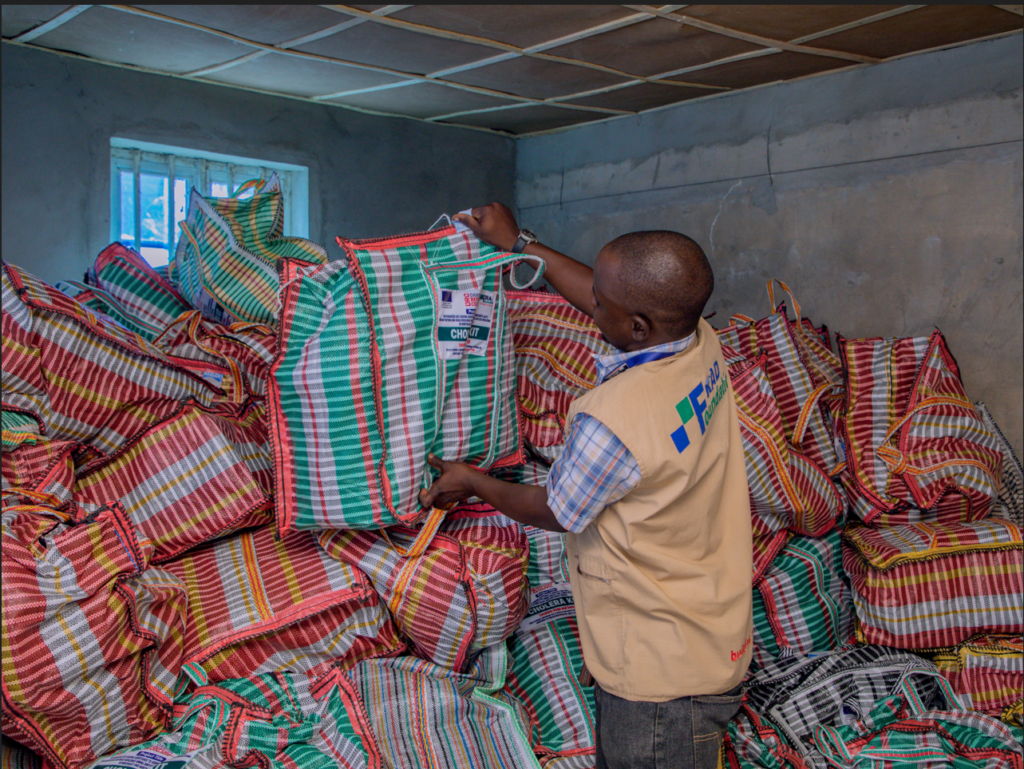
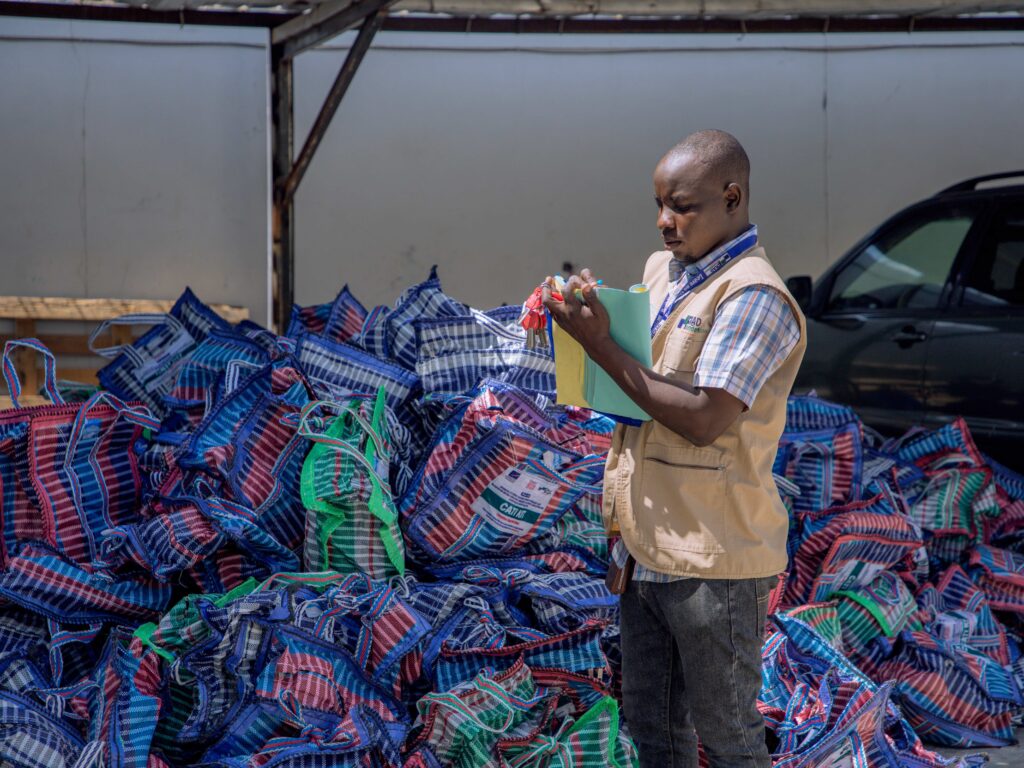
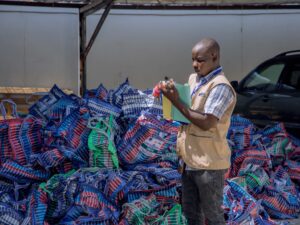
Inside the quiet, high-ceilinged warehouse, Mohammed Ali Biu works through rows of wooden pallets and stacked cardboard crates. As a Warehouse Assistant, his day revolves around stock sheets, expiry dates, and dispatch schedules. But when a cholera outbreak is reported, the atmosphere shifts fast.

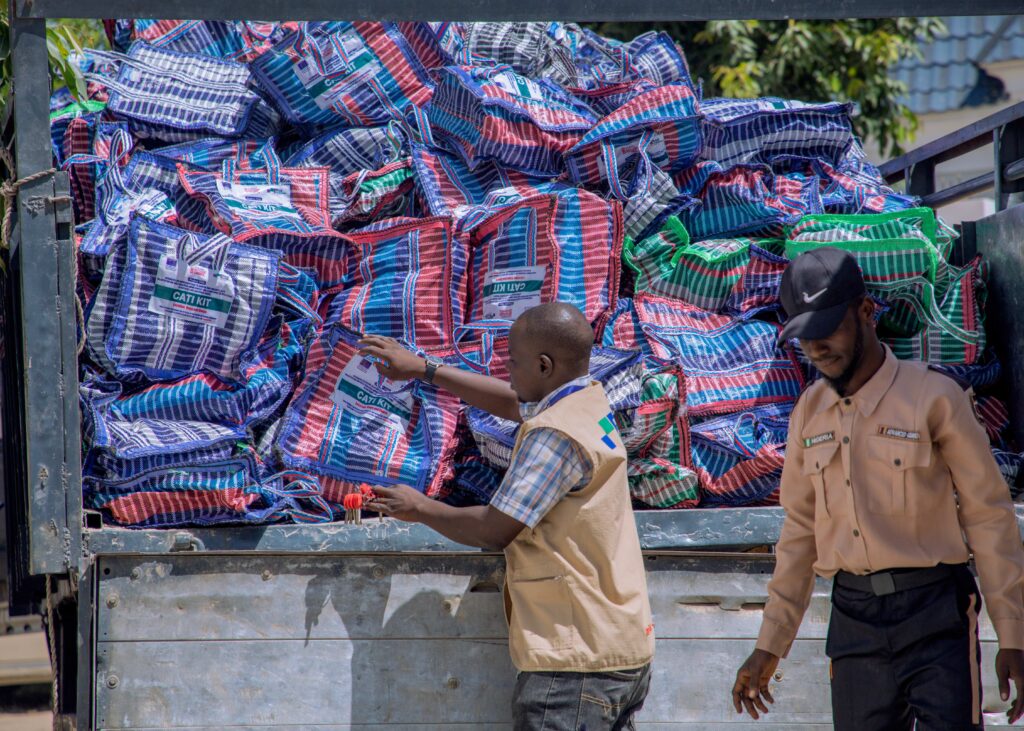
In those moments, Mohammed is responsible for prepping and loading Case-Area Targeted Intervention (CATI) kits supplies designed to create a quick ring of protection around households where cholera has been confirmed.

Each kit contains practical tools: water purification tablets, soap, buckets, oral rehydration salts, and disinfectant. If these kits arrive in time, health teams can treat affected households and disinfect surrounding homes before contamination spreads through an entire village.

For Mohammed, getting the details right inside the warehouse is directly linked to what happens out on the ground.

Behind every crate loaded onto a truck is a child who needs clean water, a family trying to stay safe from infection, and a field worker waiting for supplies to do their job.

When a call comes in for an emergency dispatch, there’s no room for delays or missing items,” Mohammed says. “You realize that a box sitting on a pallet here needs to be in a family’s hands miles away as quickly as possible.”

Getting trucks loaded and moving into remote, off-grid areas comes with plenty of headaches damaged roads, unpredictable weather, and tight supply timelines. But as the truck doors latch and the drivers start their engines, Mohammed knows the hard work of inventory and staging is about to pay off.

Keeping a warehouse running smoothly isn’t just about moving heavy boxes; it’s about keeping promises to the communities relying on aid. Accurate counts, proper storage, and fast loading ensure that resources aren’t wasted and that emergency responses actually work.

Field teams returning from emergency distributions often bring back simple messages from community leaders: “The kits got here right when we needed them most. We were able to stop the sickness from spreading to our neighbors.”

For Mohammed, those updates put everything into context. Behind the consignment notes, freight logs, and stack of pallets are real people whose health and safety depend on a reliable supply line.

Every child deserves clean water and a fair chance to grow up healthy. And for Mohammed, making sure those supplies leave the warehouse floor on time is his way of helping make that happen.

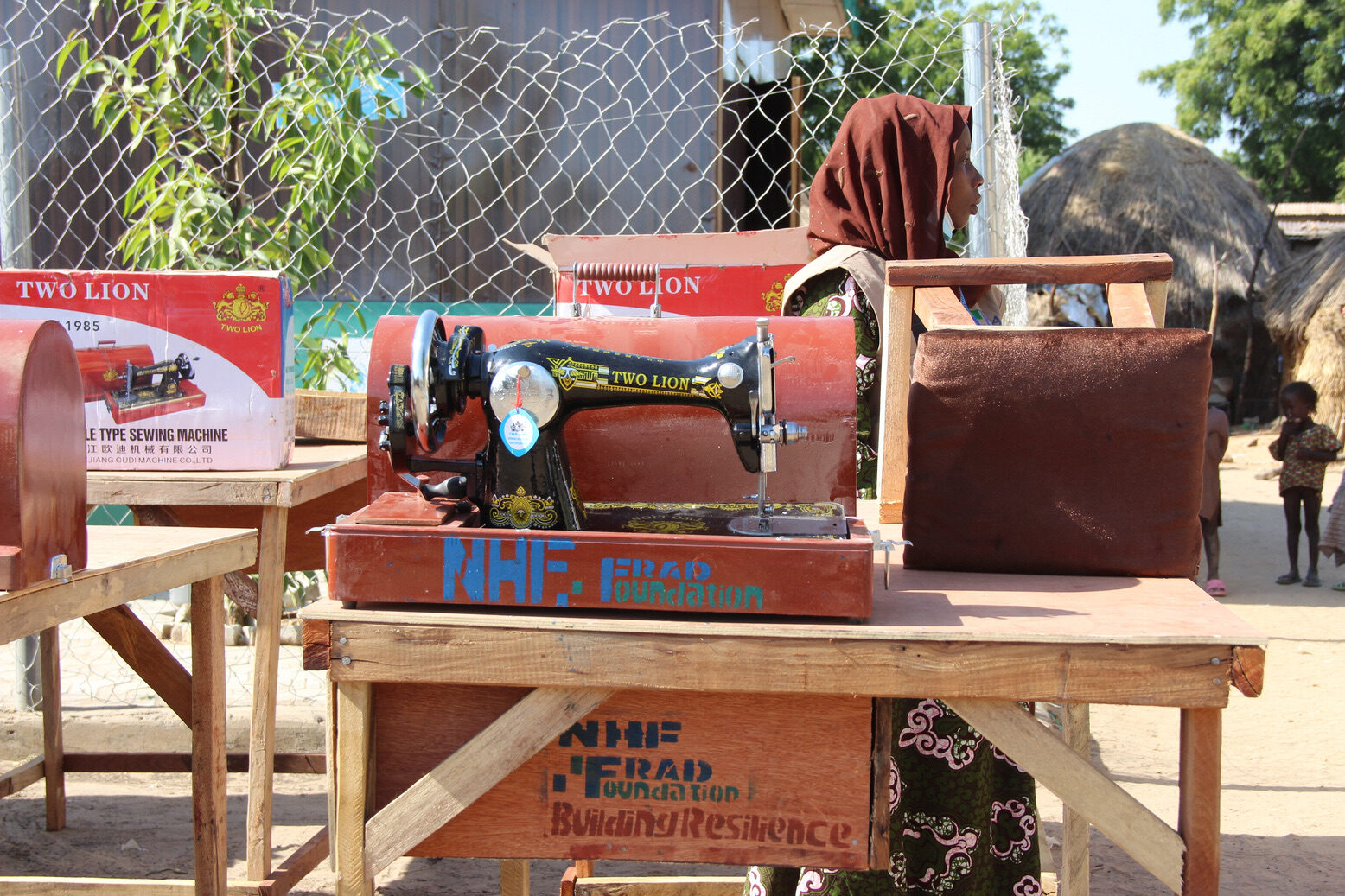
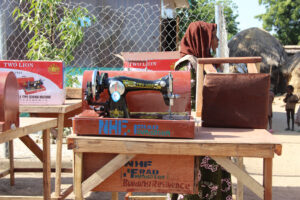
New sewing machine on a table stencilled with NHF and FRAD branding
StoriesUncategorized

How Cash Assistance Transformed a Mother’s Crisis into a Sustainable Enterprise in Borno

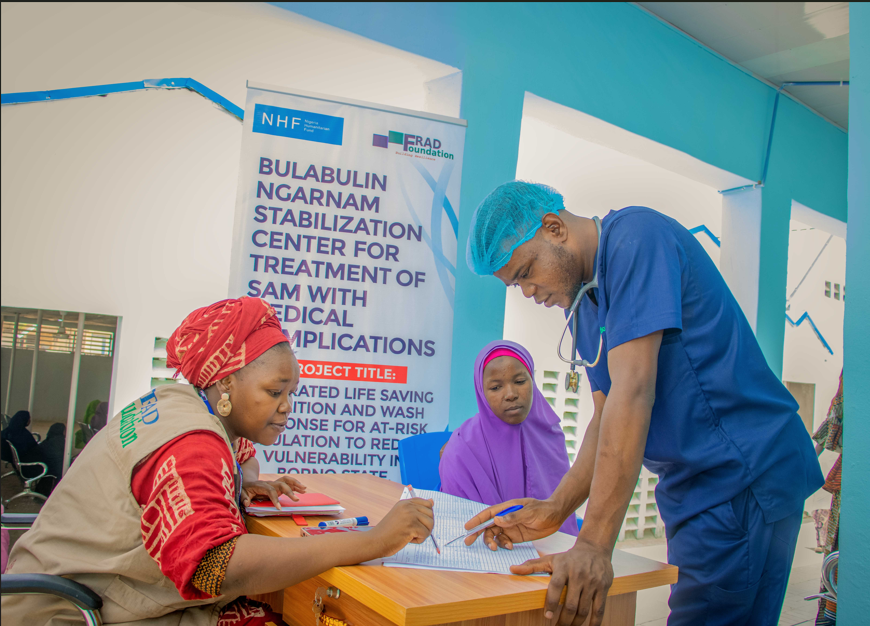
When Fatima Goni Bukar arrived at our Stabilization Centre (SC) in Borno State, her focus was on just one thing: keeping her baby alive.

After six tense days of round-the-clock clinical care, specialized therapeutic feeding, and medical supervision by our dedicated health staff, the breakthrough came. Her baby stabilized, regained strength, and was officially discharged healthy and thriving.

In traditional emergency response, that is usually where the story ends a child saved, a case closed. But at FRAD Foundation, we know that a clinical discharge is only half the battle. When a mother returns home to the same economic hardships that fueled malnutrition in the first place, the threat of relapse is always lurking.

That is why our intervention doesn’t end at the hospital gate.

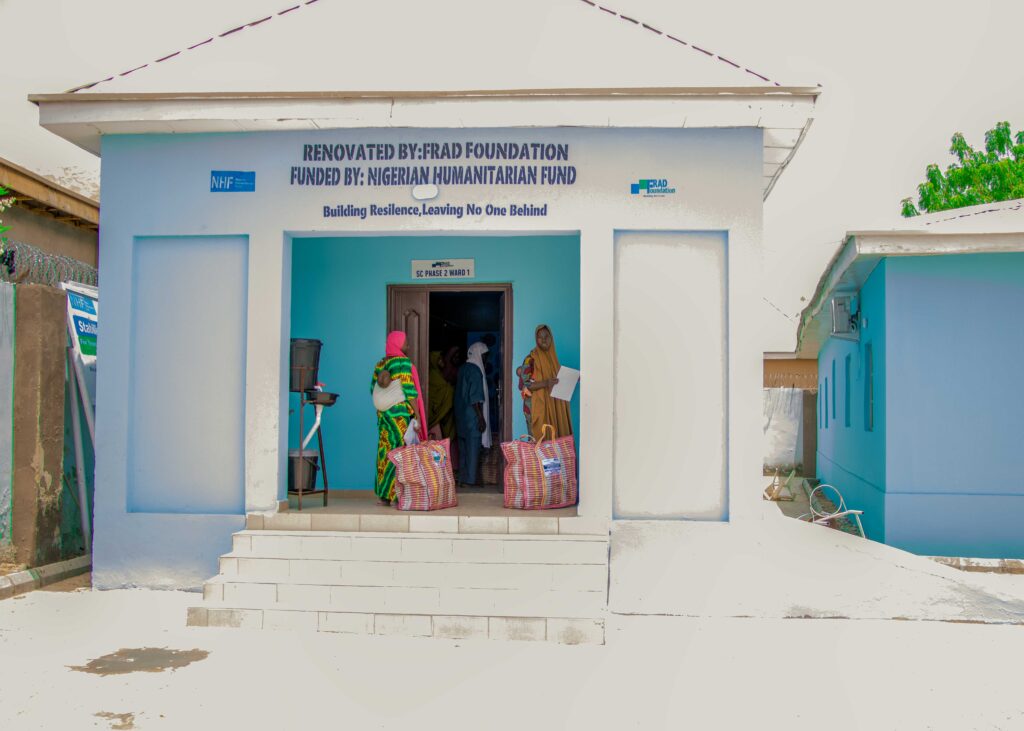
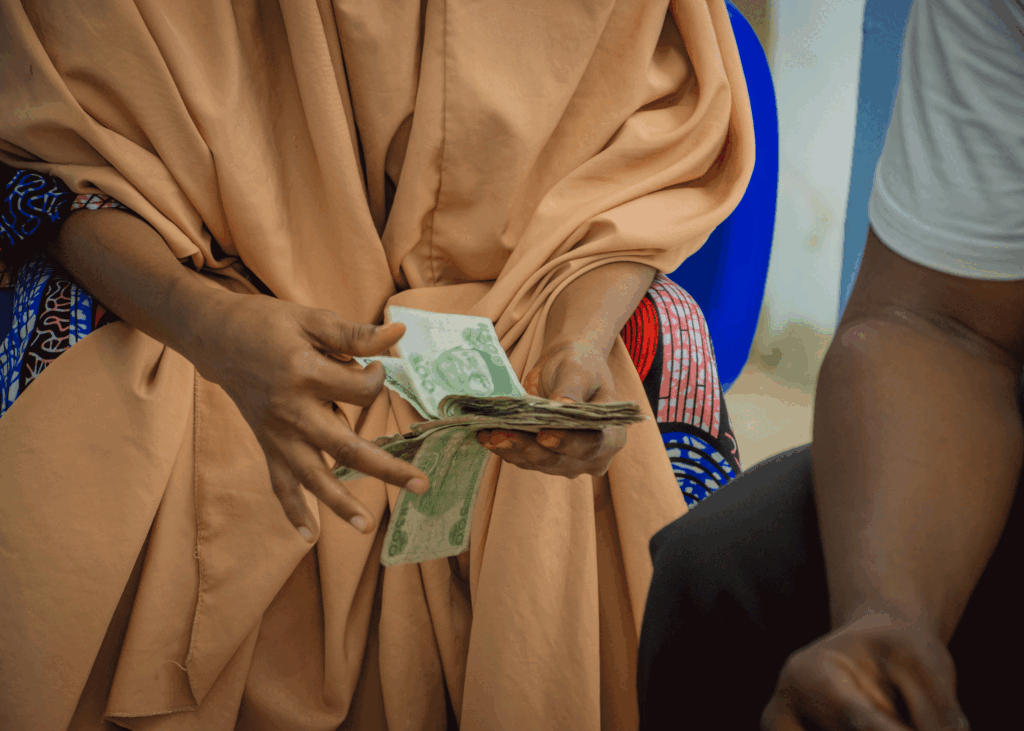
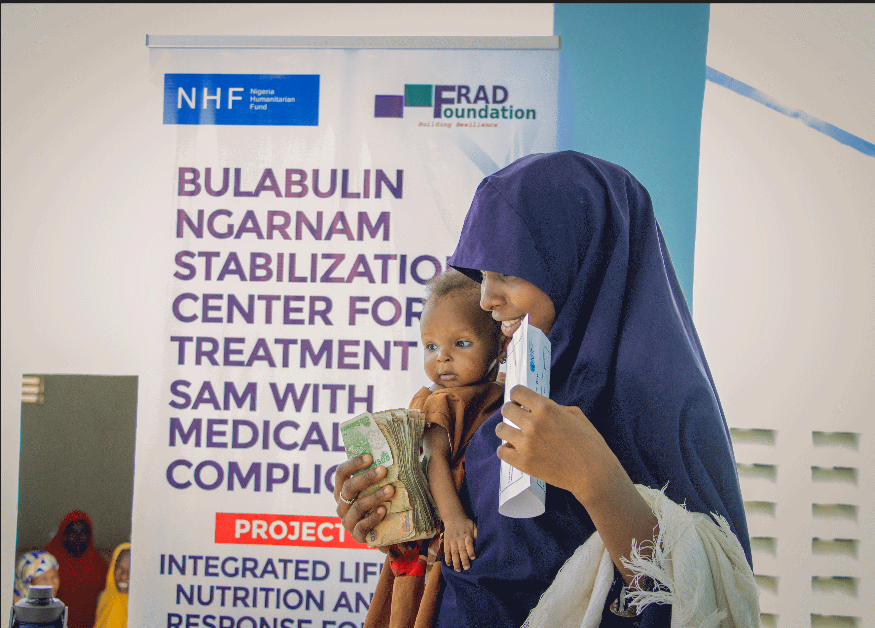
To protect vulnerable children post-discharge, FRAD Foundation integrates Cash and Voucher Assistance (CVA) into our nutrition programming. Caregivers leaving the SC receive direct cash support designed to cover immediate household needs, dignity costs, and nutritious food ensuring the child’s recovery is sustained at home.

When Fatima received her cash assistance, she saw more than relief; she saw an opportunity.

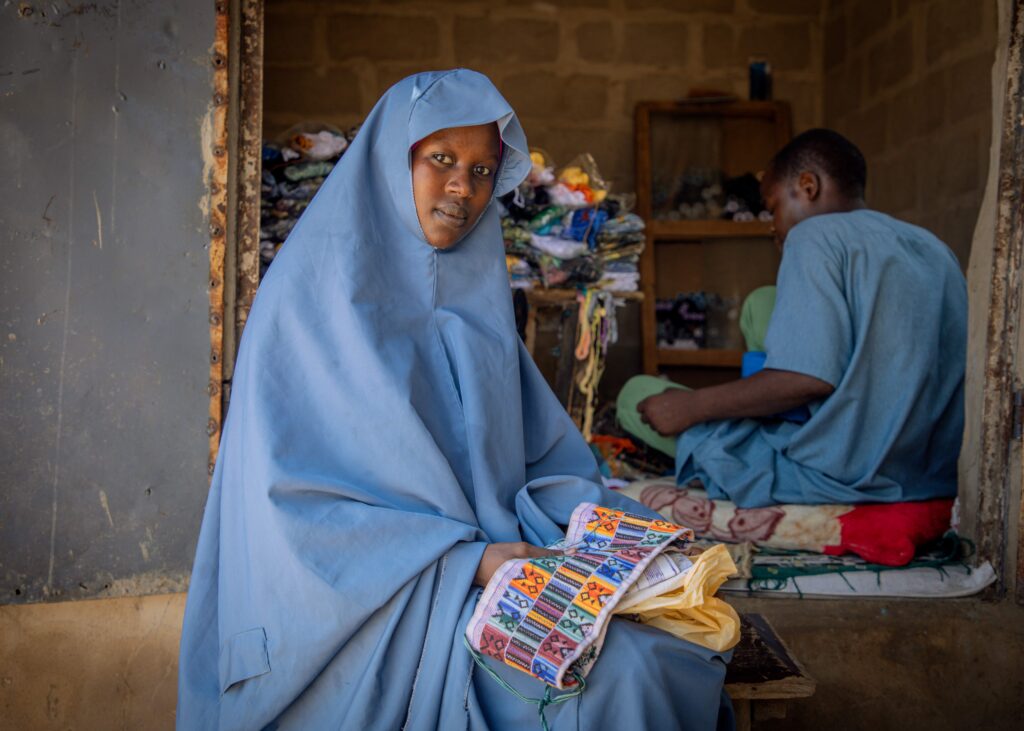
Instead of using the money solely for immediate daily survival, Fatima strategically invested a portion of the funds into raw materials to start her own local cap-making business. Cap-weaving; a cherished, high-demand cultural craft in North-East Nigeria offered a steady path to sustainable earnings.

Today, Fatima isn’t just a caregiver who survived a crisis. She is an entrepreneur who generates her own income, purchases nutritious meals for her family, and shields her children from the threat of recurring malnutrition.

Through the support of the Nigeria Humanitarian Fund (NHF) and our dedicated partners, FRAD Foundation continues to combine lifesaving Nutrition, WASH, and CVA interventions across conflict-affected communities in Borno. Stories like Fatima’s prove that when you give a mother both health support and economic dignity, you don’t just save a child but build a resilient family.

Follow our journey as we empower more caregivers across North-East Nigeria. Share this story to spread awareness about the power of integrated Cash and Voucher Assistance!

Photo placeholder
StoriesUncategorized

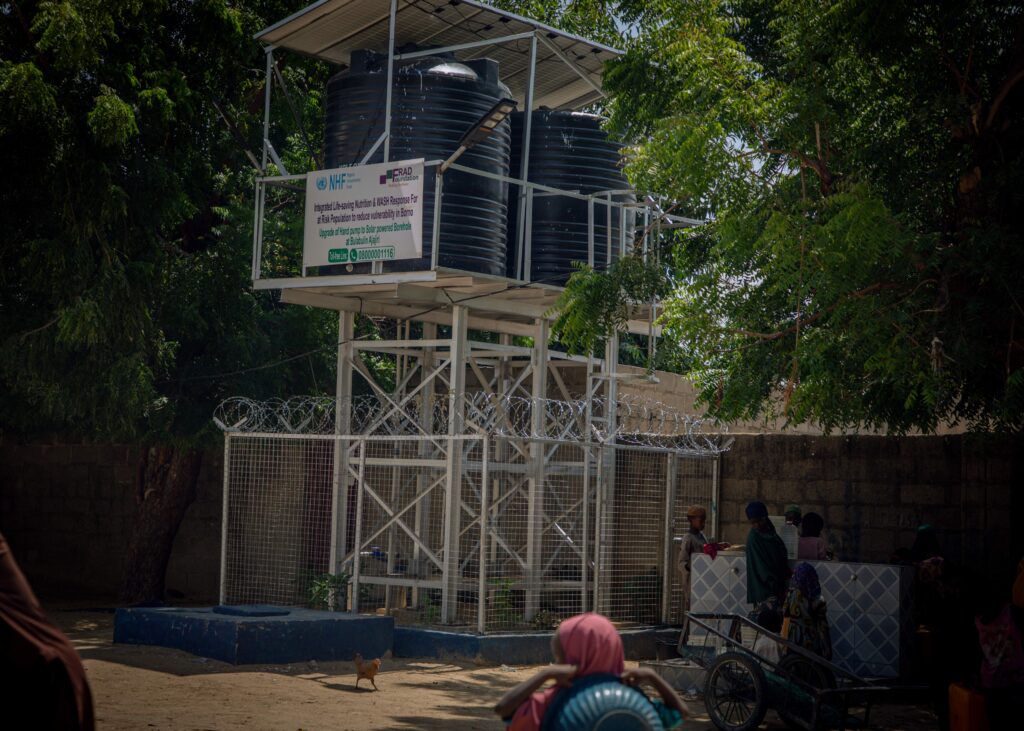
From Hours of Waiting to Seconds at the Tap: How Clean Water Changed Maryam’s Future

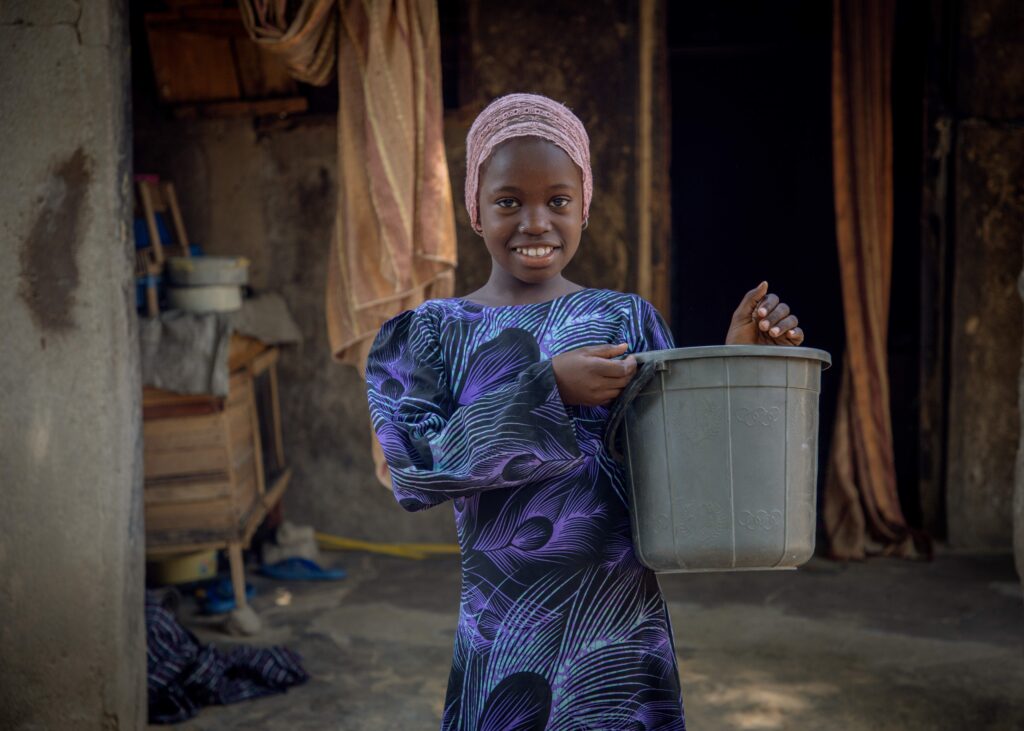
For a long time, Maryam’s mornings were shaped by a heavy question: Will I make it to school on time today?

Even though Maryam lives just a short walk from her community’s water point, getting water for her family was never easy. The old manual hand pump was slow, unreliable, and frequently broke down. Every morning before sunrise, a long line of women and children would gather, waiting hours just to fill a single bucket.

For a young girl with big dreams for her education, those lost hours meant rushing, stress, and often walking into class late and exhausted.

Living close to a water source doesn’t mean much if you spend your morning standing in a line.

Building a Lasting Solution

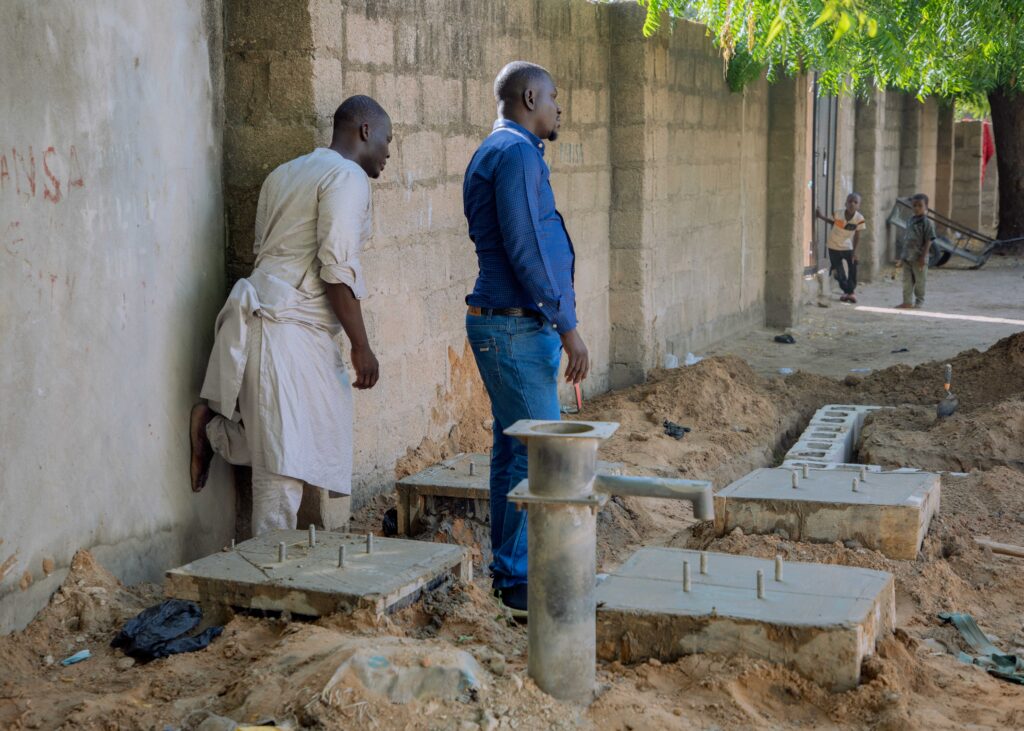
Realizing that simple repairs were no longer enough, our team got to work with support from the Nigerian Humanitarian Fund #NHF. Upgrading an old manual pump into a modern solar borehole takes real engineering effort from mounting the solar panels to laying down new pipes and installing reliable tap stands. Every bolt tightened during construction was a step toward giving this community and girls like Maryam their time back.

A Turn of the Tap

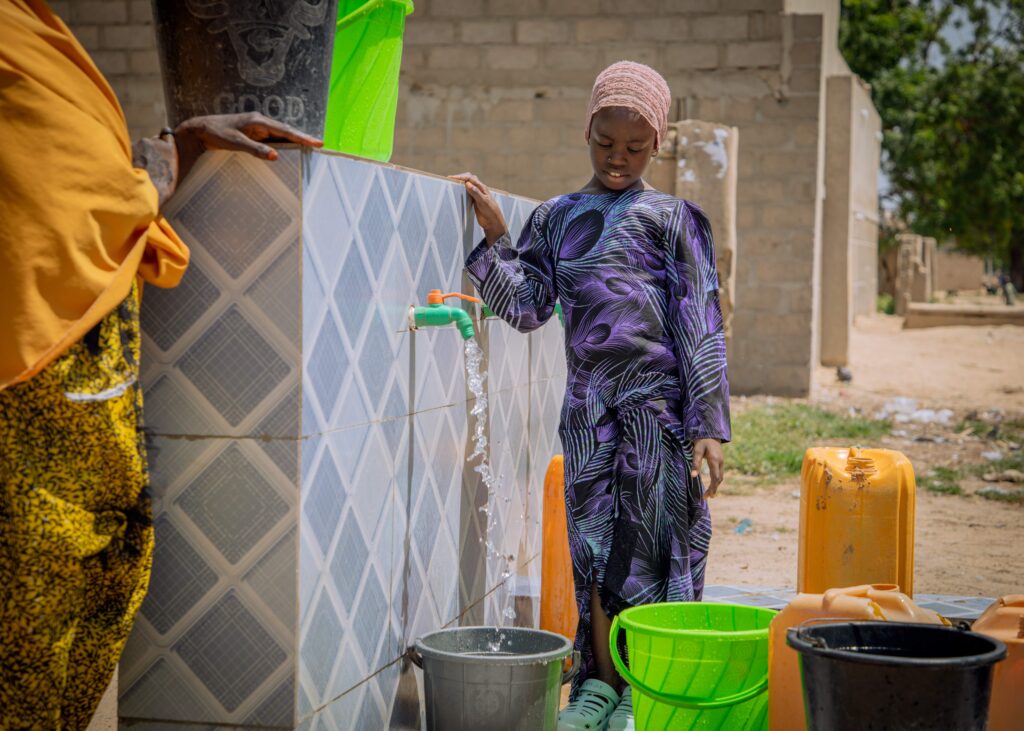
Everything changed once the solar system went live. Now, safe drinking water flows continuously right outside Maryam’s doorstep. Instead of taking turns pushing a heavy lever and waiting for a trickling stream, getting water is as simple as turning a tap.

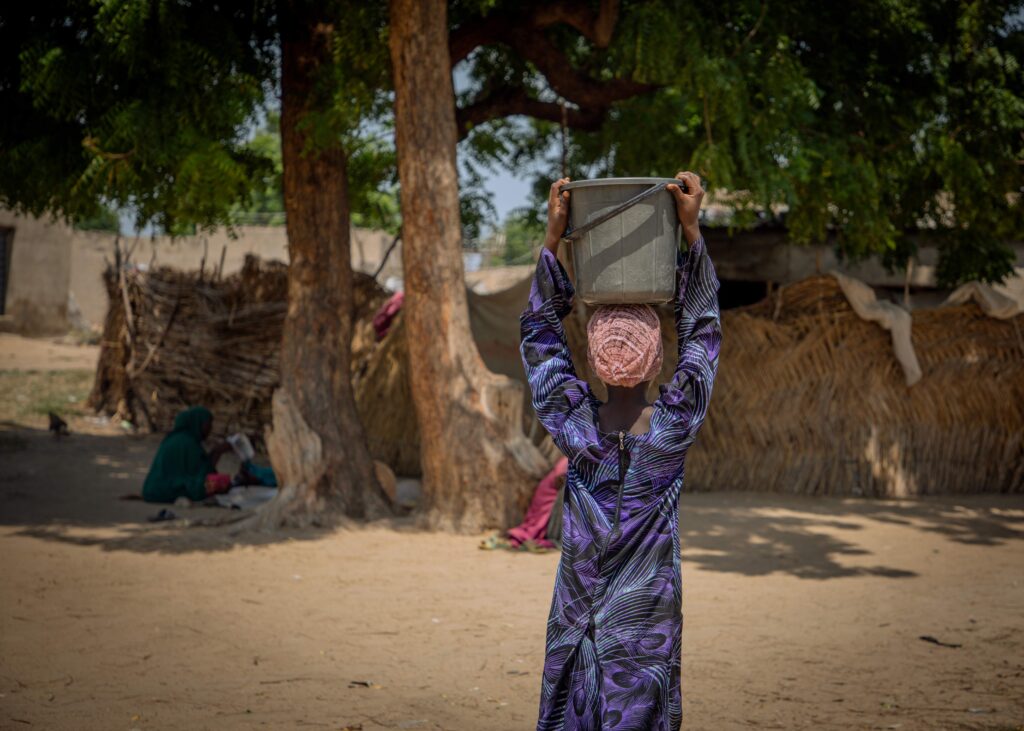
What used to take hours now takes just a few seconds. Maryam walks out of her compound with an empty bucket, fills it effortlessly, and walks right back home all in a matter of minutes.

Saving Time, Protecting Education.

The real impact of clean water isn’t just what comes out of the pipe. It’s what Maryam gets to do with the time she saved.

Because she no longer wastes her mornings queuing at a pump, her daily routine looks completely different:

  • She gets her family’s water supply without stress.

  • She fills her clean water bottle to stay hydrated during class.

  • She puts on her school uniform and walks into school on time, ready to learn.

When water is accessible and fast, girls don’t have to choose between helping their families at home and getting an education.

Water Near Home, Hope for the Future

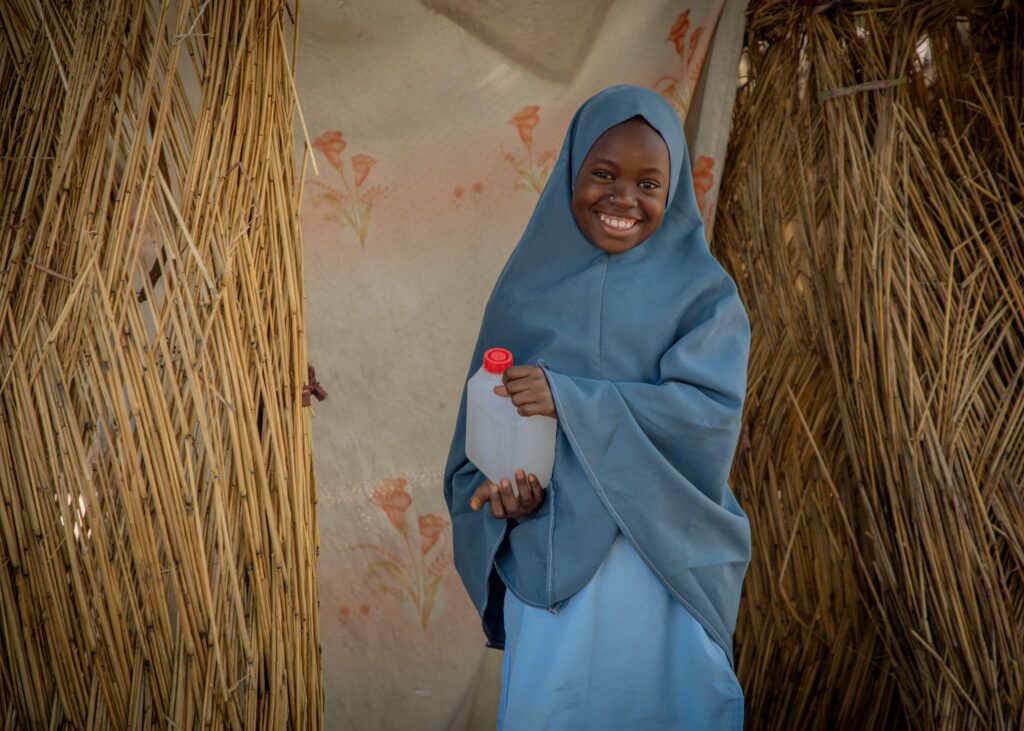
Today, Maryam holds her water bottle proud, healthy, and focused on her studies. Upgrading to a solar borehole brought safe water directly to her neighborhood and in doing so, it gave Maryam her time, her energy, and her future back.

This critical infrastructure upgrade was made possible through the support of the Nigeria Humanitarian Fund (NHF), ensuring that communities across Borno State have sustainable, dignified access to clean water and health

1Z2A0002
StoriesUncategorized

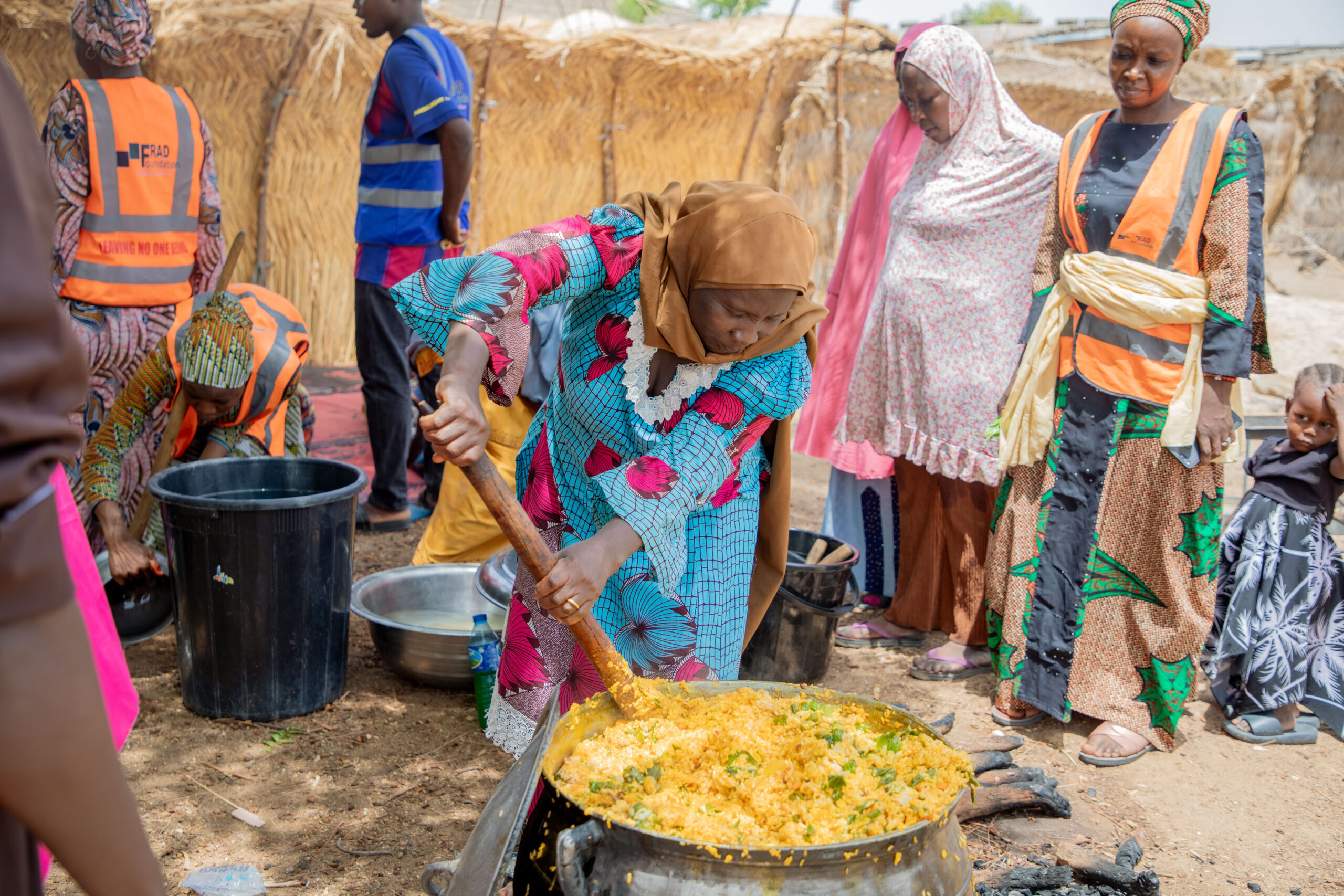
Resilient Kitchens: Turning Local Foods into Lifelines

Empowering Caregivers to Fight Malnutrition in Konduga, MMC, and Magumeri.

With food insecurity making things incredibly tough for so many families right now, knowing how to stretch a meal isn’t just a useful skill but everything.

As vulnerable households navigate these challenging times, finding sustainable, accessible ways to protect children’s health is more critical than ever. Recognizing this urgent need, the Future Resilience and Development Foundation (FRAD) recently took direct action to support families where it matters most: their kitchens.

Bringing Nutrition to the Doorstep: What Happened?

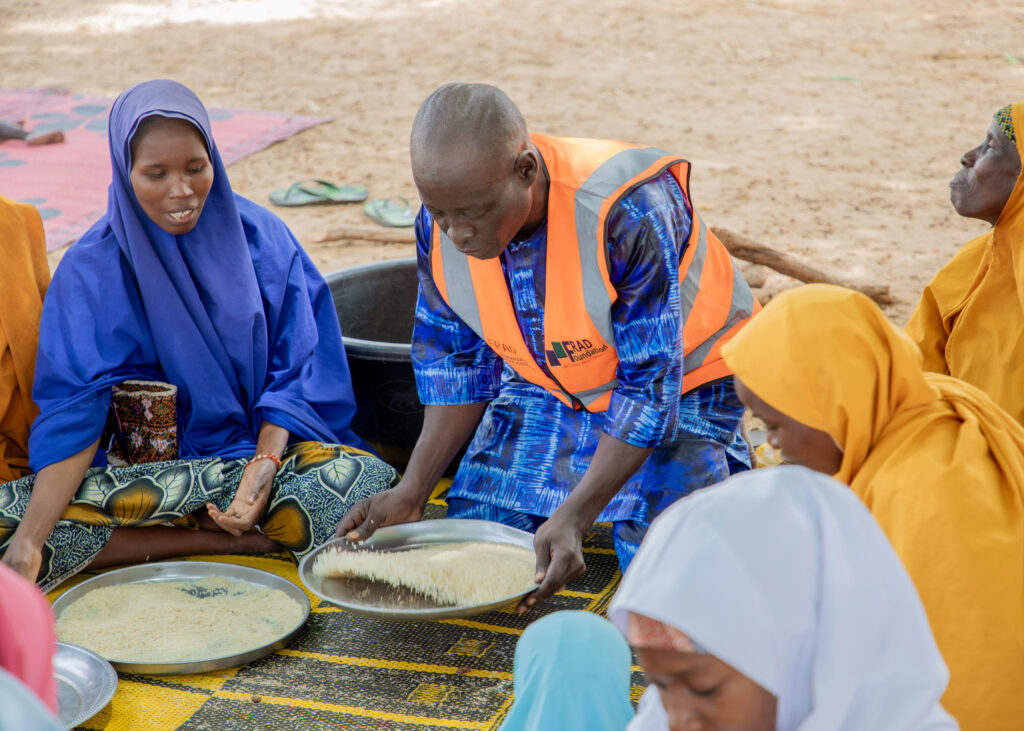
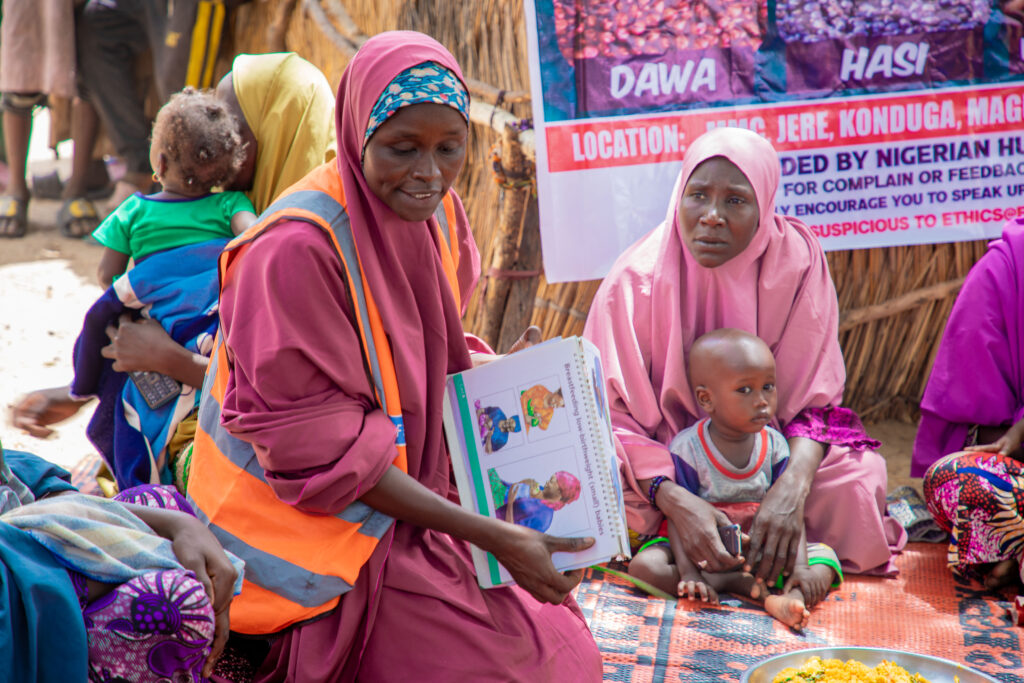
FRAD hosted interactive, hands-on cooking demonstrations across its implementing communities in the Konduga, MMC, and Magumeri Local Government Areas (LGAs).

The goal was simple yet powerful: show caregivers how to use affordable, locally available ingredients to create nutrient-dense meals that shield their children from the devastating impacts of malnutrition.

Beyond the Recipe: Holistic Care

These sessions weren’t just about cooking. They served as a vital platform to engage directly with caregivers on the fundamentals of long-term family well-being. The demonstrations emphasized:

  • Healthy Feeding Practices: Maximize the nutritional value of every meal.

  • Hygiene & Sanitation: Prevent illnesses that can worsen malnutrition.

  • Balanced Diets: Understand how to combine local ingredients to ensure children get the vitamins and minerals they need to thrive.

The Reality Check: Malnutrition is both preventable and treatable. However, as families face increasing food insecurity, more support is urgently needed to ensure vulnerable children receive life-saving care and nutrition assistance during the difficult months ahead.

Why Local Solutions Matter

When resources are scarce, relying on expensive, imported, or hard-to-find nutritional supplements isn’t a sustainable strategy for everyday families. By focusing on locally available foods, FRAD is empowering caregivers with practical knowledge they can actually use tomorrow morning.

It turns out that building resilience doesn’t always require complex solutions; sometimes, it starts with a pot, a fire, and the right combination of local crops.

Our Ongoing Commitment

Through sustained community engagement and targeted, nutrition-focused interventions, the Future Resilience and Development Foundation remains deeply committed to empowering households. We believe in providing sustainable solutions that don’t just offer temporary relief, but permanently improve nutrition outcomes and save lives.

We cannot do this alone. The road ahead is challenging, but together, we can ensure that no child is left behind to face hunger in the dark.

Building Resilience, Leaving No One Behind

Babagana’s story of recovery

 Babagana Aribe stands with his daugher outside the thatched shelter he rebuilt using part of the cash assistance. Photo: Vashawa Innocent Paul/FRAD When an attack destroyed

Read More »
Screenshot 2026-05-22 114003
FOOD AND WATERStories

From Clinical Care to Household Resilience: Our Post-Discharge Support.

At our Stabilisation Center, medical treatment is only the first step in a child’s recovery from severe acute malnutrition. While our clinical teams work around the clock to manage critical medical complications and get children out of immediate danger, we know that the true foundation for long-term health is built at home. Lasting recovery requires a holistic approach that extends beyond the hospital walls and directly into the community.

Empowering Caregivers Through Practical Knowledge

Before families transition out of our care, we partner closely with caregivers through practical, interactive sessions focused on nutrition, infant and young child feeding practices, and health hygiene. This ensures that the recovery started in our facility is sustained by the families themselves, using local resources.

Restoring Comfort with Dignity Kits

To fully support caregivers as they return home, we provide them with dignity kits upon discharge. These kits ensure that essential personal hygiene and health needs are met with privacy, comfort, and respect, easing the transition back into the community.

Promoting Autonomy Through Cash and Voucher Assistance (CVA)

Alongside hygiene support, families receive Cash and Voucher Assistance (CVA). This financial support respects the autonomy of families, providing them with the direct purchasing power and flexibility to make their own choices. By equipping caregivers with the financial agency to buy diverse, nutrient-dense foods, we support them as they lead the way toward their household’s long-term well-being and food security.

Your privacy

We use essential cookies to run this website. With your permission we also load content from Facebook, TikTok and Google Maps, which may set their own cookies. Read our Privacy & Cookie Policy.

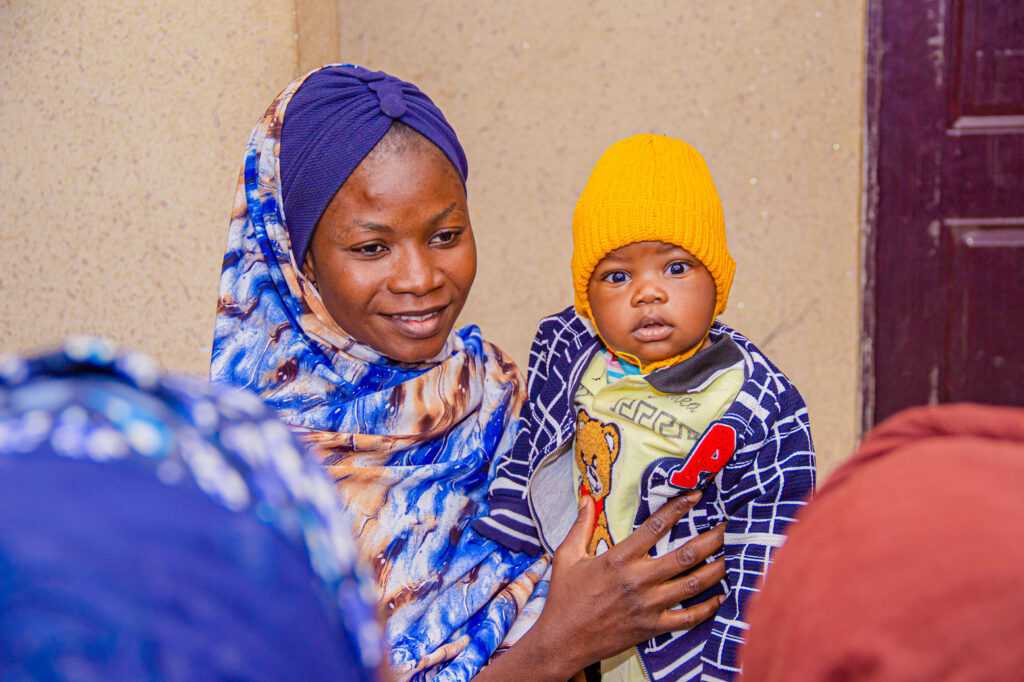
Smiling mother holding her baby in a yellow knitted hat
Newsletter

Stories of resilience, straight to your inbox

Once a month we share field updates from Borno, Yobe, Adamawa and Zamfara, new reports, and simple ways to help. No spam, ever.